An xAI-related subsidiary has reportedly approached homeowners in Southaven, Mississippi’s Colonial Hills neighborhood with offers to purchase their properties, conditioned on releasing potential legal claims tied to a nearby power plant. The offer letter, reproduced by FOX13 Memphis, requires sellers to release “all claims related to the lawsuit,” according to that report.
County records cited by The Verge indicate that MZX Tech, the xAI subsidiary, purchased homes in the neighborhood during October 2026, though available records conflict on the exact number. One report identifies three purchases; The Verge cites five, with transactions occurring between Oct. 9 and Oct. 28.
The reported scope extends well beyond those early purchases. As many as 418 homes could be involved, according to The Verge, and a realtor allegedly told one resident that 18 homeowners had already agreed to sell, though xAI has not confirmed those figures.
The buyout offer arrives as three Colonial Hills residents, including Jason Haley, pursue a June lawsuit against xAI and MZX Tech alleging “near-constant” noise and vibrations from gas turbines powering xAI’s nearby AI data centers. A separate federal case, brought by the NAACP and represented by Earthjustice, concerns those same turbines and is currently before a federal court.
The Noise Complaint
Residents say the turbines have disrupted sleep and daily life, while city monitoring has not found a formal ordinance violation.
According to CBS News, Haley has described conditions that disrupt his sleep and force him to either leave home or play music to mask the sound. He has also posted videos of himself measuring noise levels near the facility, documenting his experience of the alleged nuisance.
Southaven Mayor Darren Musselwhite has said city monitoring found no violation of the local 70-decibel noise ordinance. Opponents counter that persistent lower-level noise, even below that threshold, can still affect sleep and quality of life, according to resident statements reported by The Verge.
Buying Out the Neighborhood
The mayor has described the purchases as serving two purposes, but residents and observers have raised questions about what the liability-release condition signals.
Two explanations have been offered by Mayor Musselwhite for the home purchases: housing for xAI employees and a goodwill gesture toward residents who view the industrial expansion negatively. He has explicitly rejected the characterization of the plan as a company town, according to The Verge.
For its part, xAI has denied the noise-related claims and previously stated it wants to be a good neighbor, as reported by The Verge. The company says it has taken mitigation steps, including varying turbine power output and constructing sound-dampening walls.
The Regulatory Dispute
A federal Clean Air Act case is proceeding, and federal and state regulators reportedly hold conflicting views on whether the turbines required air permits.
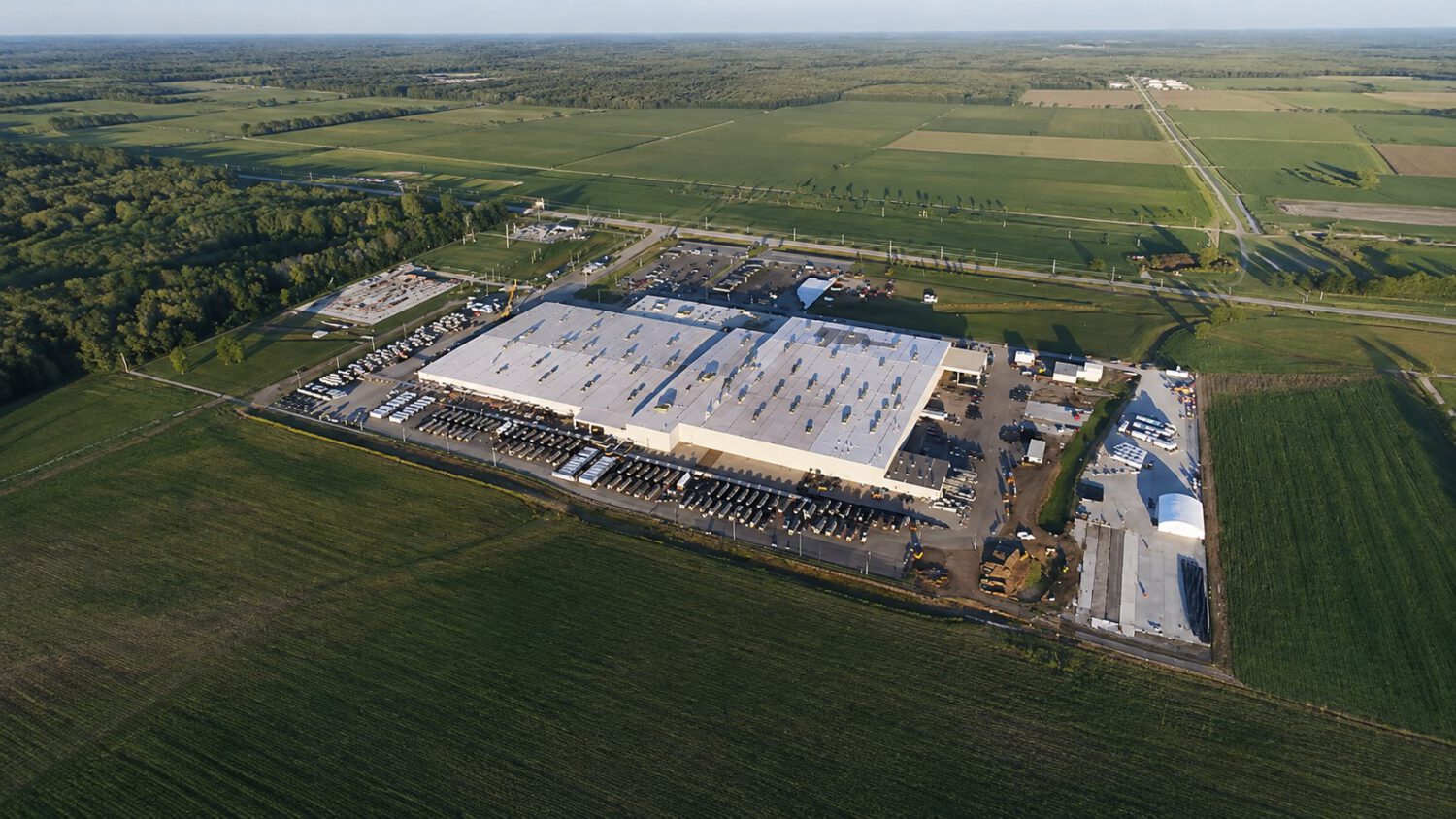
According to Earthjustice, the NAACP lawsuit concerns 27 methane gas turbines operating near homes, schools, and churches. Plaintiffs allege those turbines lack required air permits, in violation of the Clean Air Act.
A federal court allowed that case to proceed after the Justice Department sought to end it. That procedural ruling did not address the underlying pollution allegations or determine any liability.
Reports describe a disagreement between federal and state regulators on the permitting question. The EPA has indicated some turbines may require permits, while Mississippi regulators have maintained that temporary or portable turbines did not require air permits under their interpretation. Pollution figures cited in the litigation represent estimates from the plaintiffs, not established judicial findings.
The Broader Infrastructure Problem
The Southaven dispute reflects a growing tension between AI infrastructure demands and established residential communities.
AI computing clusters require enormous, reliable electricity, a demand that pushes companies toward dedicated power generation close to existing neighborhoods. In Southaven, that pressure has put land-use decisions, air-quality permitting, noise regulation, and property rights on a direct collision course.
Three developments are worth watching going forward: the outcome of the residents’ noise lawsuit, the NAACP’s data center Clean Air Act litigation, and whether the buyout terms face legal scrutiny as potentially coercive. No court is currently reviewing the offers on those grounds.