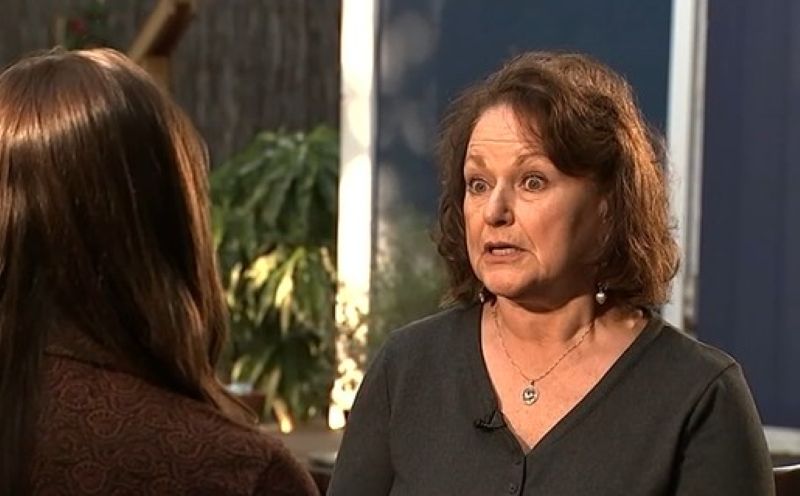
Deborah Del Mastro heard her daughter Sarah sobbing over the phone—”I love you, mom, I’m so sorry, I’m so scared”—before the line went dead. The Martinez mother spent the next five hours following a kidnapper’s demands, wiring $5,400 to Mexico. Only when she arrived at the supposed drop-off point and called Sarah directly did she discover her daughter was safely at work. The voice had been AI-generated. Your family’s voices are probably online right now, scraped from Instagram stories or TikTok videos, waiting to be weaponized.
The Scamdemic Spreads
Voice cloning requires mere seconds of audio to create convincing fake distress calls
Scammers now need just a few seconds of audio—pulled from social media posts—to clone someone’s voice with AI tools that sound “exactly like you,” according to Erin West of Operation Shamrock, a law enforcement initiative tracking high-tech fraud. West calls this rising wave of AI-assisted scams a “scamdemic” that’s “only getting worse” as deepfake technology advances.
Emotional Manipulation at Scale
Five-hour ordeal shows how realistic audio amplifies traditional phone scam psychology
Del Mastro’s ordeal lasted five hours as the caller barked commands—”don’t speak,” “is there someone there with you?”—while playing periodic clips of the cloned voice crying in apparent distress. The scammer claimed Sarah had witnessed something she “wasn’t supposed to” involving a Mexican drug cartel. Traditional kidnapping scams relied on generic threats and poor audio quality. AI voice cloning transforms these into personalized psychological warfare that targets your deepest parental fears.
No Guardrails in Sight
Consumer testing reveals widespread lack of consent protections in voice-cloning apps
Consumer Reports tested six popular voice-cloning applications and found four had no meaningful safeguards ensuring the original speaker consented to being cloned. The two apps with better protections could still be circumvented. Meanwhile, no specific federal laws prevent someone from cloning another person’s voice without permission—a regulatory gap that leaves families vulnerable as these tools proliferate beyond legitimate uses.
Digital Self-Defense Becomes Essential
Family code words and callback verification emerge as new necessities
Del Mastro’s family now shares phone locations and refuses to answer unknown numbers. Security experts recommend establishing secret family phrases that can’t be guessed from social media, hanging up on distress calls to verify through trusted numbers, and treating urgent money requests as automatic red flags. These aren’t paranoid measures—they’re becoming essential digital hygiene. As AI-generated voices become indistinguishable from real ones, we’re entering an era where even our most trusted sense—recognizing loved ones’ voices—requires technological skepticism.