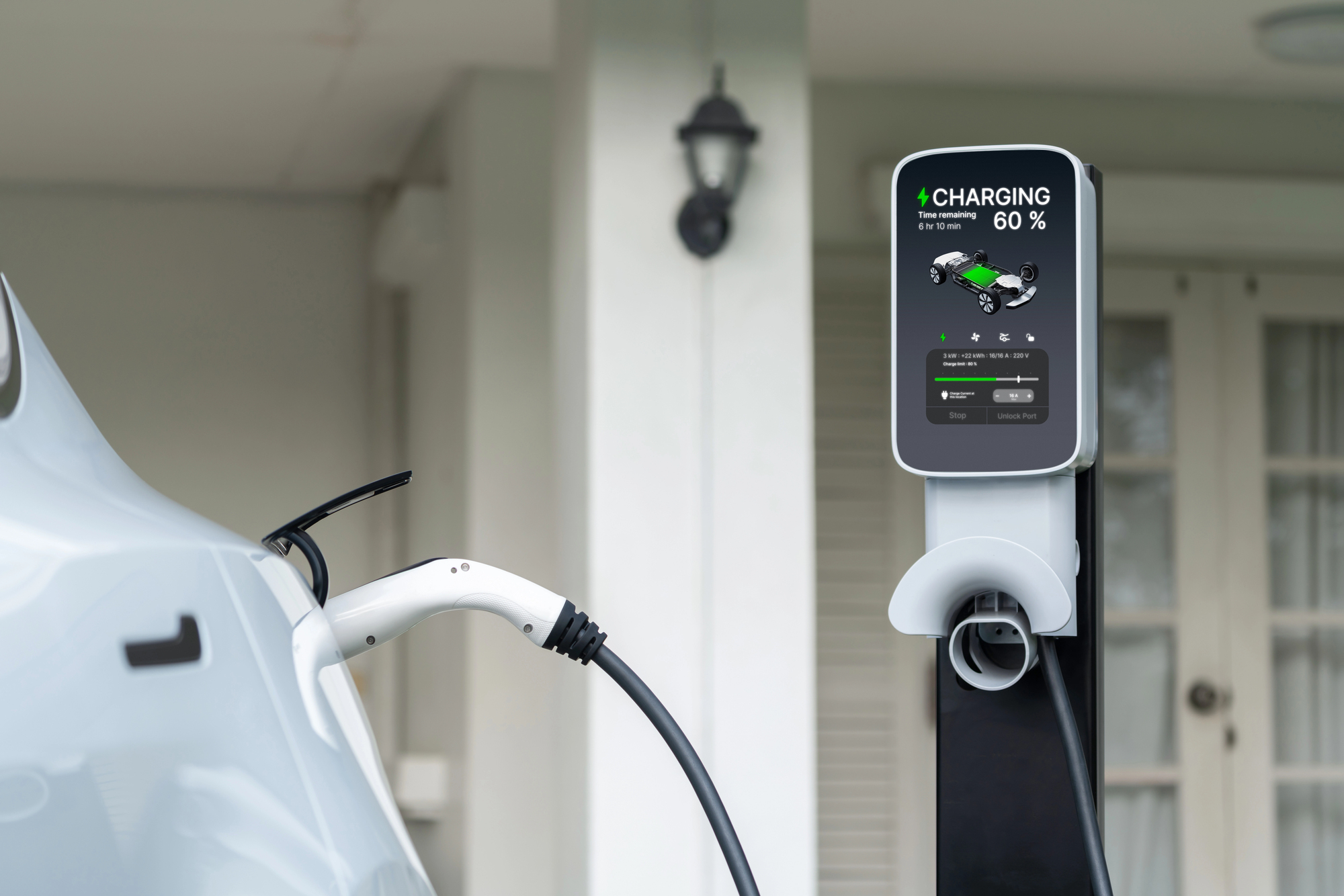
Standing at a charging station with a flat tire while your EV’s battery crawls toward full capacity feels like cosmic punishment for going electric. BYD apparently agrees, because the Chinese automaker reportedly filed a patent for a robot that could handle both EV charging and tire inflation in one seamless operation.
Recent patent filings suggest a mobile robot equipped with both charging connectors and tire inflation equipment. Instead of juggling multiple tasks during your charging session, you’d simply park and let the robot handle everything. Think of it as a mechanical pit crew that actually shows up when you need it.
How the Two-in-One Robot Works
The proposed design reveals a mobile unit that could automate your most tedious car maintenance tasks.
The system supposedly combines BYD’s existing charging technology with pneumatic tire inflation equipment mounted on a wheeled platform. The robot would navigate to your parked vehicle, connect the charging cable, check tire pressure, and inflate as needed. Patent documentation suggests the unit could operate autonomously, though human oversight would likely remain during early deployments.
Real-World Impact for EV Owners
This automation addresses two major pain points that plague current charging experiences.
Picture rolling up to a charging station after a long highway drive. Your tires need attention, but the nearest air pump sits across a busy parking lot. This robot could eliminate that awkward dance between competing priorities.
You’d plug in once while the machine handles diagnostics and maintenance simultaneously. For fleet operators managing dozens of vehicles, the efficiency gains become even more compelling. No more sending drivers on tire pressure treasure hunts while vehicles charge.
The Reality Check Behind the Patent
Filing a patent doesn’t guarantee you’ll see these robots next year at your local charging station.
Patents often represent future ambitions rather than immediate product launches. BYD would need to navigate complex safety regulations, integrate with existing charging infrastructure, and prove the economics work for station operators.
The technology might exist, but deployment across diverse charging networks involves coordination that typically takes years, not months. Think less “arriving next quarter” and more “maybe by the time your current lease ends.”
Your EV charging experience will eventually become as automated as smartphone updates—happening seamlessly in the background while you grab coffee. This patent suggests that future arrives through practical combinations of existing technology rather than revolutionary breakthroughs.