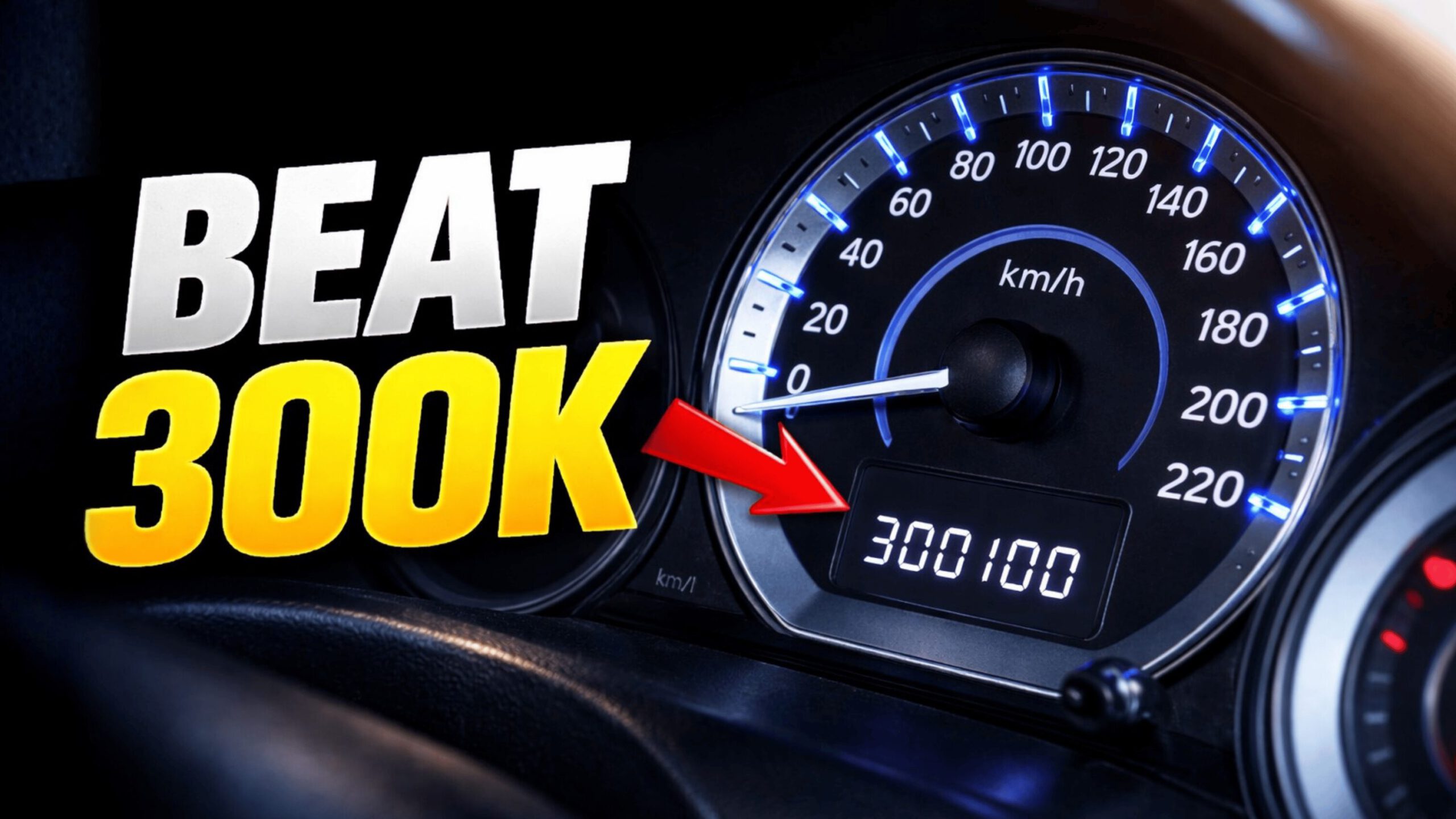
Keeping your ride alive for 300,000 miles (roughly 483,000 kilometers) doesn’t just save cash; it’s an act of defiance against planned obsolescence and those monthly payments the banks demand. So ditch the dealership déjà vu and meet our handpicked maintenance commandments—stuff that keeps your ride purring longer than your neighbor’s cat. Oil changes more regular than your gym visits, fluid swaps that’ll make your transmission sing, and checks so thorough they’ll make your mechanic sweat. Ready to turn your car into a geriatric beast? Buckle up.
1. Oil Change
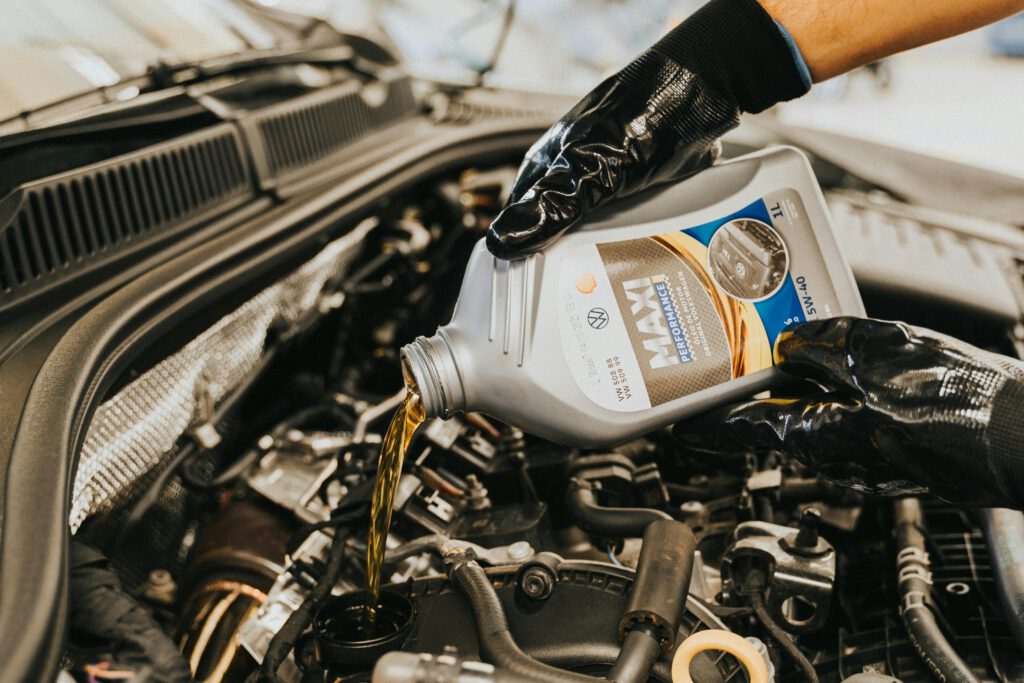
Regular oil changes are cheaper than therapy after your engine throws a rod.
Driving like you’re auditioning for Fast & Furious? Then those manufacturer-suggested oil change intervals of every 3,000–6,000 miles (or 5,000–8,000 km) are cute, but not realistic. Short trips and idling? Those are basically foreplay for engine sludge. Solution: manufacturer-approved oil and filters at those intervals or sooner.
Even if your daily commute involves more parking than mileage, don’t skip the oil change entirely. An annual refresh with manufacturer-approved products is the bare minimum to keep things lubed. Think of it as an annual spa day for your engine—a small price to pay for avoiding a major meltdown.
2. Transmission Fluid Change
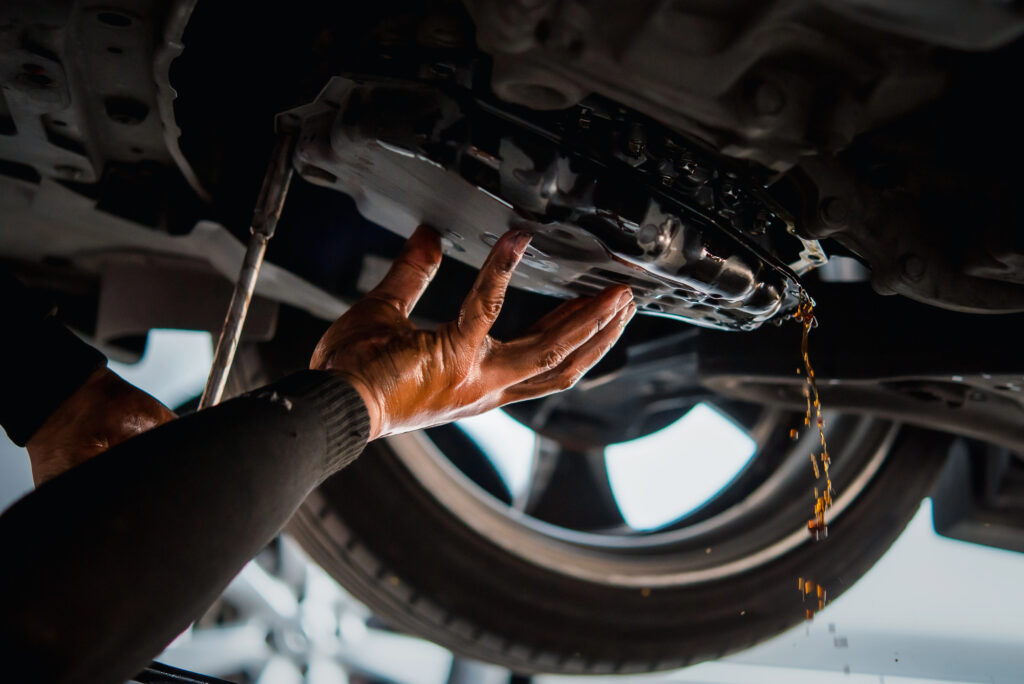
Regular transmission fluid changes are the secret sauce for smooth shifting.
Ever wonder why some cars shift smoother than a Vegas card dealer? Experts suggest swapping it out every 50,000-60,000 miles (80,000-100,000 km) under normal conditions. But if you’re regularly hauling ass—towing a boat or dodging potholes in the city—think of that fluid like your liver during a bachelor party; it needs a cleanse more often.
Neglecting this is like skipping leg day: eventual disaster. So, if you’re planning a cross-country culinary tour in your vintage El Camino, don’t be a hero. Get that fluid checked or changed, or you might end up stranded next to a Dairy Queen in the middle of nowhere.
3. Transfer Case and Differential Fluid Change
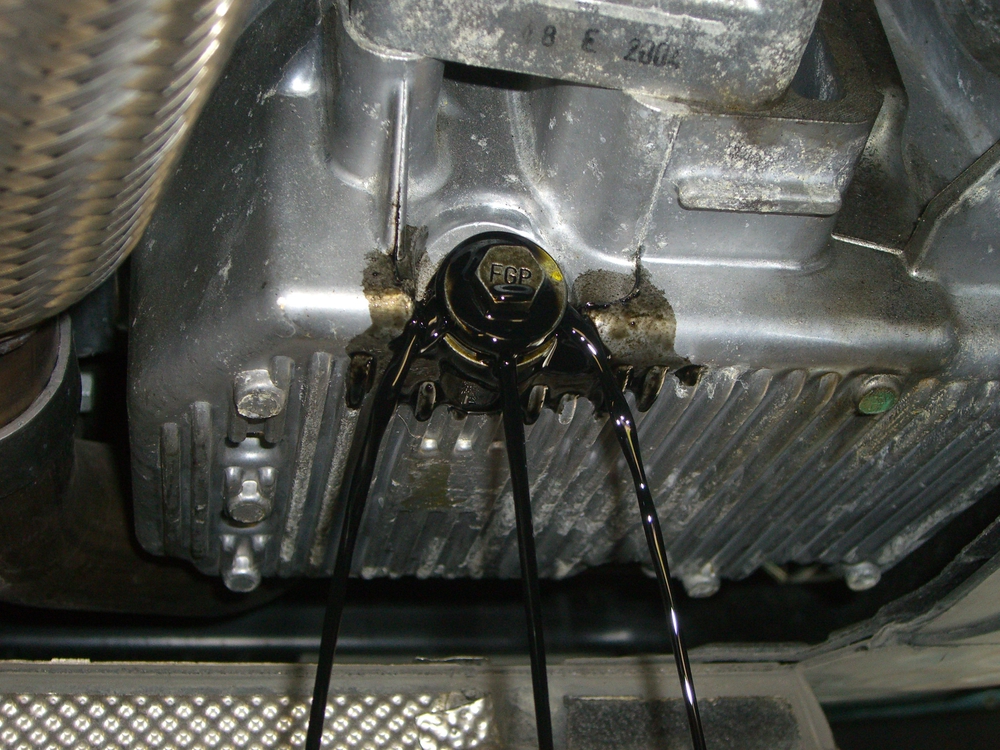
These fluids are cheap insurance for your driveline.
Changing transfer case and differential fluids every 30,000 miles (50,000 km) lubricates the gears responsible for transferring power to your wheels, which creates a lot of friction and heat. Think of that weekend cabin trip where your SUV was basically rock crawling up that “road.” Using approved fluids ensures those differentials don’t turn into expensive paperweights.
Sure, it’s another item on the maintenance list, but compared to the cost of replacing a diff, it’s basically free. So pony up, and let’s keep those wheels turning.
4. Coolant Flush/Replacement
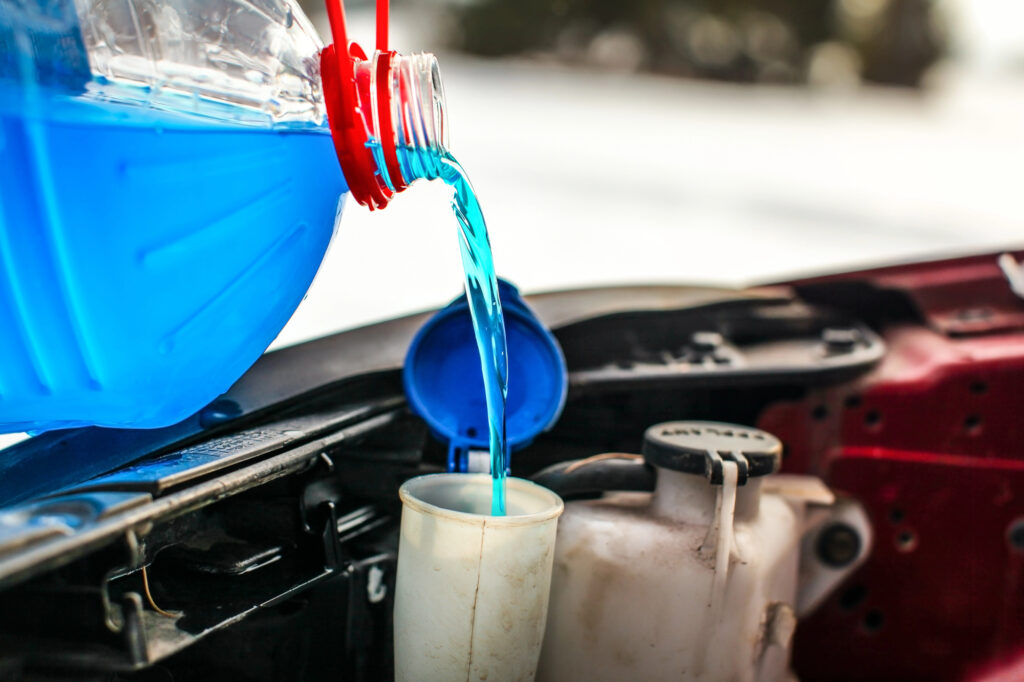
Skipping coolant maintenance is like ghosting your mechanic—it will come back to haunt you.
Regular coolant flushes, generally around 30,000–60,000 miles keep engines from overheating, which is ideal if you’re hitting the road to find that undiscovered BBQ joint. High-mileage coolants stretch that interval to 100,000+ miles, which is great but don’t push it just because you think you’re special.
While you’re at it, brake fluid should be flushed every 30,000–90,000 miles. Neglecting this means brake lines rust faster than tires on a ’97 Cavalier abandoned near the Ohio border. Think of coolant and brake fluid changes as automotive couples therapy—preventative, essential, and cheaper than the alternative.
5. Engine Air and Fuel Filter Replacement
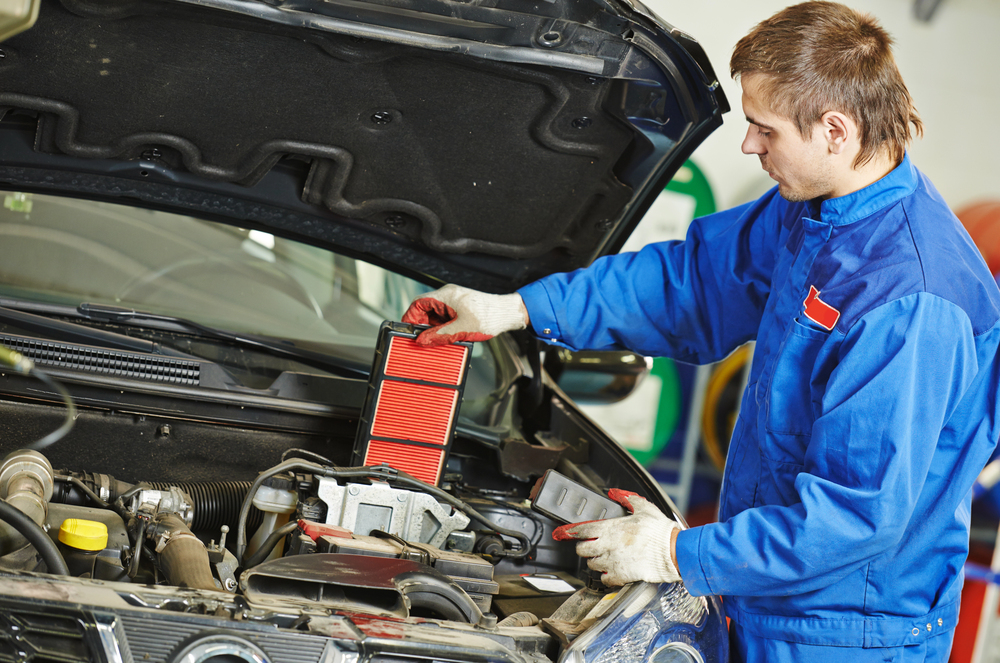
Your engine breathes easier when filters are fresh.
Air filters should be inspected or replaced every 15,000-30,000 miles. Imagine your engine trying to run a marathon while wearing a mask filled with lint and dust. Not great, right?
Spark plugs and belts should be on your radar every 50,000-100,000 miles, like clockwork. Don’t be that person stranded on the roadside because you skipped a preventative step. As for timing belts or chains? Align those replacements with whatever voodoo the manufacturer recommends.
6. Tire Rotation
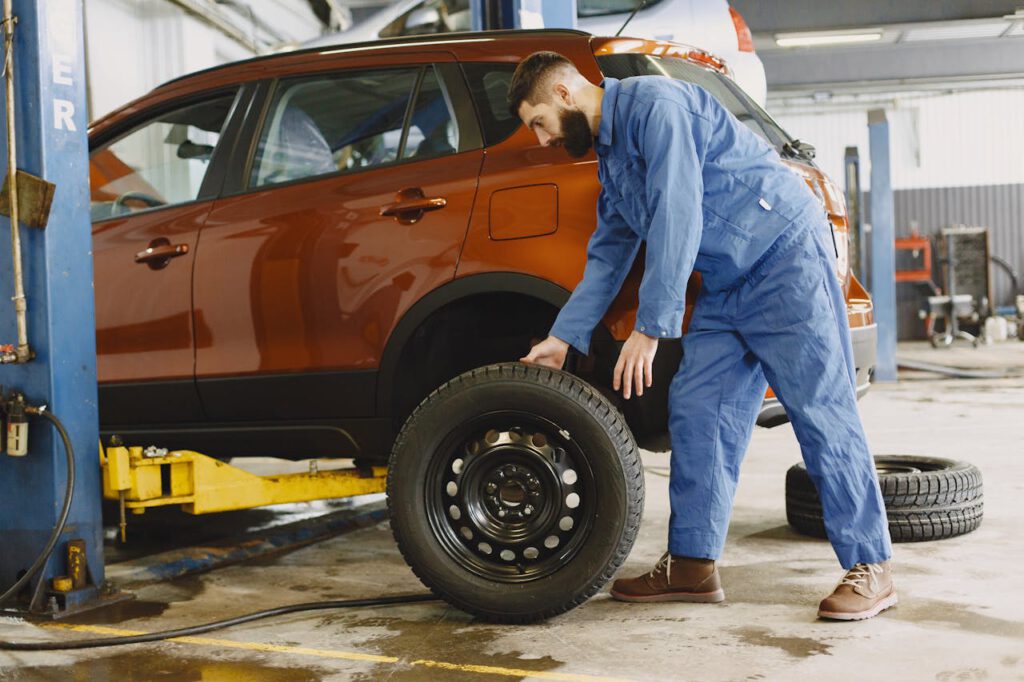
Even wear keeps tires from becoming aggressively bald.
Ever wonder why some tires look like they’ve gone through a wood chipper? Rotating those bad boys every 5,000-10,000 miles is the secret sauce, like changing guitar strings to dodge that dull thrum. You’ll even out the wear and keep them from becoming aggressively bald.
Skipping this step means the front tires get all the love (steering and braking), while the rears just tag along for the ride. Keep a rotation schedule in mind, or the uneven wear turns your peaceful ride into a symphony of road noise.
7. Brakes and Suspension Inspection
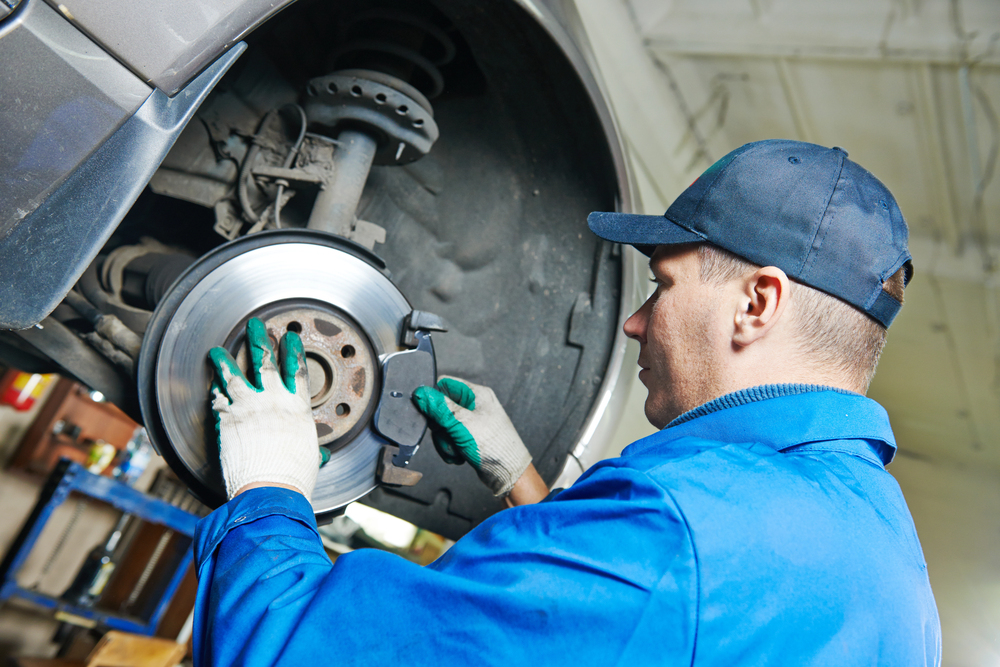
The goal is to reach 300,000 miles and beyond so your car isn’t another lemon in the auto lot.
Brake and suspension systems need inspection around 30,000-60,000 miles, yet neglecting this could turn your ride into a lowrider—the unintended kind. Keep an eye on those shocks, struts, and brake pads to avoid a bumpy situation. The tires are the shoes of the car and the brakes are its ability to say, “Whoa, hold up!”
Full check-ups are crucial past 100,000 miles. Oxygen sensors, shocks, and the chassis itself need a good once-over. Neglecting these inspections past 120,000-250,000 miles is like ignoring that weird noise your neighbor’s car makes—except you’re the neighbor.
8. Record Keeping
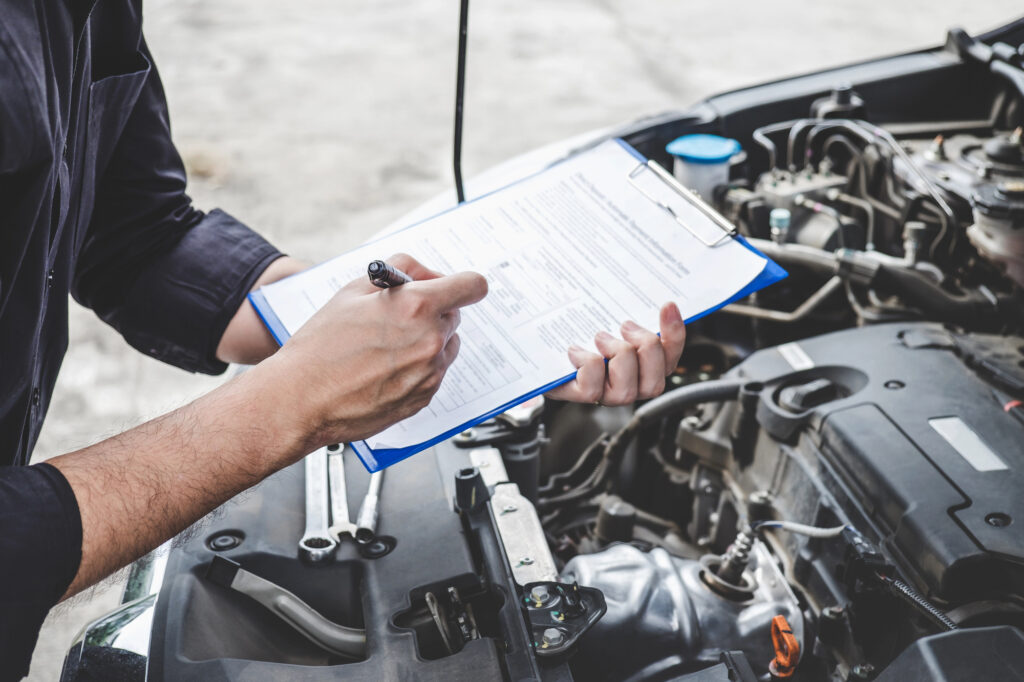
Extended car life hinges on meticulous tracking and unbiased mechanics.
If you skip this step, you might as well be using Waze for your finances. Keep detailed records of every service, repair, and fluid change. Independent mechanics offer unbiased opinions without upselling that unnecessary blinker fluid.
Sticking to recommended maintenance schedules—think coolant flushes every 30,000–60,000 miles (48,000–96,000 km) or transmission fluid swaps every 50,000–60,000 miles (80,000–96,000 km) will extend your car’s life past 200,000 miles. Imagine cruising cross-country in your 2008 Honda, still kicking thanks to organized TLC. That’s not just driving; it’s automotive immortality.