Reality Labs just torched $4.2 billion in a single quarter, proving that even tech giants can’t escape the brutal math of betting wrong. Your metaverse dreams from 2021? They’re now expensive lessons in how quickly Silicon Valley pivots when the zeitgeist shifts.
The $80 Billion Bet That Wasn’t
Meta’s Reality Labs posted a $4.2 billion operating loss on just $412 million in revenue for Q1 2025, with Wall Street seeing the decline coming like a Marvel movie sequel. Since late 2020, the division has hemorrhaged over $80 billion—enough to fund NASA for three years or buy Twitter twice over.
The bloodletting continues with 1,000 Reality Labs employees cut in January alone, focusing on VR content teams that built experiences for a world that never materialized. “Reality Labs is a leaky bucket,” Forrester VP Mike Proulx told investors, predicting potential metaverse shuttering. When your own CTO calls 2025 either “most critical” or a “legendary misadventure,” you know the pressure’s real.
From Virtual Worlds to Smart Glasses
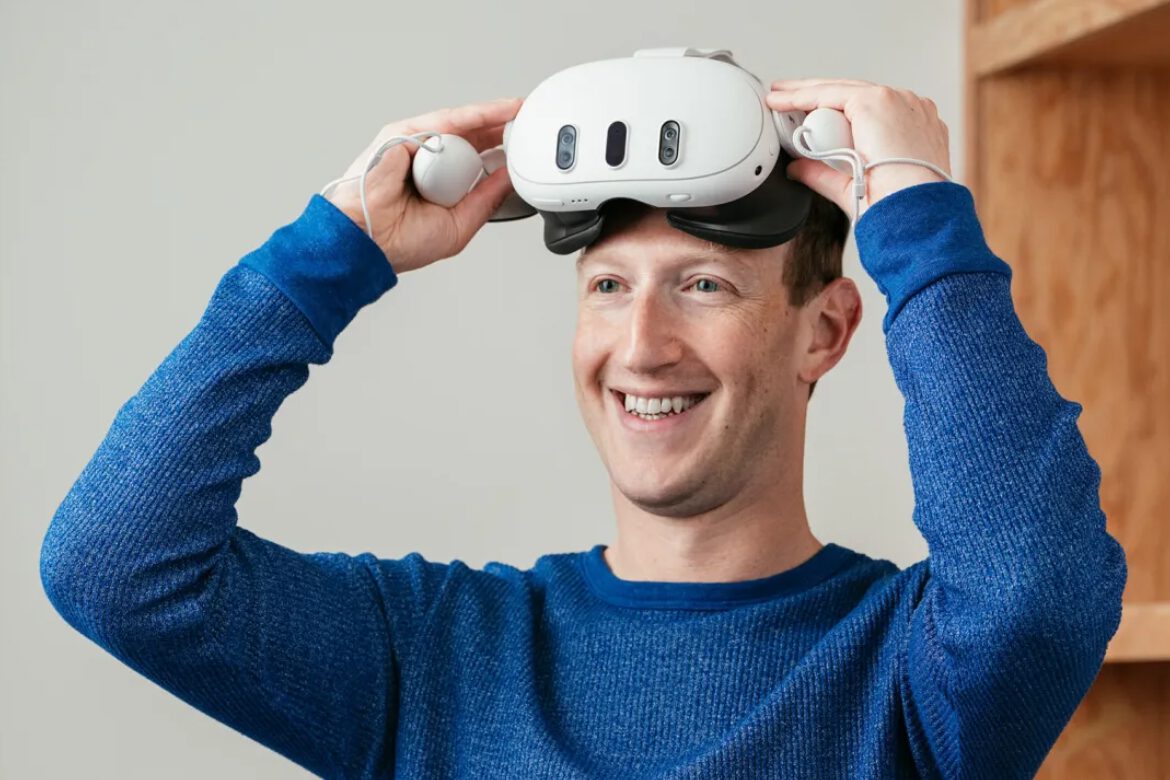
Quest sales dropped despite the Quest 3S dominating Amazon’s holiday console rankings—a classic case of strong launch, weak follow-through. Meanwhile, Ray-Ban Meta glasses tripled sales and quadrupled monthly users, becoming Meta’s accidental salvation like TikTok dances during lockdown.
Zuckerberg now talks about scaling glasses to tens of millions of units, abandoning the immersive virtual worlds pitch for smart glasses that actually fits into your life. The shift represents more than product strategy—it’s cultural whiplash for anyone who bought Quest headsets expecting the metaverse future Meta promised.
Your investment in Meta’s ecosystem now depends on whether AI glasses can justify the massive losses approaching $90 billion by 2026. The company that rebranded itself around virtual reality is betting its future on making you look less awkward while talking to your glasses.