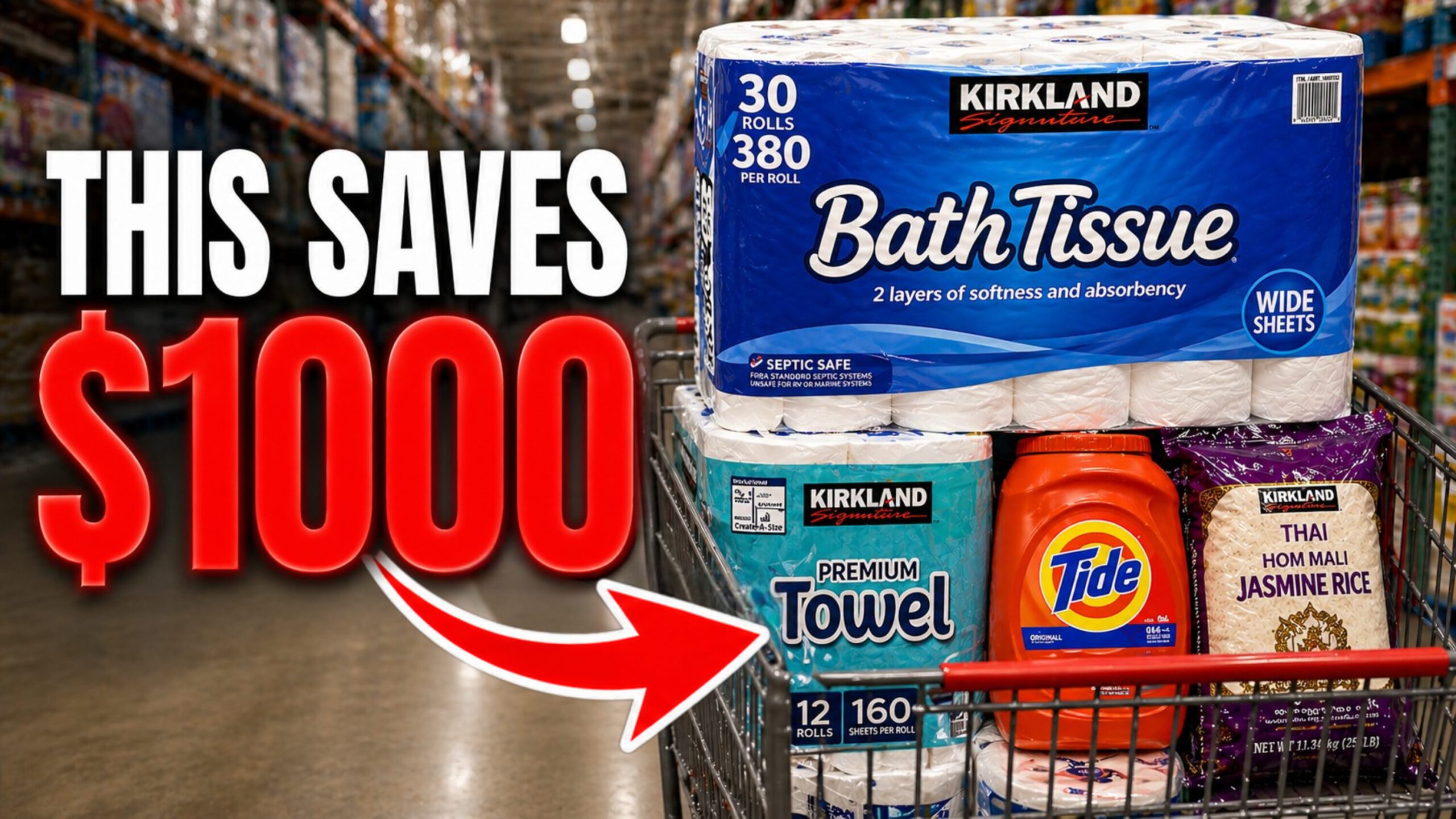
The average American household uses approximately 100 rolls of toilet paper annually, and keeping a stash on hand isn’t just about avoiding those dreaded emergency runs. Beyond the obvious, smart shoppers can slash unit costs by up to 75% by embracing the bulk-buying lifestyle for more than just bathroom essentials. Think of it like pre-ordering your favorite streaming series; you lock in value and ensure you’re never caught without your must-haves. This approach turns mundane shopping trips into strategic plays, stockpiling goods that either maintain their potency for years or, like rice, can literally last decades in airtight containers.
This content may contain affiliate links. If you wish to support us and use these links to buy something, we may earn a commission.
15. Toilet Paper

The ultimate emergency-proof essential that never expires if kept dry.
The average American flushes away about 100 rolls of toilet paper annually, which sounds like a lot until you realize it’s essential, shelf-stable real estate for your pantry. Unlike that artisanal sourdough starter you bought, this stuff doesn’t expire if you keep it dry. Warehouse clubs, bless their massive hearts, often cut the price per sheet by a whopping 30-40% compared to those tiny grocery store packs. Just remember to compare the sheet count, not just the roll count, unless you enjoy paying a premium for cardboard tubes.
Anyone who’s ever stared at an empty toilet paper holder during an emergency knows the value of foresight. During the Great Toilet Paper Shortage of 2020, those who’d embraced the bulk buy looked like survivalist geniuses.
14. Laundry Detergent
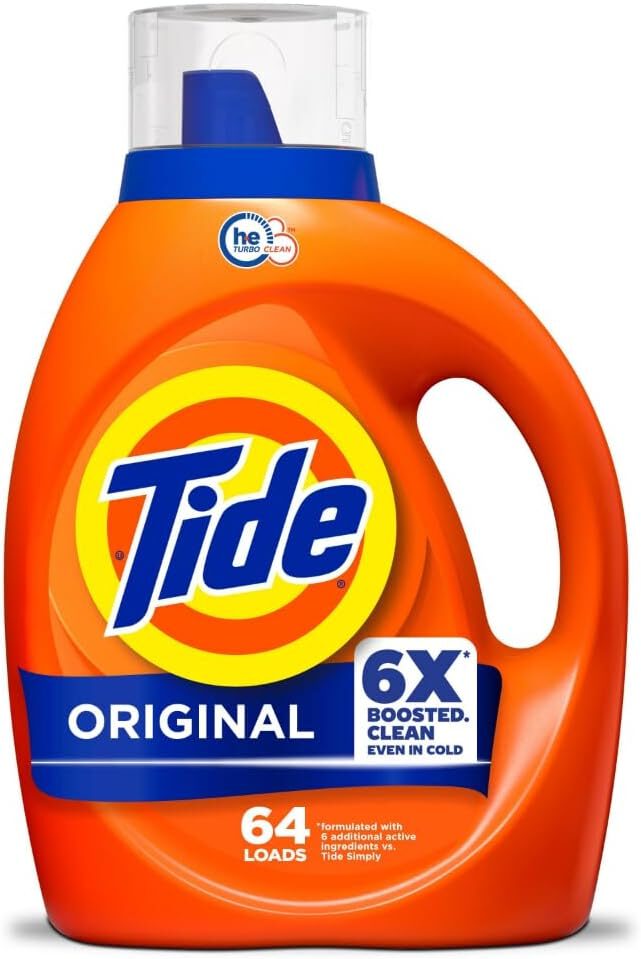
Concentrated formulas slash costs in half compared to watery grocery store bottles.
The average household faces about 300 loads of laundry each year, which means detergent is basically a non-negotiable subscription service for your clothes. Buying concentrated formulas from warehouse stores can slash your cost per load by as much as 50% compared to those tiny, watery bottles at the grocery store. It’s like buying a dense energy bar instead of a multipack of flimsy crackers.
Powder detergent is the long-haul champion here, sticking around for well over a year, while liquids start losing their punch after 12 months. Those convenient pods? They’re the flashy sports car of the detergent world—fast and easy, but cost three to four times more per mile.
13. Generic Medications
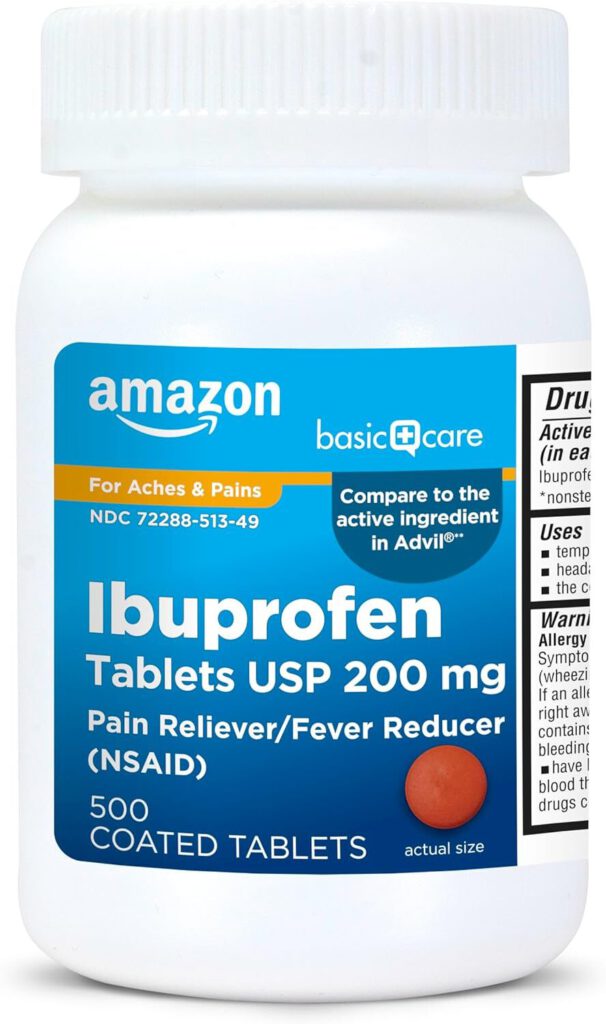
FDA-approved identical ingredients at 80% less cost than brand names.
Generic medications are basically the same as their brand-name cousins, approved by the FDA to deliver identical active ingredients, dosage, and safety. Think of it like this: generic ibuprofen is the same car, just without the fancy dealership showroom. A 500-count bottle of generic ibuprofen might only set you back $8, a fraction of the $40 you’d shell out for the name brand at some places.
Military studies have shown these meds hold onto their potency, retaining over 90% of their power years past their expiration dates. So, that date? It’s often more of a suggestion than a hard stop, especially if you keep them stored in a cool, dry spot away from humidity.
12. Batteries
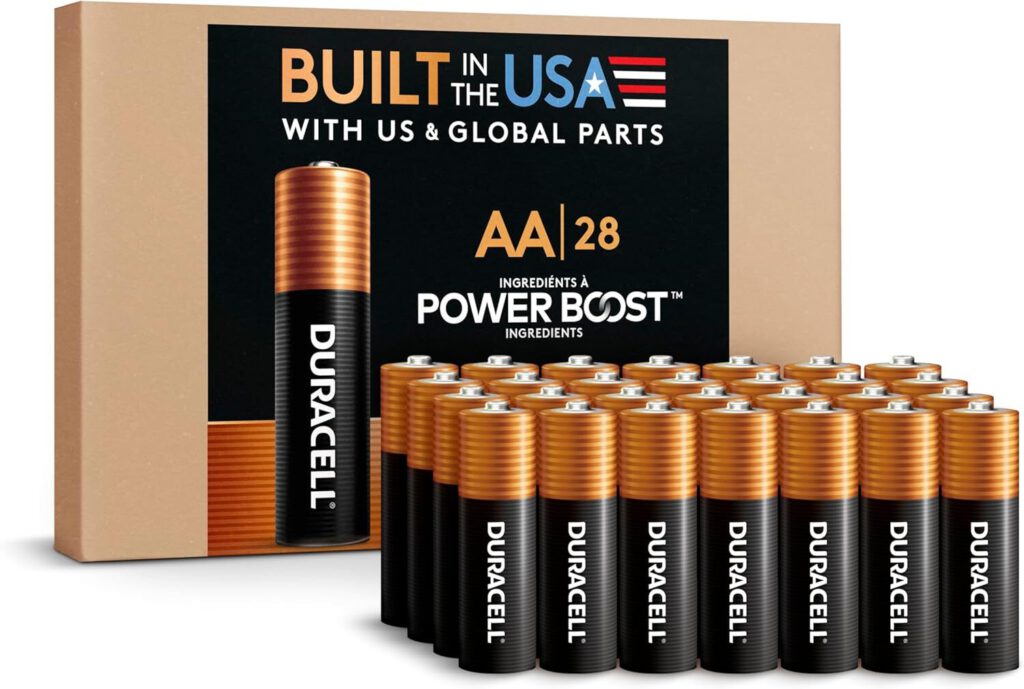
Alkaline batteries boast a 10-year shelf life and cost 25 cents versus 75 cents retail.
The average household goes through about 47 batteries annually, powering everything from your TV remote to those smoke detectors that shriek louder than a TikTok influencer at a discount sale. Buying in bulk from warehouse stores slashes the cost to roughly $0.25 per battery, a steal compared to the $0.75 you’d drop at a convenience store just to find the flashlight still won’t work.
Luckily, alkaline batteries boast a 10-year shelf life if you stash them in a dry, room-temperature spot, so they won’t go bad before you actually need them. It’s like having a backup supply of emergency juice, minus the existential dread.
11. Rice
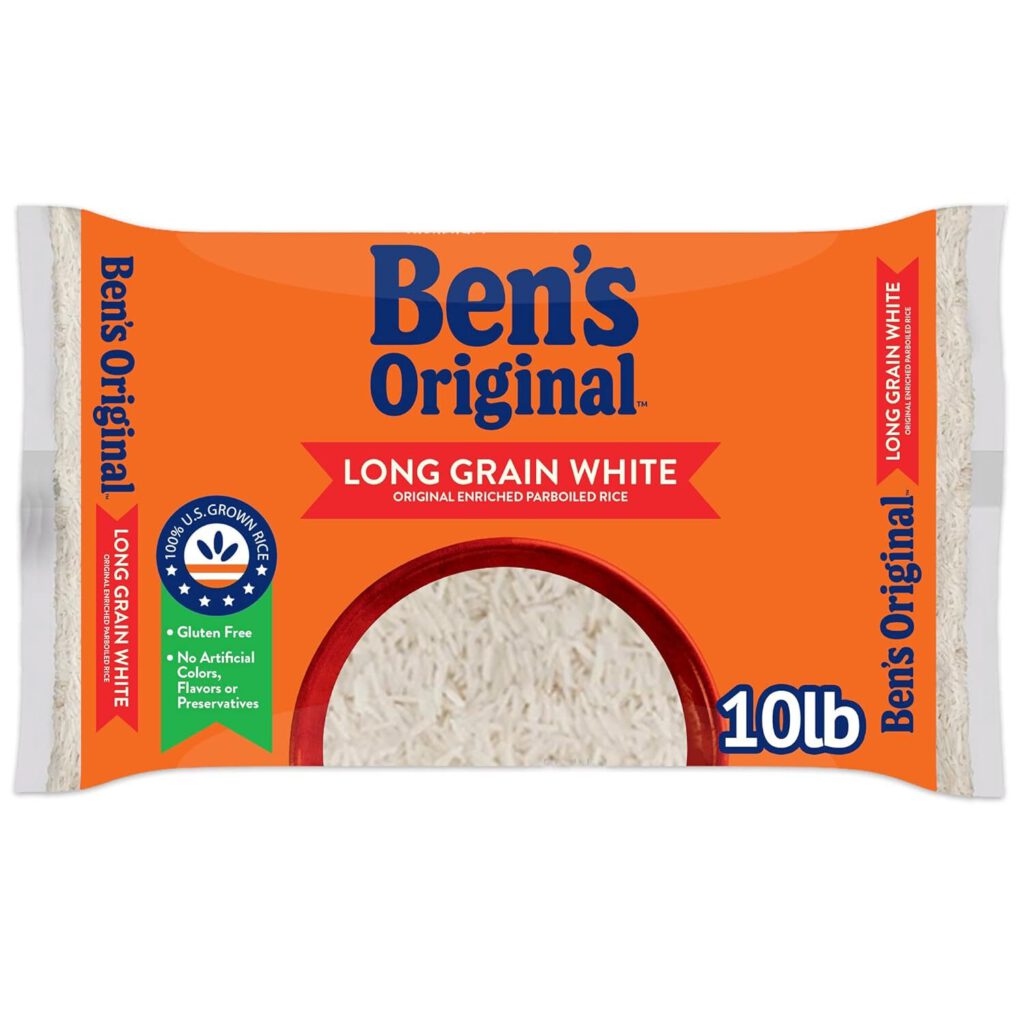
White rice lasts 30 years in airtight containers, making it the ultimate pantry champion.
White rice, when stored properly in airtight containers, can last an astounding 30 years. This makes it a reliable staple for long-term food security, a lesson learned by folks during historical scarcity like the Great Depression. Grabbing a 25 lb bag at a warehouse club often sets you back around $15. Compare that to buying the same amount in 1 lb bags at a regular grocery store, where you might shell out closer to $40.
Its versatility means you can whip up everything from a quick side dish to a foundation for hearty meals, proving that sometimes, the simplest things offer the most enduring value.
10. Beans
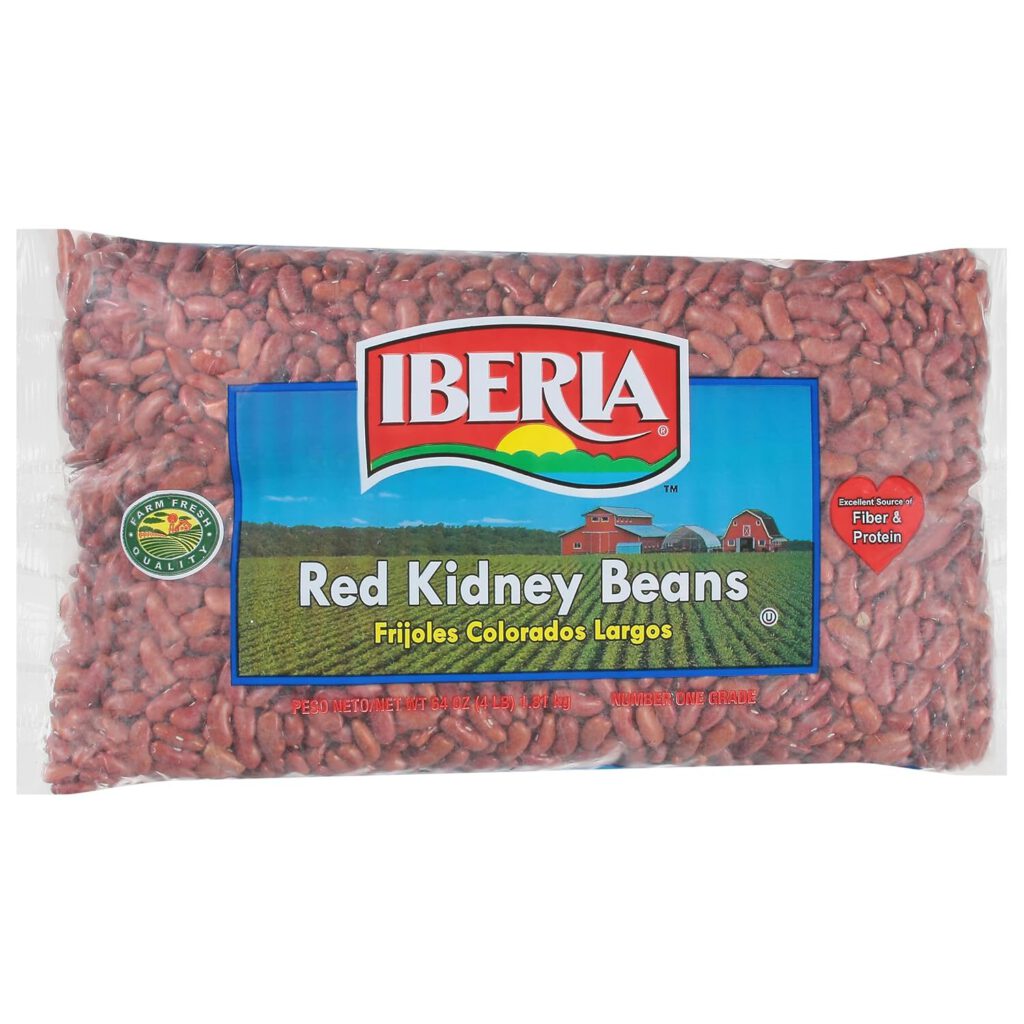
One cup dry yields three cups cooked—60 servings from a 10 lb bag.
Dried beans are basically the pantry equivalent of a superhero origin story. One cup of these humble legumes yields about three cups when cooked, and a 10 lb bag can dish out around 60 servings. Talk about bang for your buck. When you pair them with rice, you’ve got a complete protein source that can fuel you through tough times, much like they did during the Great Depression.
Pro tip from Grandma’s playbook: toss a bay leaf into your storage container; it’s a natural bug repellent that keeps your precious beans safe without any weird chemicals.
9. Canned Goods
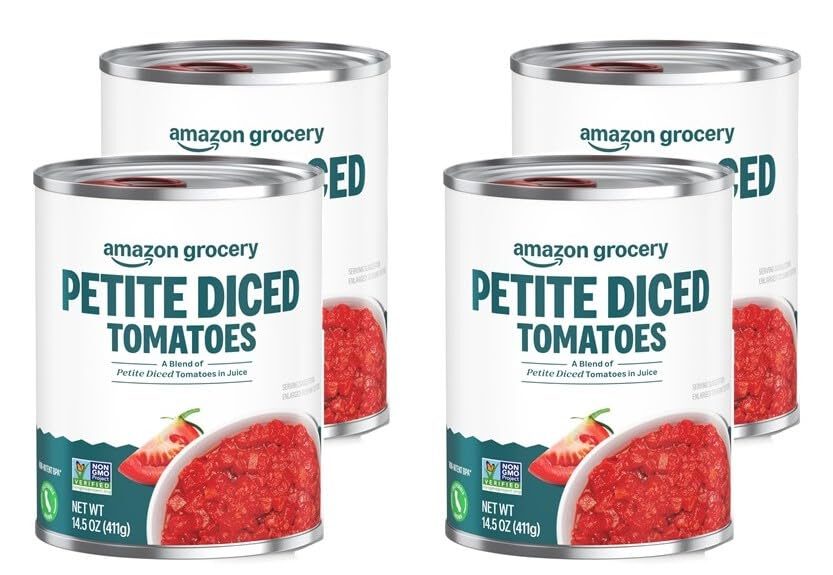
Military tests proved some cans stayed edible after 130+ years.
Buying canned goods is like unlocking a cheat code for your pantry. Military tests in 1862 found some of those old cans were still edible over 130 years later, which is wilder than finding out your favorite band is still touring. Snagging a case of tomatoes, beans, or tuna can slash your grocery bill by 20-30% and set you up for roughly 40 different dinner options.
Just a heads-up: while a little ding on the side of a can is usually fine, any damage near the seams is a hard pass. That could mean nasty bacteria crashing the party.
8. Paper Towels
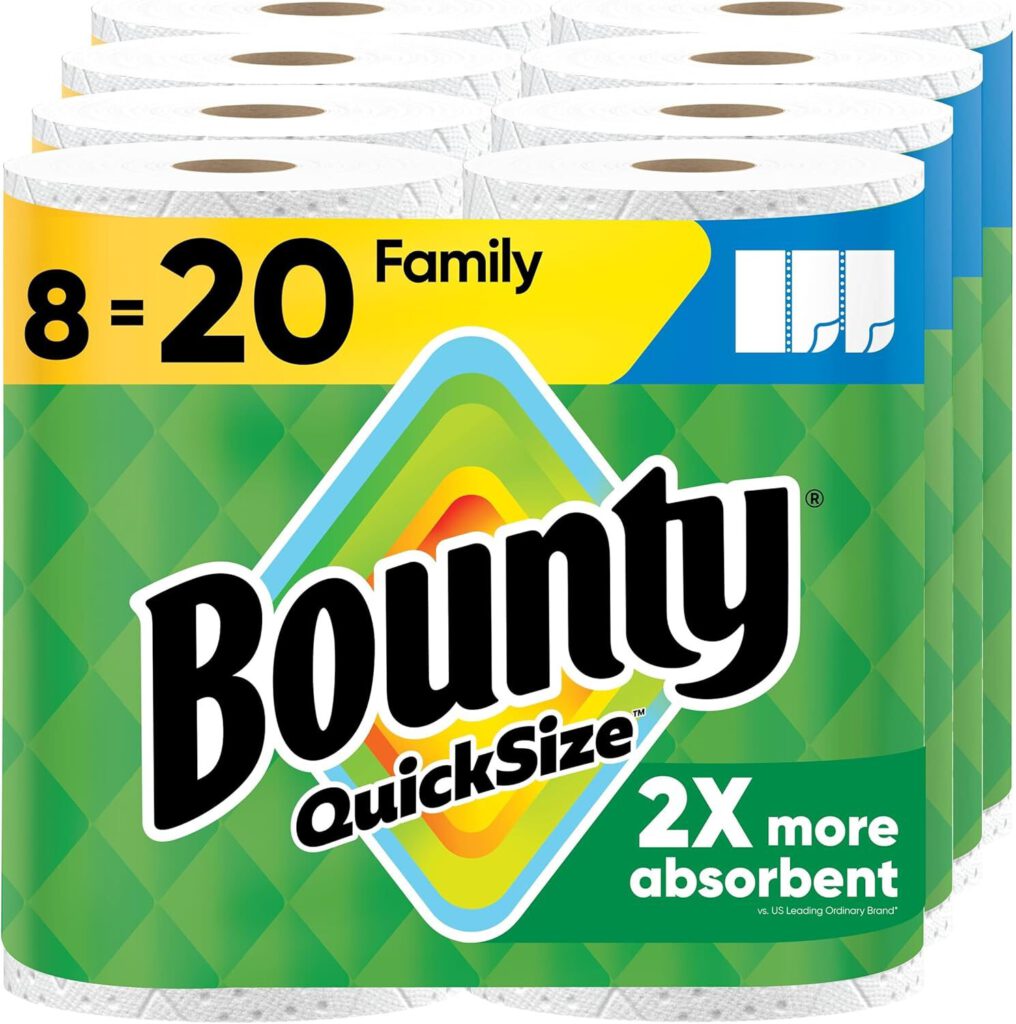
Select-a-size rolls provide 2-3 times more sheets than standard rolls.
The average household uses about 80 rolls of paper towels annually, so buying in bulk isn’t just smart, it’s practically a life hack. Warehouse clubs slash prices, typically saving you 40% compared to those small grocery store packs. Think of select-a-size rolls as a magic trick that doubles or triples your sheets, fundamentally altering the cost-per-wipe equation.
Unlike that milk that goes sour in days, paper towels are basically immortal; stash them in the garage for years. Sure, reusable cloths exist, but tally up the water, electricity, and detergent, and those paper towels start looking like a surprisingly sound financial move.
7. Coffee
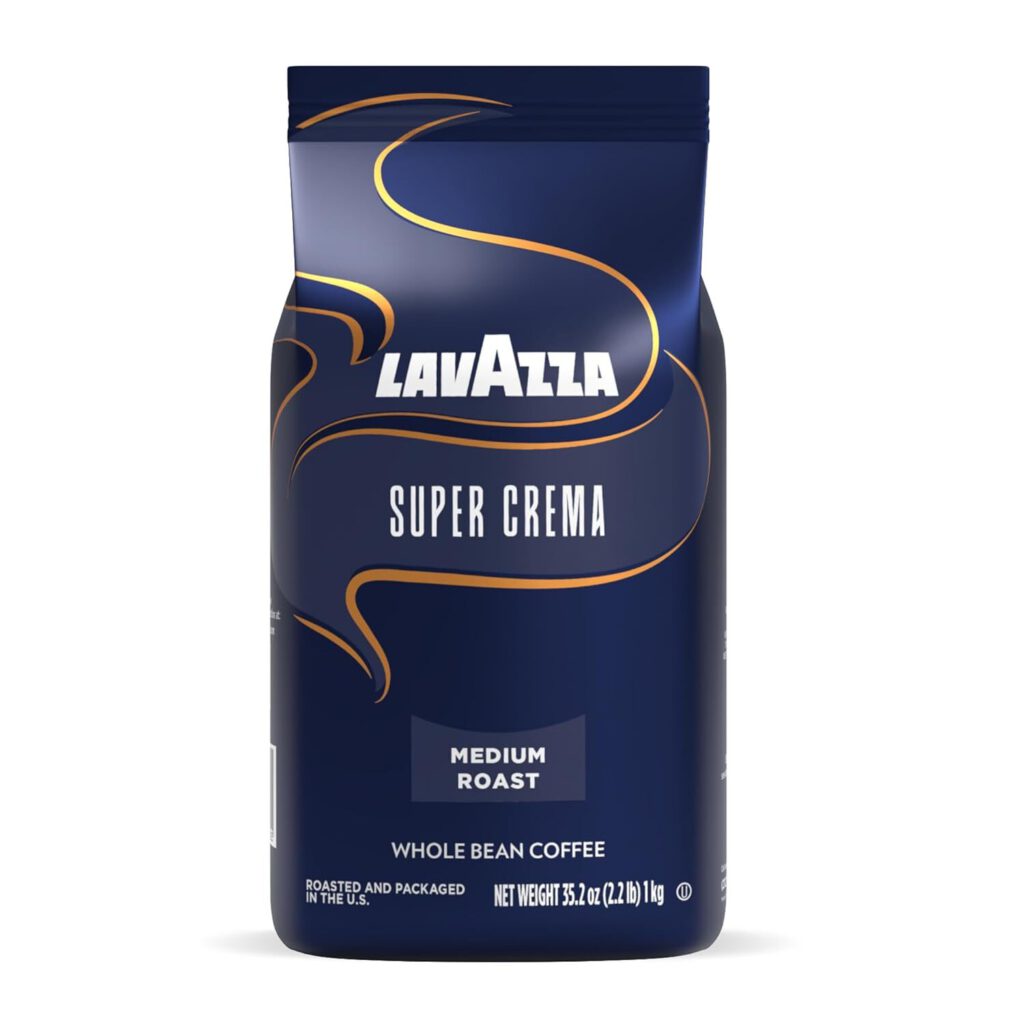
Whole beans from warehouse stores cost $6-8/lb versus $15 at grocery stores.
Buying whole beans from warehouse stores can slash costs to $6-$8 per pound, a sweet deal compared to the $15 per pound you might see in your local grocery aisles. Keep those beans fresh in an airtight container for about 6 months, or go hardcore and vacuum-seal them in the freezer for up to 1 year.
Grinding your own beans right before brewing is non-negotiable for maximum flavor; honestly, a decent burr grinder pays for itself in about 2 months. It’s a no-brainer upgrade for anyone who appreciates a good cup.
6. Olive Oil
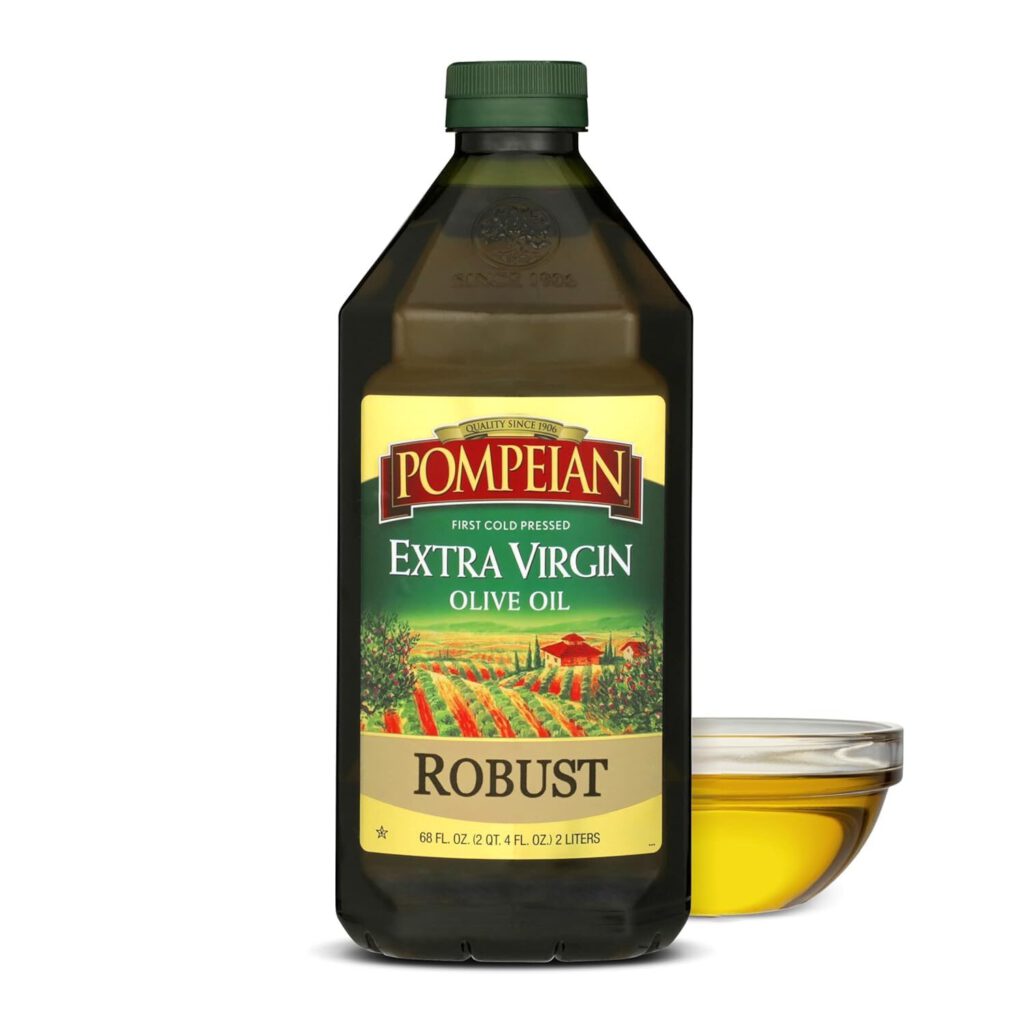
3-liter tins cost $36 versus $25 for single liters at grocery stores.
A 3-liter tin of olive oil from warehouse stores typically clocks in around $36, which is a smarter move than grabbing those 1-liter bottles at the grocery store for about $25 a pop. Unopened, this liquid gold stays good for 2 years, and even after you crack it open, it’s viable for a solid 18 months if you stash it right.
Think of it like fine wine, but for your salads—it hates light and heat. Keep the big tin in a dark pantry and decant smaller amounts into a dark, sealed bottle for daily use.
5. Pet Food
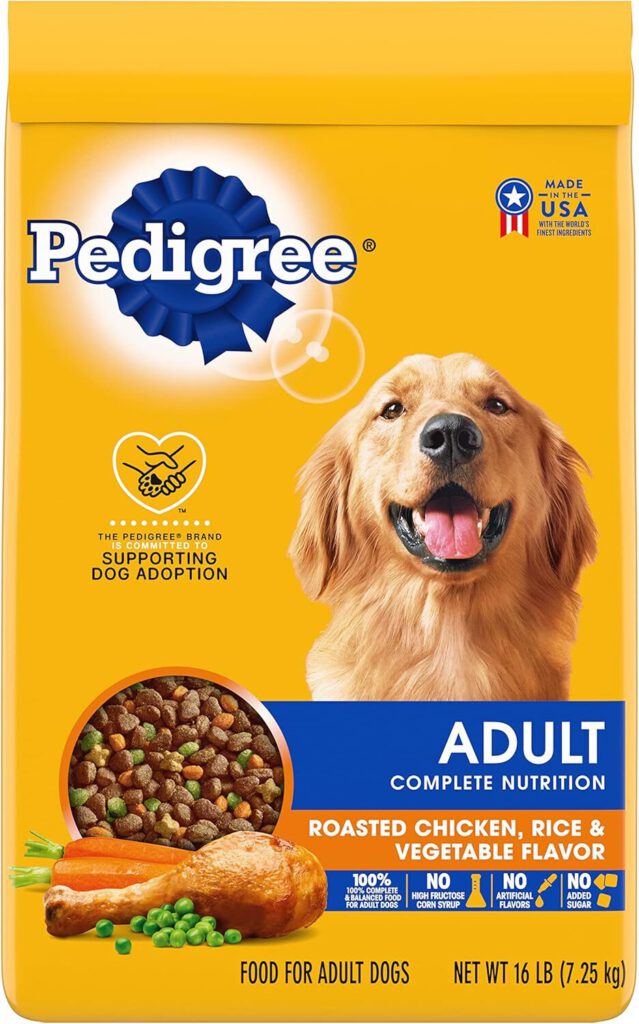
40 lb bags cost $1/lb versus $3/lb for smaller grocery store bags.
Buying dry pet food in bulk saves serious cash. Think a 40 lb bag at a warehouse store costing about $1 per pound, versus $3 per pound for a smaller bag at your local grocery. This isn’t just for your average kibble, either; even special prescription diets get a price cut this way.
Just remember, this stockpile isn’t immortal. Unopened dry food generally stays fresh for up to 18 months. Once you crack that giant bag open, transfer the kibble into an airtight container faster than you can say “rancid fats.”
4. Frozen Vegetables
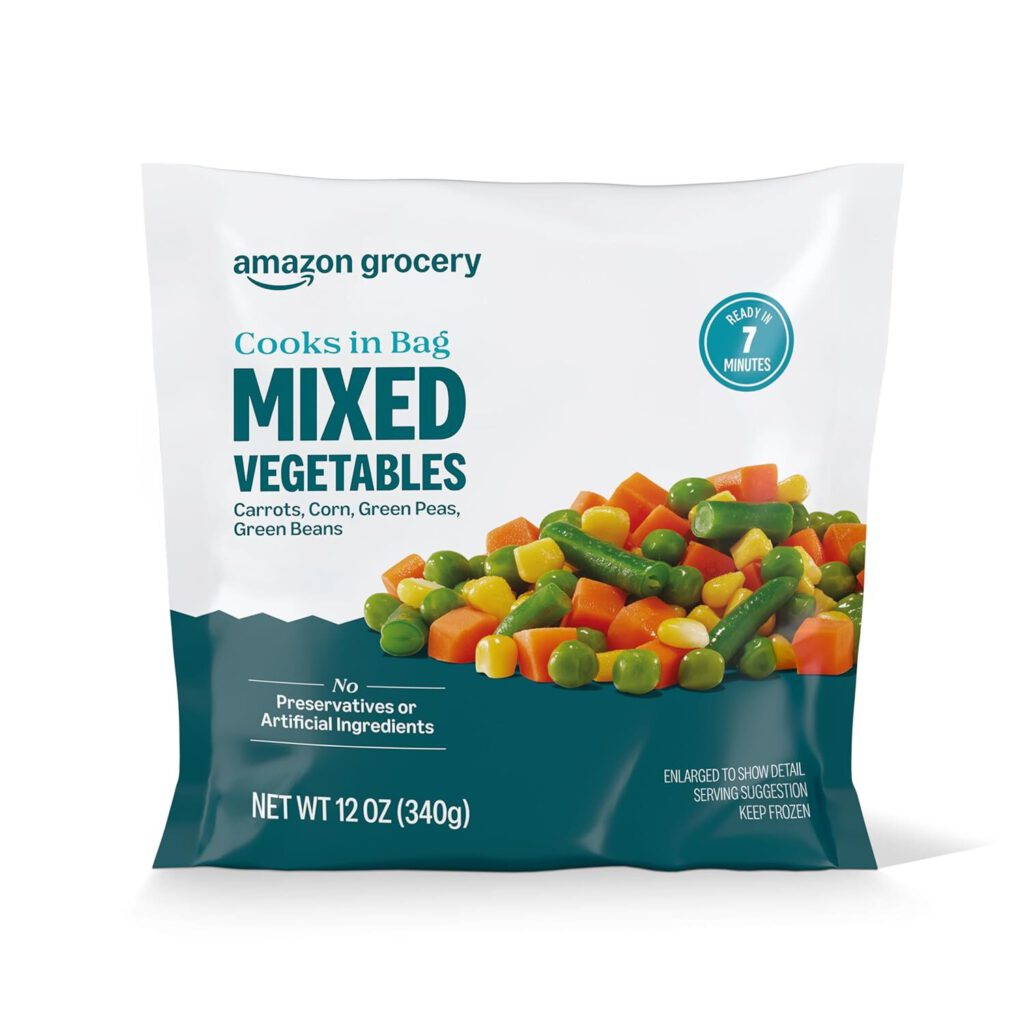
Flash-frozen within hours, often more nutritious than “fresh” shipped produce.
Forget the fresh-aisle guilt trip; frozen vegetables are the unsung heroes of your kitchen, and for good reason. They’re flash-frozen mere hours after harvest, locking in nutrients like a tiny, edible vault. Think about it: a 2 lb bag of frozen blueberries clocks in around $4, while a similarly priced container of fresh berries might be suspiciously tiny and already plotting its escape to the compost bin.
Anyone who’s ever tossed sad, forgotten produce can relate. You actually use every bit you pay for, making frozen a seriously smart move that dodges spoilage and prep time headaches.
3. Trash Bags
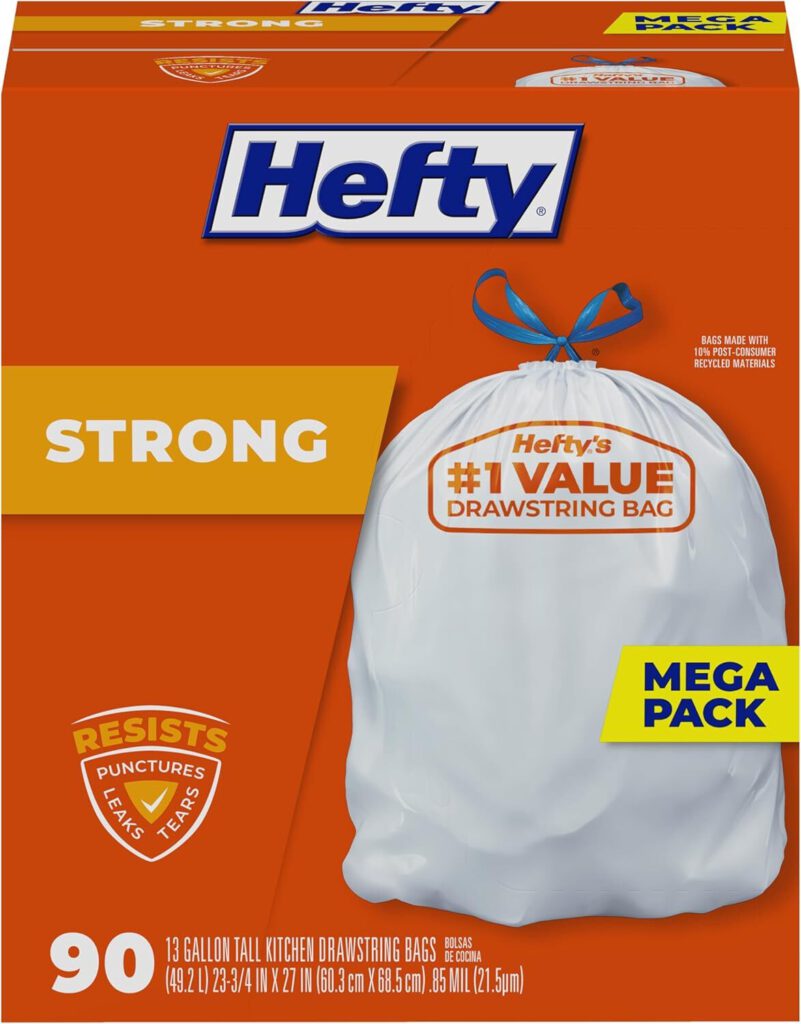
200-count boxes cost 8 cents per bag versus 30 cents at grocery stores.
Buying trash bags in bulk feels like unlocking a secret level of adulting, with a 200-count box at warehouse stores costing around $16, or about 8 cents per bag. That’s significantly cheaper than the 30 cents you’ll shell out for those tiny packs at the grocery store, which honestly, are gone faster than free samples at Costco.
Contractor-grade bags are even smarter; they often cost half as much and can handle more weight than your average kitchen bin overflow, basically the reusable shopping bag of disposable liners. Plus, these things have a shelf life longer than my desire to fold fitted sheets.
2. Spices
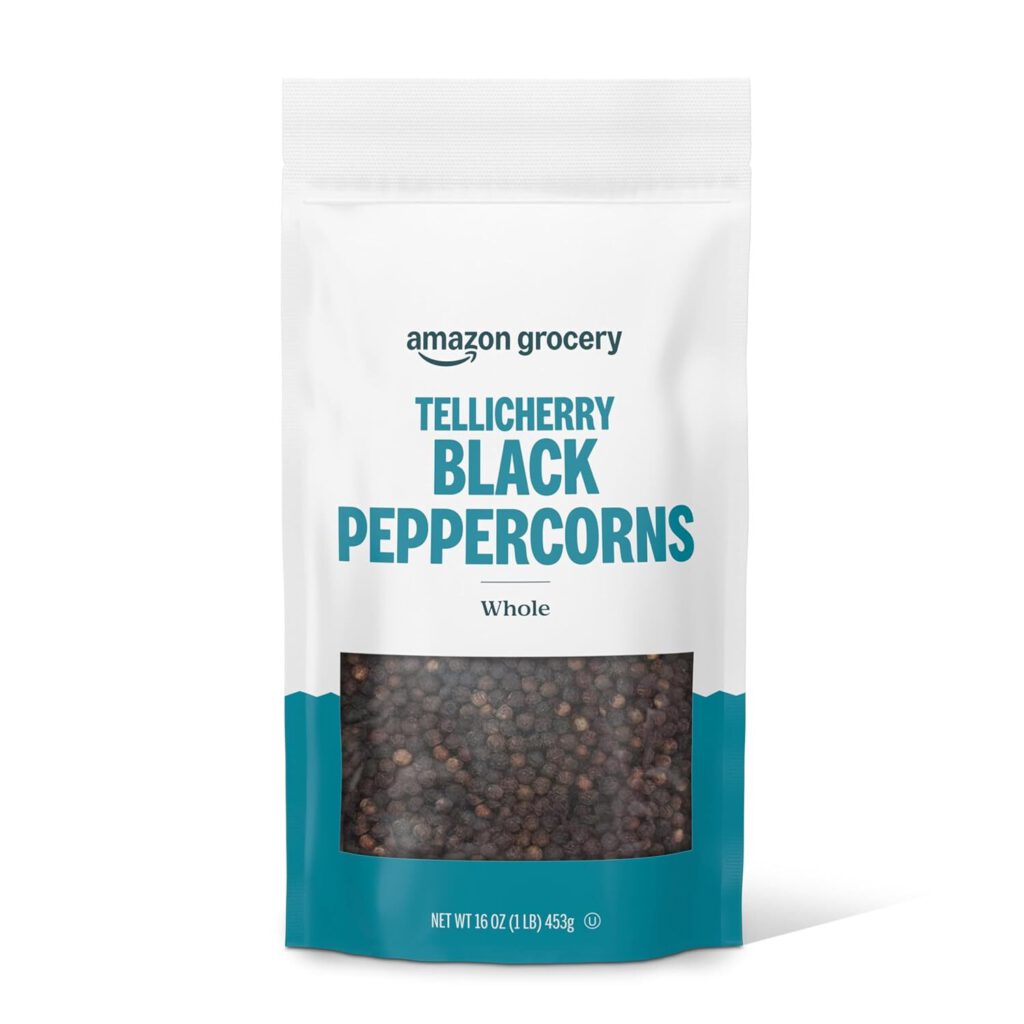
Whole spices last 4 years versus 6 months for ground versions.
Whole spices, like peppercorns, hold onto their kick for up to 4 years, while ground versions turn into flavorless dust in about 6 months. Buying in bulk, especially from ethnic grocery stores, is like finding a cheat code: you can get 10 times the amount for the same price as those tiny supermarket jars.
Black pepper, garlic powder, onion powder, paprika, and cumin are your workhorses, showing up in about 80% of home cooking. If you snag a big stash, freezing them in sealed bags is your secret weapon to keep them potent indefinitely.
1. Light Bulbs
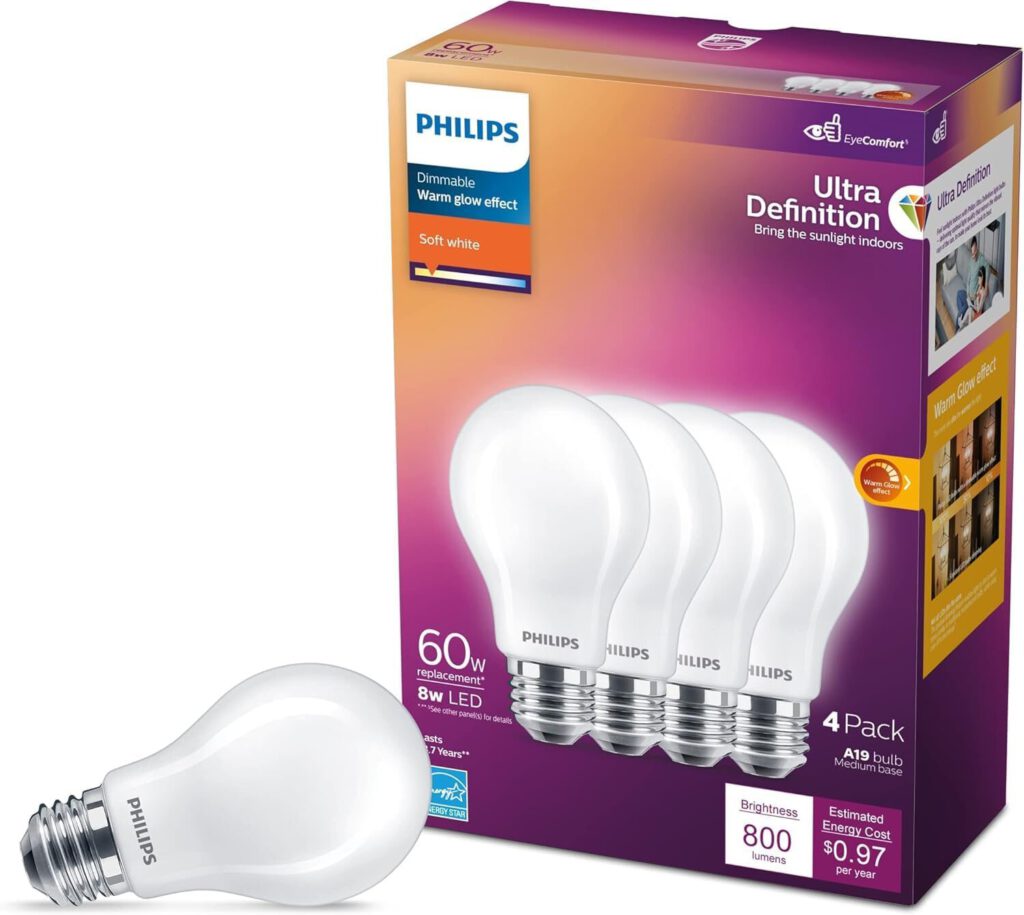
LEDs last 15-25 years and use 75% less energy than traditional bulbs.
LEDs last about 15-25 years and gobble up 75% less energy than their old-school counterparts. Think of it like trading in your gas-guzzler for an electric scooter that actually has juice for days. A 16-pack from a warehouse store will set you back around $15-$20, which sounds wild compared to the $5-$8 you’d drop on a single bulb at the corner hardware store.
Buying them in bulk also ensures your whole place looks like it was decorated by the same person, not a lighting committee that clearly couldn’t agree. It’s like finally finding that one reliable friend who always shows up on time.