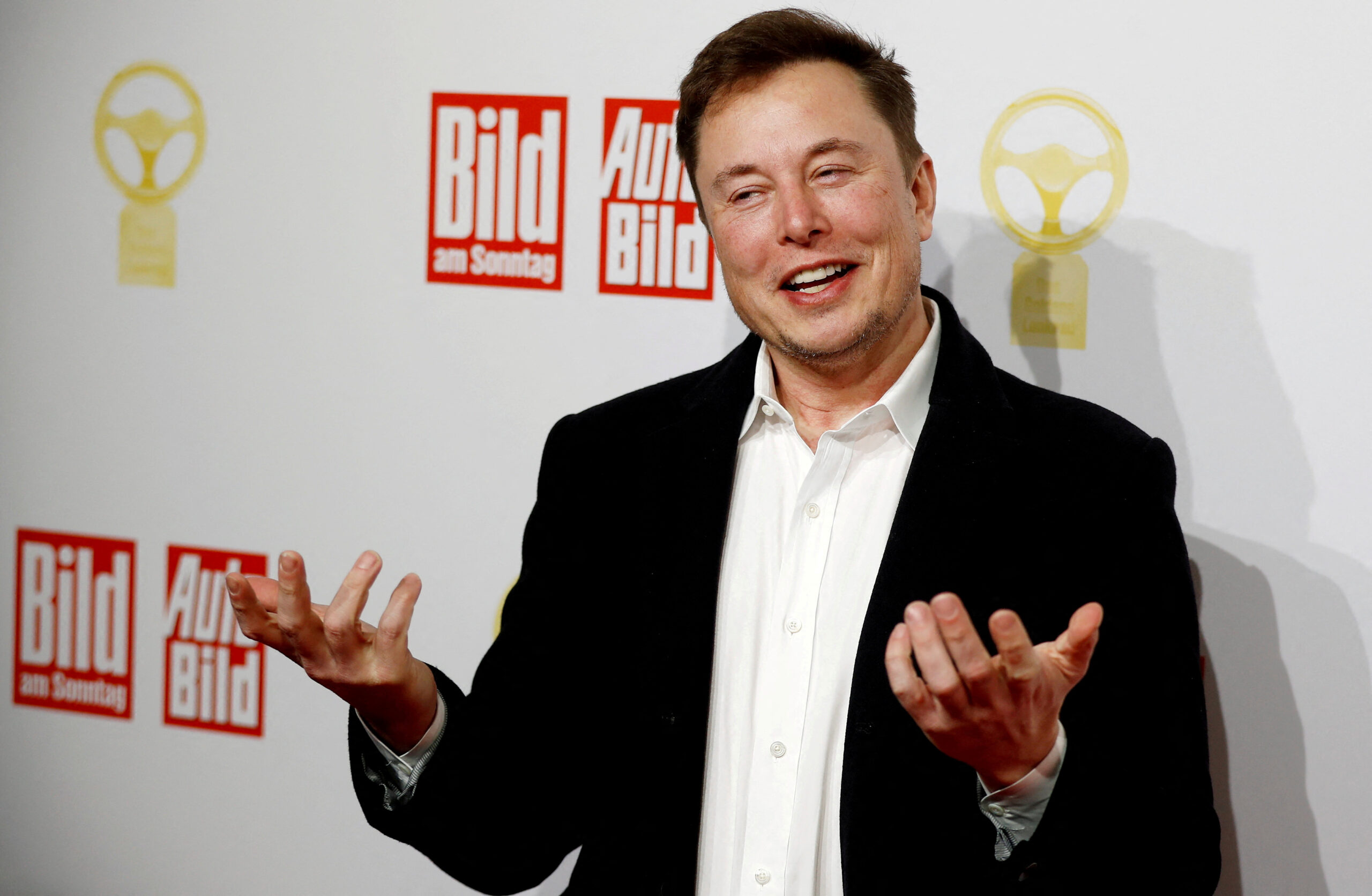
The audacity: Elon Musk stands in federal court, admitting his AI company xAI “partly” used OpenAI‘s models to train Grok—the same OpenAI he’s simultaneously suing for abandoning its nonprofit roots. When asked directly about this distillation technique during testimony Thursday, Musk didn’t deny it. Instead, he shrugged it off as standard practice across the industry.
This is like suing Netflix for ruining entertainment while secretly binge-watching Stranger Things to create your own sci-fi series. The irony would be delicious if the stakes weren’t so high for your access to affordable AI tools.
The Industry’s Open Secret Gets Exposed
Distillation techniques let smaller players leapfrog billion-dollar compute investments.
Distillation involves systematically prompting established AI models through their public APIs to train competing systems. Think of it as reverse-engineering intelligence—you feed questions to ChatGPT or Claude, analyze responses, then use that data to teach your own model similar behavior patterns.
OpenAI and Anthropic are fighting this practice, especially against Chinese firms creating open-source alternatives that undercut their premium pricing. Musk’s admission confirms what insiders suspected: even the biggest names play this game.
The technique threatens to commoditize AI capabilities that required massive infrastructure investments. Years of research become downloadable shortcuts.
Your AI Tools Just Got Cheaper (Maybe)
Competition through copying could democratize access to powerful AI models.
This revelation accelerates a trend you’re already seeing—AI capabilities spreading faster than anyone expected. When Musk ranked current AI leaders (Anthropic first, OpenAI second, Google third), he positioned his own xAI as trailing behind despite using competitors’ work as training data.
The distillation arms race means you’ll likely see more powerful AI tools at lower prices. If smaller companies can achieve near-equivalent performance without building massive data centers, the monopolistic pricing power of current AI leaders erodes quickly.
The Ethics Theater Crumbles
Musk’s safety advocacy rings hollow when caught using competitor intelligence.
Watching Musk position himself as an AI safety advocate while admitting to model distillation feels like peak Silicon Valley cognitive dissonance.
The legal gray area around distillation mirrors broader questions about AI development ethics. These companies built their models by scraping the entire internet without permission, then cry foul when competitors scrape their APIs.
Your takeaway? The AI industry’s public ethics positioning doesn’t match private competitive tactics—and that gap might just democratize artificial intelligence faster than anyone planned.