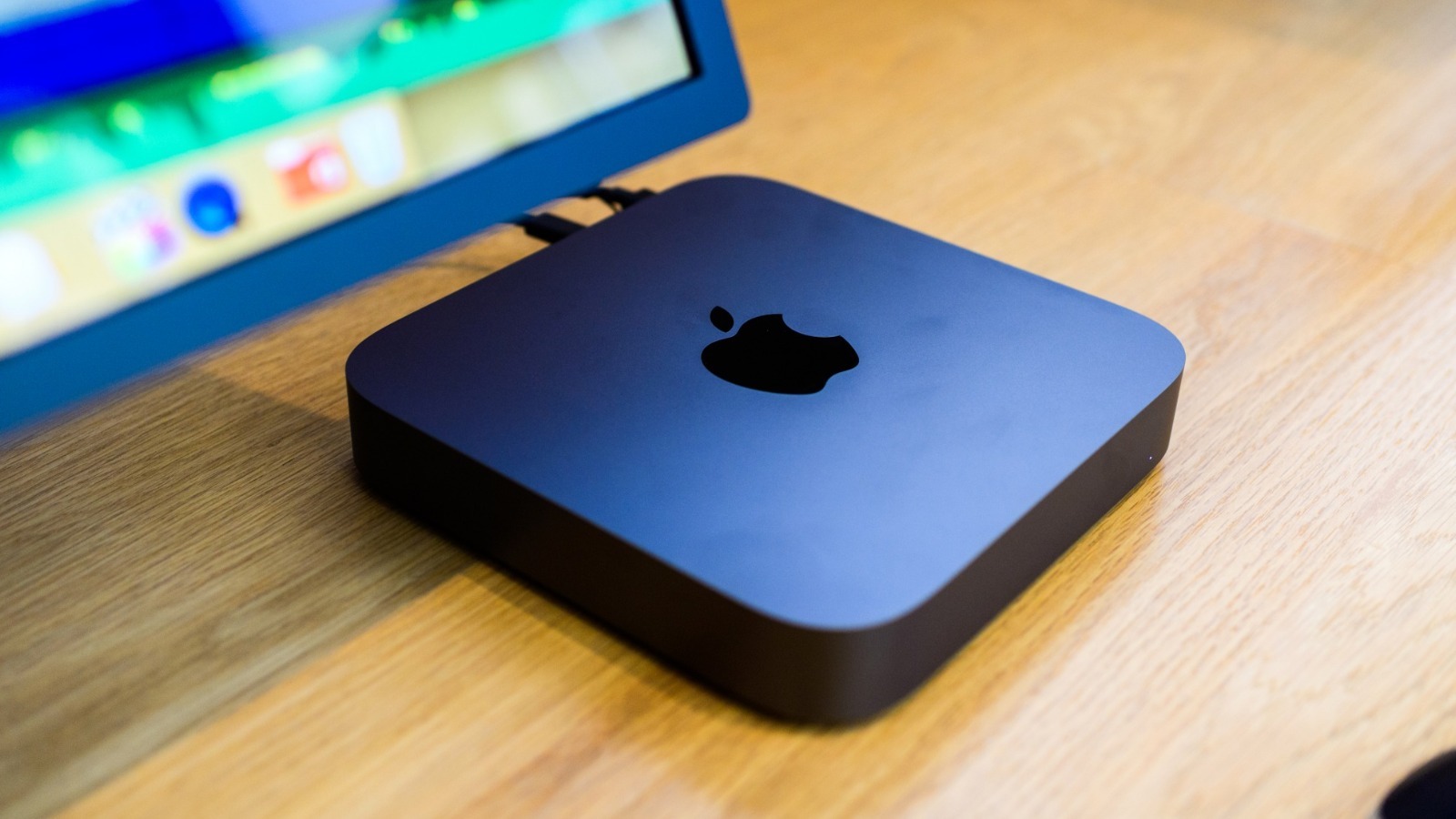
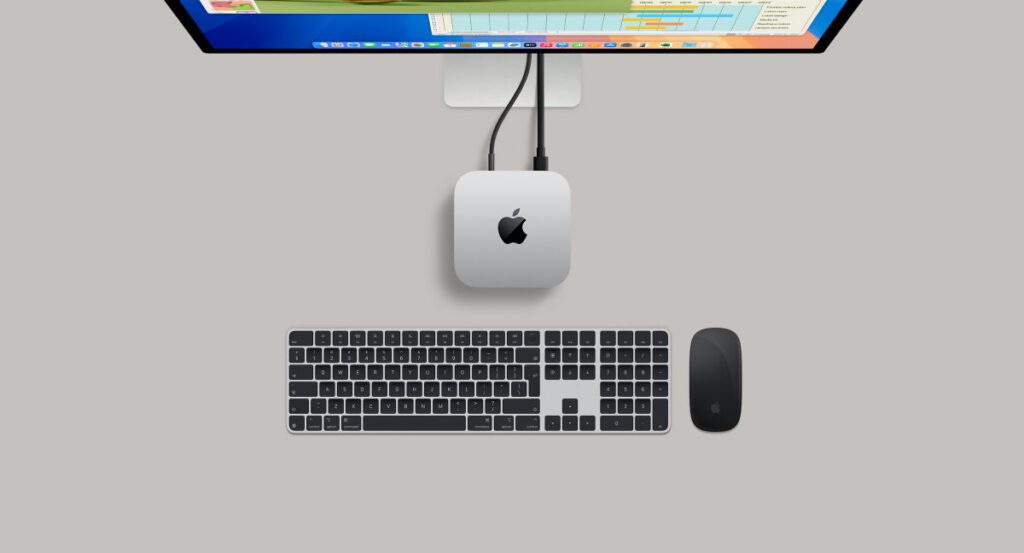
Your Mac mini shopping cart just got a reality check. Apple’s base model shows “Currently Unavailable” while high-RAM Mac Studio configurations have vanished entirely from the store. During Apple’s Q2 2026 earnings call, CEO Tim Cook delivered the news nobody wanted to hear: these shortages will persist for “several months” as the company scrambles to meet AI-fueled demand.
“Both of these are amazing platforms for AI and agentic tools and the customer recognition of that is happening faster than what we had predicted,” Cook admitted. Translation: Apple miscalculated how desperately developers and creators would want these unified memory powerhouses for local AI workloads.
The shortage extends beyond simple availability hiccups. Mac Studio models with 512GB RAM disappeared from ordering entirely, forcing power users to either wait indefinitely or settle for lower-spec configurations that might not handle their AI workloads.
The Perfect Storm Behind Mac Shortages
TSMC chip constraints and soaring memory costs create supply chain bottlenecks across Apple’s compact desktop lineup
This isn’t just another Apple launch shortage. Multiple forces converge like a tech industry version of The Perfect Storm. TSMC’s advanced manufacturing nodes remain constrained, limiting Apple’s M-series chip production. Meanwhile, memory costs surge as chipmakers prioritize AI servers over consumer devices—bad news for Macs that depend on expensive high-capacity RAM configurations.
The irony stings: Apple’s $8.4 billion Mac revenue climbed 6% year-over-year despite these constraints, proving demand exists when supply doesn’t. Even the MacBook Neo enjoys better availability with 2-3 week shipping windows, highlighting how targeted these shortages really are.
What This Means for Your Upgrade Plans
M5 refresh timeline accelerates as Apple scrambles to meet AI workstation demand
Planning your AI workflow upgrade? Adjust expectations accordingly. Current Mac Studio and mini models approach end-of-cycle status anyway, with M5 updates expected mid-to-late 2026—potentially earlier if Apple’s accelerates timelines to address shortages.
The supply crunch validates what many suspected: local AI processing is going mainstream faster than anyone anticipated. These aren’t just creative workstations anymore; they’re accessible entry points into serious machine learning work. Apple’s unified memory architecture makes even the base Mac mini competitive with expensive custom builds for certain AI tasks.
Whether you’re training models or running agentic tools, the wait might prove worthwhile if M5 delivers the performance leap these applications demand. Until then, you’re stuck refreshing Apple’s store page like everyone else.