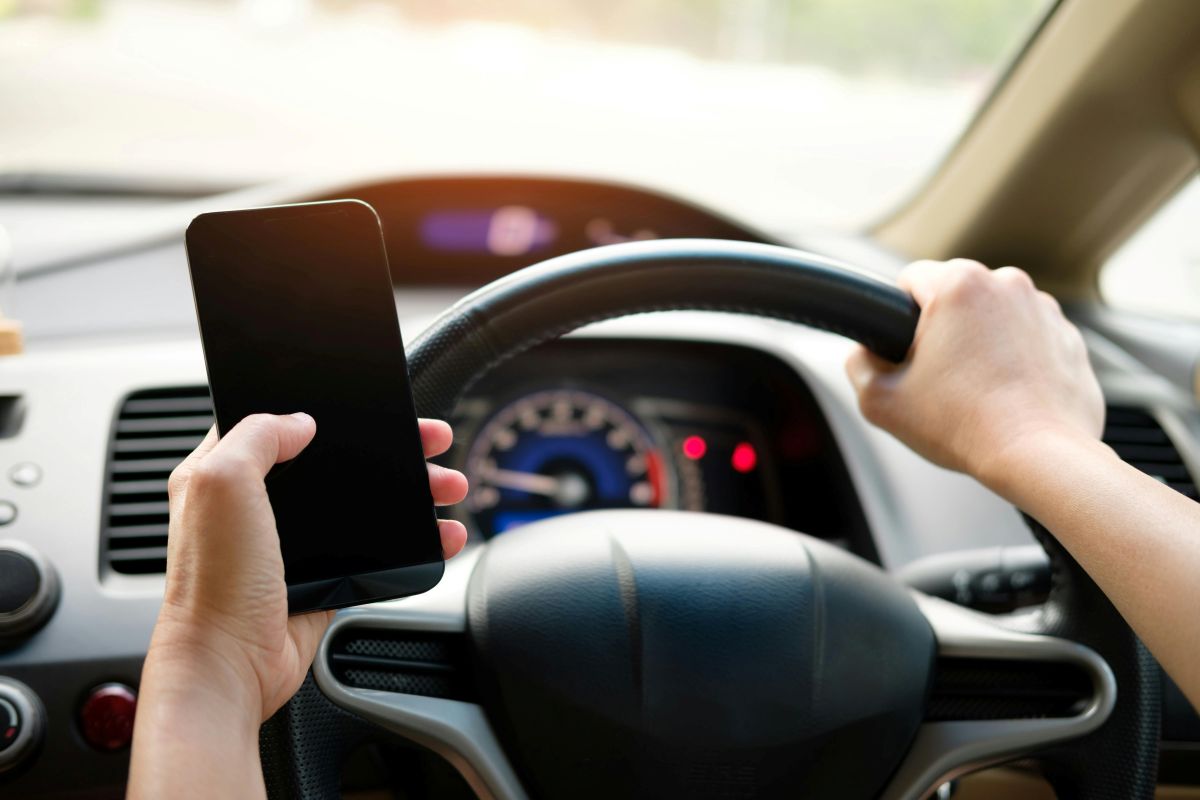
Speeding down the interstate at 80 mph should demand your full attention, but new research shows that’s exactly when you’re most likely to grab your phone. A massive analysis of nearly 600,000 car trips reveals phone handling increases 12% for every 5 mph over the speed limit on freeways—shattering assumptions that distracted driving peaks in slow traffic.
Telematics Data Exposes Hidden Driving Patterns
Insurance app data from real trips shows counterintuitive phone use habits.
The Insurance Institute for Highway Safety analyzed trips from July to October 2024, using telematics data from Cambridge Mobile Telematics’ safe-driving apps. The study tracked phone handling through gyroscope rotation patterns and matched GPS speeds against speed limit databases.
Results showed the strongest correlation between phone manipulation and speeding occurred on high-speed roads, not the stop-and-go traffic where experts expected multitasking to flourish.
Speed Limits Matter More Than Traffic Flow
Higher speed limits correlate with increased phone use while speeding.
“It’s alarming that the relationship between cellphone manipulation and speeding was the strongest on roads with the highest speed limits,” says Ian Reagan, IIHS senior research scientist. On 70 mph freeways, phone handling jumped 9% per 5 mph over the limit compared to 55 mph roads.
Surface streets showed only a 3% increase, suggesting that perceived safety in free-flowing highway traffic creates dangerous overconfidence.
Dual Risk Creates Enforcement Opportunity
Combined speeding and distraction violations could revolutionize traffic safety.
The findings challenge traditional enforcement strategies that rely on visual detection at traffic stops. “Speeding and distracted driving together are especially dangerous,” notes IIHS President David Harkey, “but this points to an opportunity to address both problems at the same time.”
Advanced safety cameras capable of detecting phone use alongside speed violations could target the most dangerous driving combinations where they actually occur—on high-speed highways. With distracted driving claiming roughly 3,100 lives annually, the study’s implications extend beyond statistics.
Future highway patrol encounters might involve technology that simultaneously clocks your speed and catches your phone in your hand. The data suggests that when you feel safest to multitask, you’re actually creating the deadliest conditions.