Your gas budget just took another hit. Oil prices climbed above $75 per barrel this week—levels not seen since July 2022—transforming routine errands into expensive calculations. What started as distant geopolitical tensions now shows up every time you fill your tank.
Price Reality Hits Home
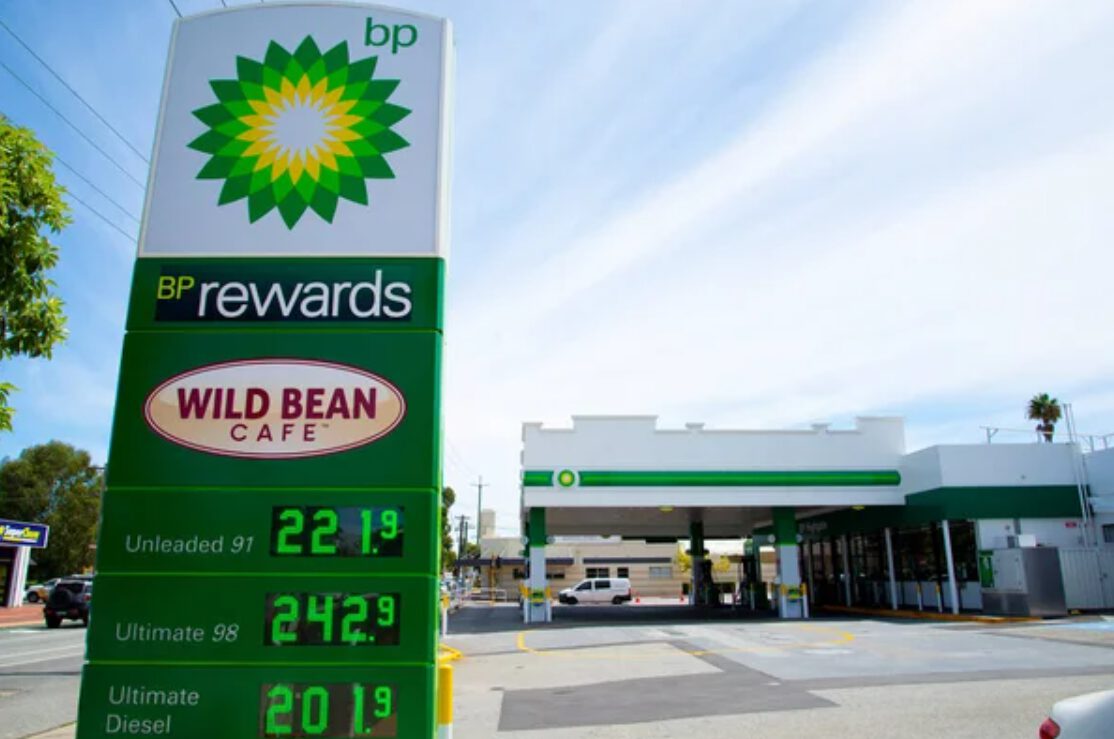
The national average for regular gasoline hovers near $3.50 per gallon, with California drivers paying closer to $4.80. These aren’t the wallet-crushing $5+ prices from two summers ago, but they represent a 25% increase since October.
Oil’s march past $75 per barrel signals that energy costs aren’t done climbing. Your monthly fuel budget—whether for commuting or weekend trips—now needs an extra $40 to $60 cushion compared to fall spending.
Wartime Economics Drive Energy Markets
Russia’s ongoing war in Ukraine continues disrupting global energy supplies. While U.S. oil production has recovered to near-record levels, international tensions create supply uncertainty that traders price into every barrel.
Middle East conflicts add another layer of market anxiety. These geopolitical pressures override typical supply-and-demand calculations, meaning domestic drilling gains can’t fully insulate American consumers from global price shocks.
Ripple Effects Beyond the Gas Pump
Energy price increases don’t stop at your fuel tank. DoorDash and Uber Eats drivers pass along higher gas costs through increased delivery fees. Trucking companies raising shipping rates means grocery stores eventually bump food prices.
Your Amazon Prime deliveries cost more to fulfill, even if you don’t see itemized fuel costs. This energy inflation behaves like a stealth tax on almost every purchase, making budgeting more complex than simple gas station math.
What Comes Next for Consumer Costs
Energy analysts anticipate oil prices remaining elevated through spring, with summer driving season potentially pushing costs higher. Smart financial planning means building extra cushion into transportation budgets rather than assuming prices will quickly retreat.
Consider consolidating trips, exploring public transit options, or adjusting discretionary driving until energy markets stabilize. Unlike pandemic supply chain issues that eventually resolved, geopolitical tensions driving current prices show no clear resolution timeline.