Same spot. Every time. Your podcast drops out for a second or two, reconnects, and you keep driving. Easy to dismiss as a glitch — until you notice it happens at the exact same intersection, near the same roadside pole. That observation might be RF interference, or it might be nothing. But the hardware increasingly mounted on those poles is doing something far more deliberate with the wireless signals your car and devices broadcast constantly. The dropout is the footnote. The real story is what’s reading your devices.
Beyond the License Plate Reader: The Sensor That Knows Your Devices
Roadside surveillance has quietly expanded beyond plates — a second layer of hardware is now harvesting the wireless signals your devices broadcast every time you drive past.
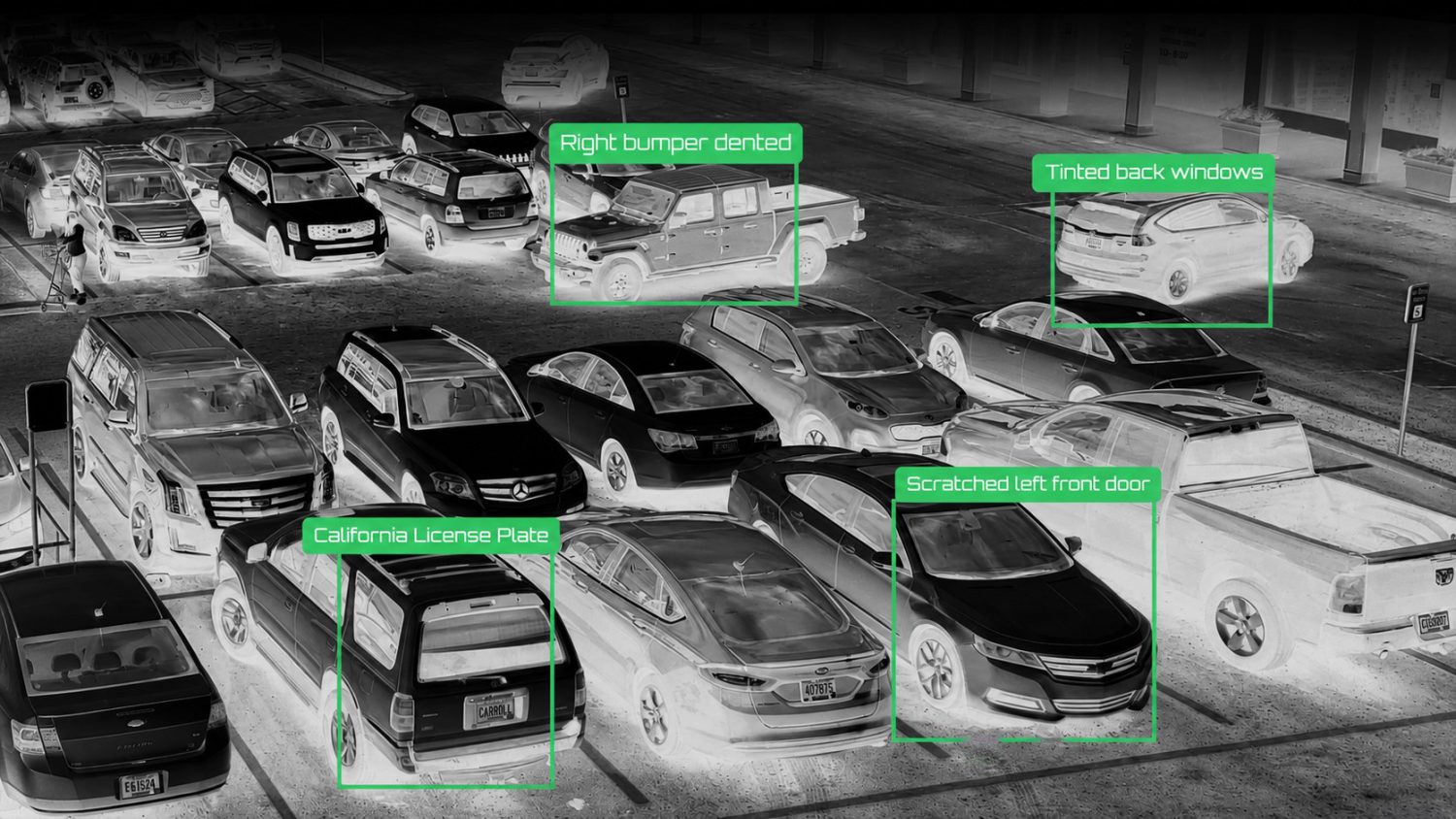
Flock Safety ALPR cameras are the ones you’ve probably heard about — license plate readers deployed across thousands of American cities, logging plates, timestamps, and vehicle descriptions. SignalTrace is different. Made by Leonardo S.p.A., an Italian aerospace and defense contractor, it’s a separate sensor explicitly marketed as an “electronic signal intelligence” add-on that bolts onto existing ALPR infrastructure. Flock cameras have no documented capability to log consumer device signals. SignalTrace — a different company’s product, mounted on the same poles — does exactly that.
Here’s what SignalTrace actually captures as your car passes:
- Bluetooth, Wi-Fi, RFID, tire-pressure sensors, and vehicle infotainment radios
- A correlated “electronic fingerprint” — a device cluster that consistently travels together
- That fingerprint tied to license plate records and timestamped location data
- The same cluster tracked across different vehicles, even if plates are changed or removed
- All of this with no explicit federal law currently prohibiting the warrantless scanning
On the Bluetooth dropout: Flock cameras do contain Bluetooth and Wi-Fi radios, used for internal diagnostics, operating in the same congested band as car audio and wireless CarPlay. RF interference near dense roadside equipment is real. But no controlled study has directly confirmed that these specific units cause the brief dropouts drivers report. Treat it as credible and anecdotal — not engineering fact.
Privacy analysts covering the SignalTrace deployment describe the system as making your phone the functional equivalent of a license plate — unique Bluetooth and Wi-Fi identifiers can track you even when plates or faces are obscured.
What You Can Actually Do About It
The mitigations aren’t glamorous, but they’re grounded in how the system actually works.
Carrying Bluetooth devices in your car — and you do — means your wireless signals are potentially in play every time you pass one of these poles. Turn Bluetooth off when you’re not actively using it. Modern phones offer MAC address randomization, which masks your Wi-Fi identifier from passive scanners. Wired CarPlay or AUX sidesteps wireless dropout entirely in RF-dense corridors. And if your dropouts consistently map to specific intersections, log them — that pattern is exactly the kind of data that drives future investigation and local policy pressure.
The Bluetooth glitch is almost beside the point. What’s being built on American roadsides is infrastructure designed to read not just your plates, but the entire constellation of devices you carry — your phone, your watch, your car’s own radios. Like Spotify Wrapped revealing a year of listening you didn’t think you were broadcasting, your daily commute is quietly assembling a profile of secretly tracking users without their knowledge. There are currently no federal rules governing what happens to that data once it’s collected.