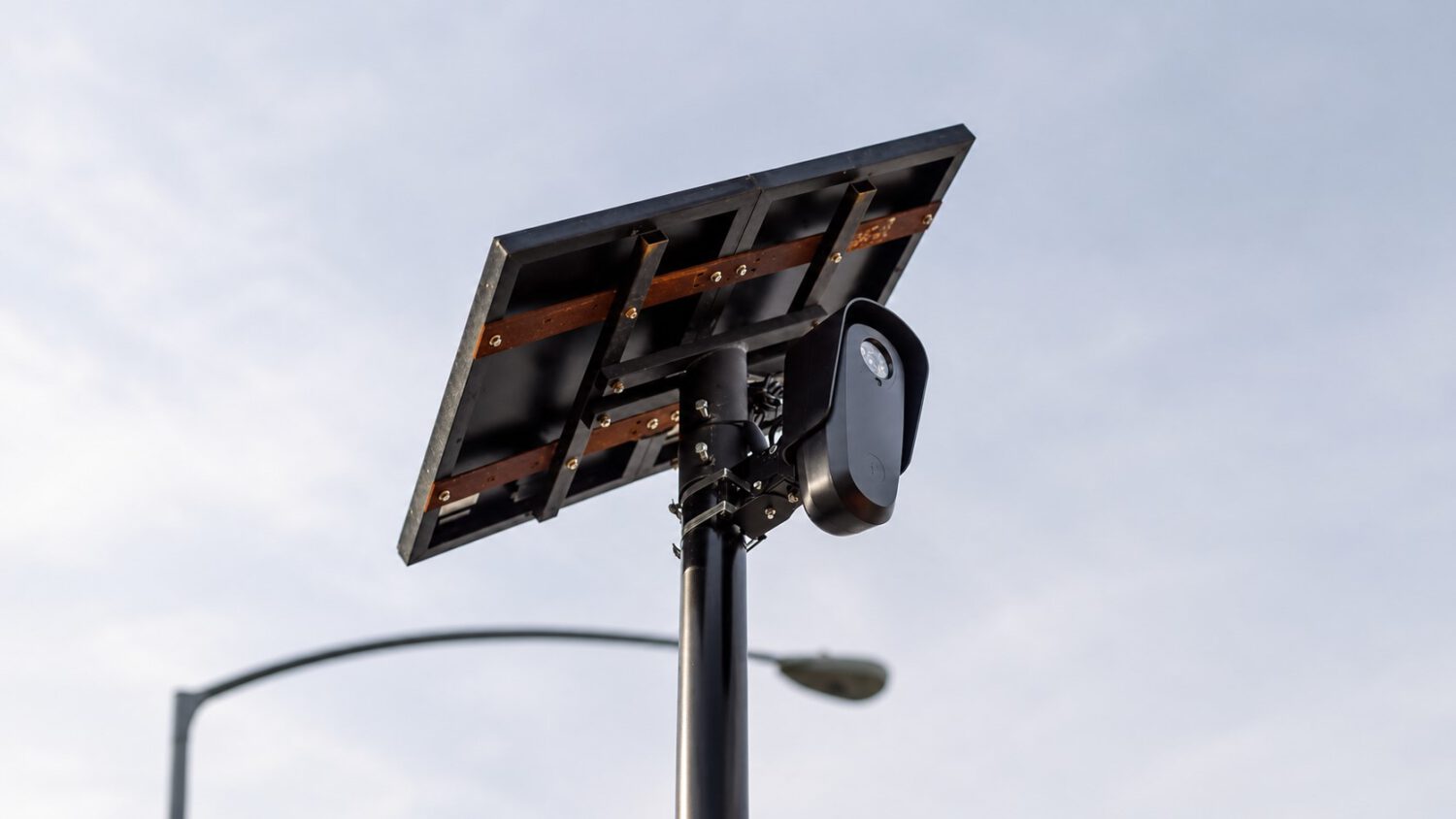
Pennsylvania’s House of Representatives passed House Bill 2771 by a 190–13 margin, sending a detailed regulatory framework for automated license plate reader cameras to the Senate for consideration. The bill is one of at least nine proposals, according to Spotlight PA, ranging from an outright prohibition of Flock Safety networked systems to narrowly scoped regulations.
The central disagreement is not simply about cameras. It is about whether your daily commute should generate a searchable, shareable movement record without any individualized suspicion required.
What the Proposals Say
Pennsylvania lawmakers have introduced competing measures that span the full distance from total prohibition to structured oversight.
Sen. Dan Laughlin announced legislation targeting networked ALPR systems specifically, exempting ordinary security cameras and vehicle-mounted plate readers used by officers in the field.
Sen. Doug Mastriano’s proposal, reported by the Pittsburgh Post-Gazette, would prohibit routine, suspicionless tracking while preserving defined investigative uses: stolen vehicles, missing persons, wanted individuals, and active criminal investigations.
According to City and State PA, Sen. Lisa Boscola targets personal and unauthorized ALPR use while preserving legitimate public-safety purposes. Reps. David Rowe and Josh Bashline want warrants, shorter data retention, required camera signage, and local moratorium authority. Rep. Tarik Khan’s version adds civil penalties enforceable by the state attorney general and district attorneys.
HB 2771 in Detail
Warrants, 72-hour deletion, and a facial-recognition ban sit at the center of the leading bill.
Rep. Jennifer O’Mara’s bill limits ALPR use to law enforcement, certain parking enforcement, and access control for secured facilities. Personal, political, and commercial use would be prohibited outright.
Data must be deleted within 72 hours unless it is connected to a qualifying investigative hit; data tied to a qualifying hit may be retained for an additional seven days for investigation. Accessing or sharing any captured data requires a probable-cause warrant.
The bill mandates end-to-end encryption and bans facial recognition software. Audit logs must be accessible under Pennsylvania’s Right-to-Know Law, according to the ACLU of Pennsylvania‘s bill summary.
Existing automated traffic enforcement cameras, covering school buses, red lights, speeding, and toll collection, are exempt from the bill’s provisions.
Where the Governor and Flock Safety Stand
Shapiro signals openness to a ban; Flock Safety draws a line at prohibition.
The administration told the Philadelphia Inquirer that Pennsylvania State Police and PennDOT do not own Flock cameras and will not permit them on Commonwealth property. Shapiro cited serious privacy concerns and said he was open to legislation, including a possible ban.
Flock Safety told the Pittsburgh Post-Gazette it would cooperate with oversight legislation but opposes a complete prohibition of its technology.
What Happens Next
The Senate will decide whether to adopt HB 2771 or one of the competing ban proposals.
The Senate’s handling of HB 2771, alongside the fate of the competing ban proposals, will shape Pennsylvania’s approach to networked ALPR systems. The outcome will determine whether the state prohibits them entirely or sets a regulatory floor that local governments can raise on their own.
If you drive in Pennsylvania, the legislation could affect whether and under what conditions your daily route may be retained or shared in a law-enforcement database. Residents pushing for a full statewide prohibition can find an advocacy campaign at BanMassSurveillance.com, though that effort represents an surveillance app advocacy position, not the current state of any legislation.