Gaming’s latest battleground isn’t about frame rates or resolution—it’s about authenticity. Nvidia’s DLSS 5 has sparked fierce debate over whether artificial intelligence should reshape how games look, creating a community divided between technical progress and artistic integrity.
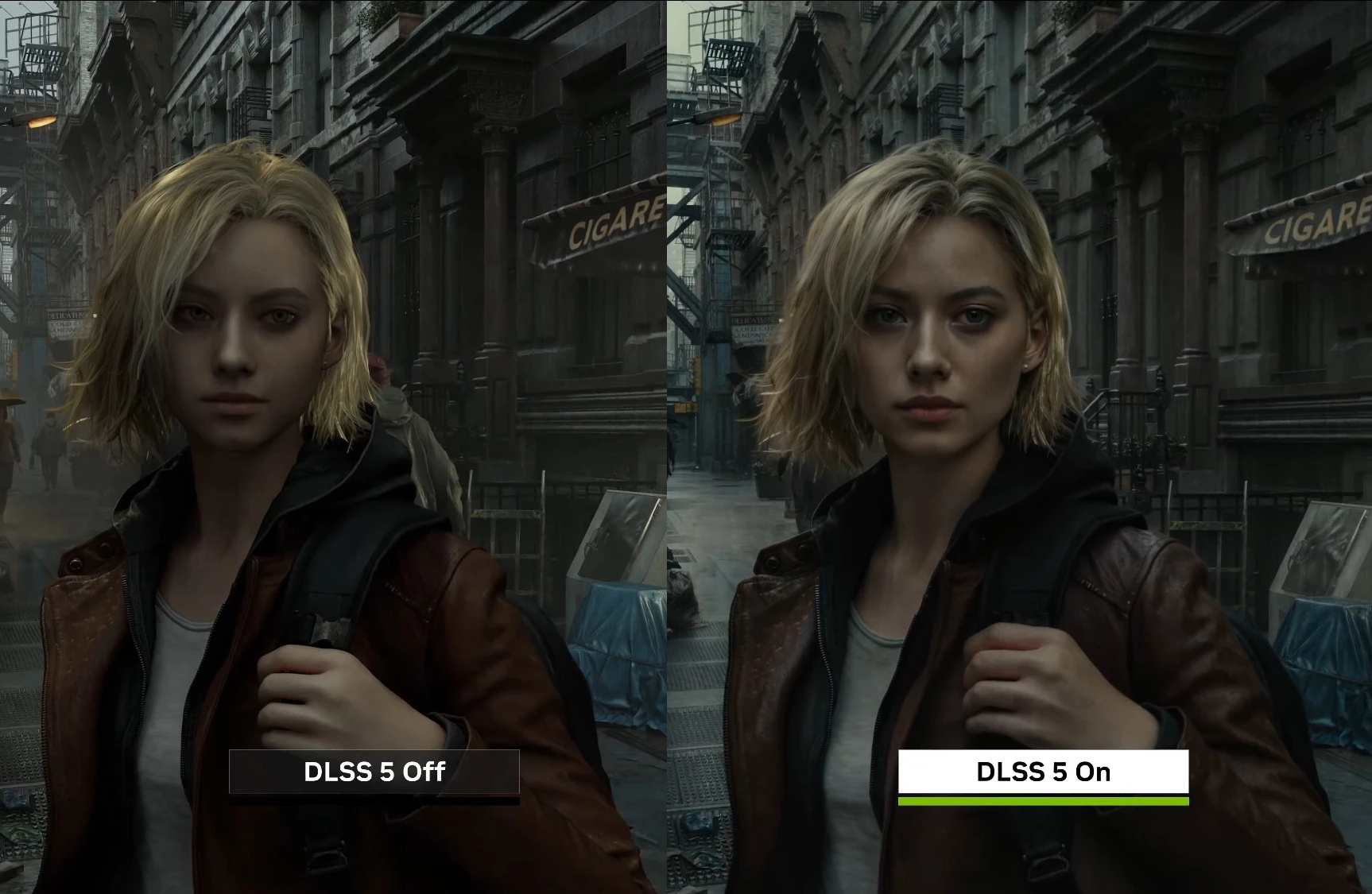
The technology represents a significant shift from previous DLSS versions. Rather than simply upscaling existing pixels, DLSS 5’s generative approach means your GPU makes creative decisions about how characters should look. Studios worry their carefully crafted character designs become suggestions rather than definitive artistic statements.
Community response reveals fundamental tension between technical advancement and creative integrity. Online discussions overflow with side-by-side comparisons showing how the AI processes character appearances. Your favorite protagonist might return with subtly different facial features, processed through algorithms rather than crafted by artists.
The technology doesn’t just enhance existing visuals—it generates new ones. Some results produce character models that drift noticeably from developers’ original artistic vision, raising questions about whether technological enhancement crosses into creative replacement.
Developer Concerns Mount
Game studios express unease about losing artistic control to AI systems.
Game developers face growing uncertainty about maintaining creative authority over their work. Unlike previous enhancement technologies that preserved original artistic intent, DLSS 5’s generative capabilities mean AI algorithms actively participate in shaping visual outcomes.
This mirrors broader entertainment industry tensions around AI-generated content, from automated script writing to algorithm-created concept art. Gaming confronts the same question plaguing Hollywood: when does technological enhancement become creative replacement?
What This Means for Your Gaming
Players must choose between cutting-edge performance and preserving artistic authenticity.
You’re caught between wanting cutting-edge performance and preserving the artistic vision that makes games memorable. That perfectly rendered sunset looks stunning, but if AI algorithms modified the character experiencing it, does the moment feel authentic?
Some players report impressive performance improvements while maintaining visual quality. Yet the character model alterations remain jarring enough that others disable the feature entirely, choosing lower performance over AI-modified appearances.
The gaming community’s split reaction suggests success won’t be measured purely in technical benchmarks, but in whether players accept AI as a creative collaborator in their favorite virtual worlds.