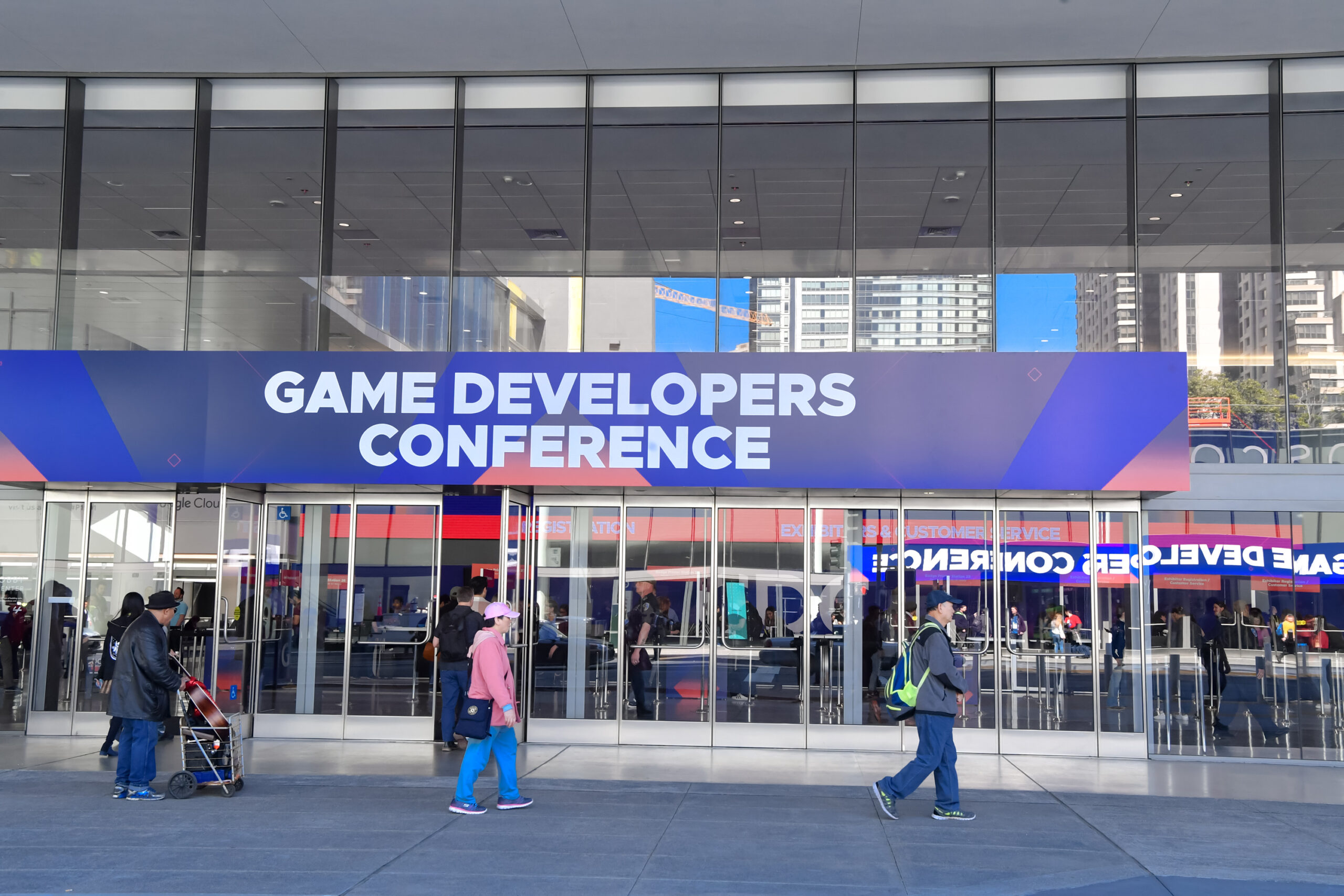
Your average indie game developer from Barcelona or Toronto is weighing a trip to San Francisco. The networking could launch careers. The sessions might spark breakthrough ideas. But then comes the darker calculation: Is professional advancement worth potential detention at the border, phone searches, or worse?
This year’s Game Developers Conference faces an unprecedented international boycott. “I honestly don’t know anyone who is not from the US who is planning on going,” says Emilio Coppola from Spain’s Godot Foundation, according to Ars Technica. The sentiment echoes across studios from France to Canada, where developers are choosing safety over career opportunities at gaming’s premier networking event.
Border Roulette Gets Personal
The fears aren’t theoretical. Neha Patel from Pamplemousse Games faced intrusive questioning at customs in 2025, while French-Lebanese developer Nazih Fares now worries about arrest over his political views, according to Ars Technica. Trans developers like Felix Kramer describe a perfect storm of ID complications and heightened profiling. Even seasoned traveler Rami Ismail notes how scrutiny once reserved for Arab visitors now affects his “white friends” too.
GDC’s Safety Theater vs. Street Reality
GDC organizers tout safety hotlines, legal prep advisories, and claims of strong 2025 international turnout matching “previous cycles.” Yet developers see through the corporate speak. Eline Muijres from Netherlands-based Cohop Games puts it bluntly: “It doesn’t feel safe for me,” according to Ars Technica. The disconnect between official optimism and developer experience reveals an industry event struggling to acknowledge its own accessibility crisis.
The Networking Fallout
This isn’t just about missing panels or awards ceremonies. Game development thrives on international collaboration—indie studios in Manchester partnering with publishers in Montreal, or European artists joining American teams. When fear keeps global talent away from GDC’s hallways, the entire ecosystem suffers. Alternative events in Canada and Europe gain appeal, but they lack GDC’s unique concentration of industry power players.
The irony cuts deep: an industry built on connecting global audiences now sees its premier gathering fragment along national lines. As developers explore productivity tools for remote collaboration and consider packing essential travel gear for safer alternatives, 2026’s attendance numbers will tell the real story. The metric won’t be total bodies at Moscone Center—it’ll be measuring which voices chose silence over risk.