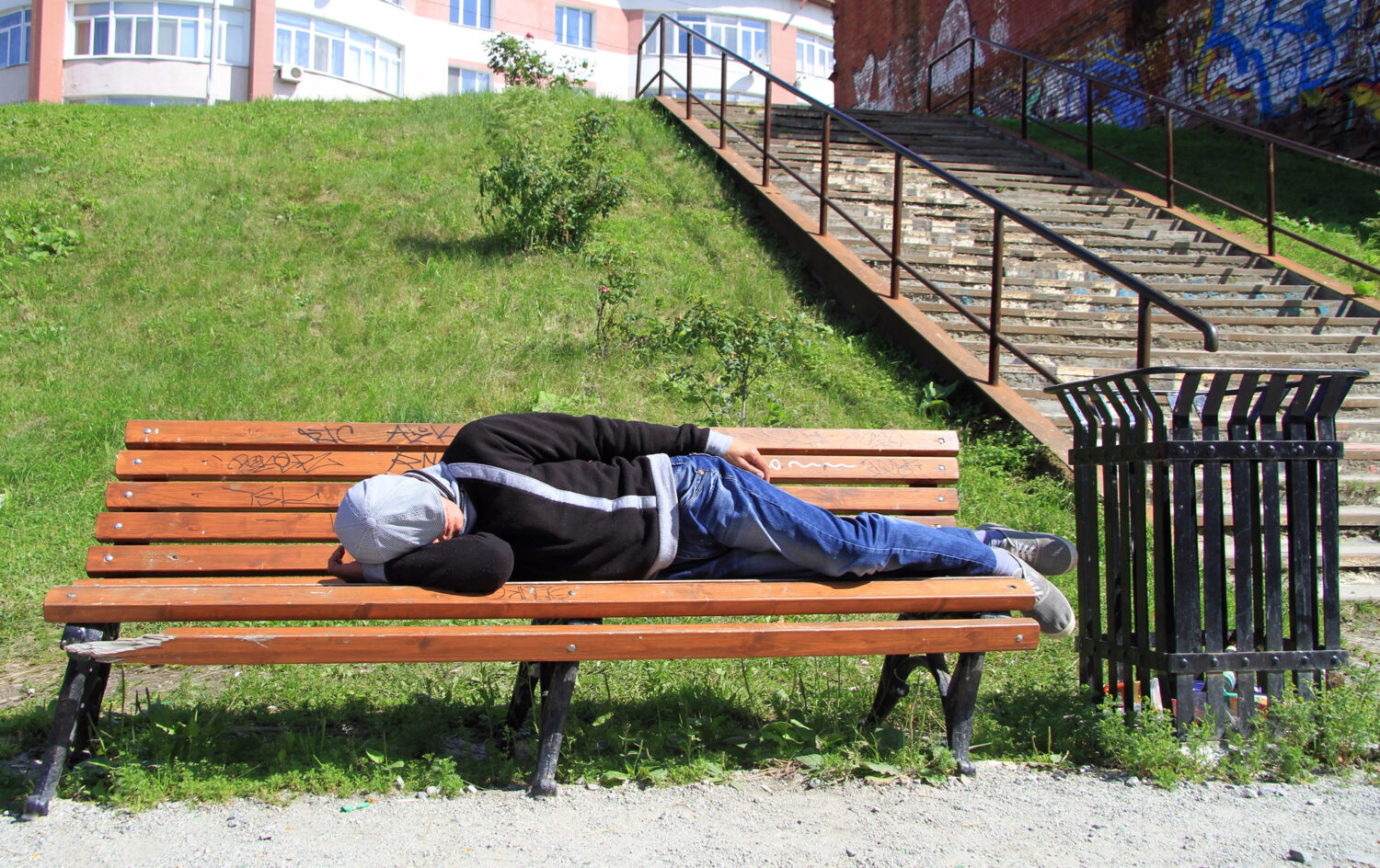
Starting in spring 2013, residents of Kalachi, a village of roughly 600 people in northern Kazakhstan, began falling unconscious without warning and remaining asleep for days at a time. Some woke reporting hallucinations. Others couldn’t remember what had happened to them. Children, adults, and elderly residents were all affected.
You’d expect a village-wide medical mystery to have a clean answer by now. More than a decade later, the explanation remains contested, and the mechanisms proposed by different investigators are scientifically distinct enough that treating them as interchangeable misrepresents what actually happened. This kind of unresolved case echoes other historical puzzles, such as the search for a lost civilization once thought beyond reach of modern inquiry.
The Documented Reality
The episodes went far beyond fatigue, and the symptoms shaped every theory that followed.
The episodes were not ordinary drowsiness. Residents fell into prolonged unconscious states lasting days, sometimes close to a week according to some reports, with no immediate identifiable trigger.
Kalachi was not alone. The neighboring village of Krasnogorsk reported cases as well, which made a single-household explanation far less plausible. By 2015, case estimates ranged from roughly 60 to 120 reported cases, reflecting different reporting periods and case definitions rather than a single reliable count. At the higher end, that figure represents approximately one-quarter of Kalachi’s population, according to the Moscow Times.
Residents described weakness, confusion, memory problems, and a persistent exhaustion that lingered well after consciousness returned. Hallucinations were reported by residents and across multiple media accounts, including BBC coverage of the illness.
What the Mine Did and Didn’t Explain
Radiation wasn’t supported by the data. The gases the abandoned mine left behind became the leading official theory.
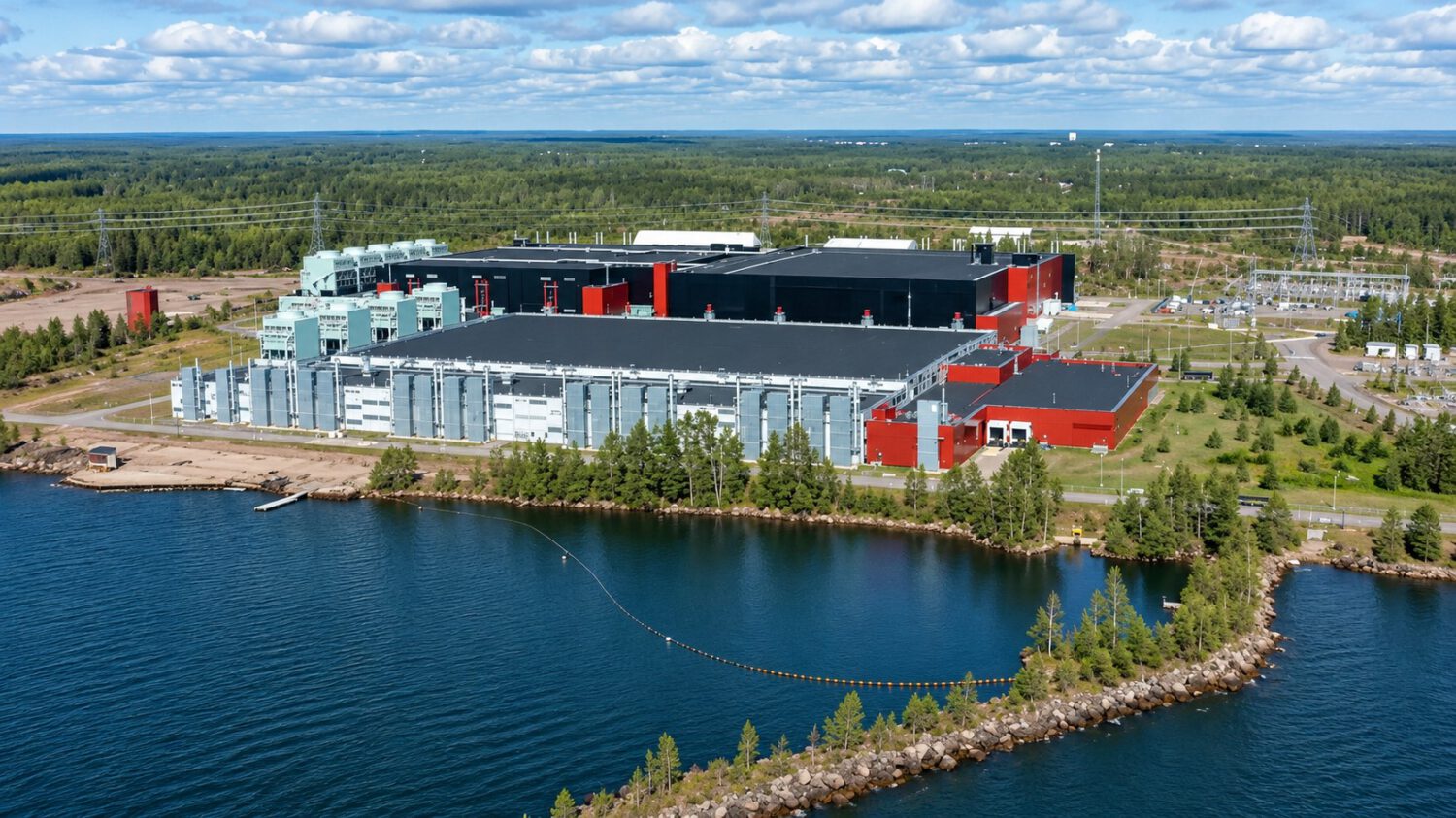
The abandoned Soviet-era uranium mine near Kalachi was the first and most persistent public theory, given its proximity to the affected villages. Reported testing, however, did not find radiation levels sufficient to explain the illness. Uranium radiation is not supported as the cause by the available measurement data, and that distinction matters: radiation exposure and other mine-related hazards, such as atmospheric gas changes or groundwater contamination, are entirely different mechanisms with different health implications.
Radon appeared in some investigations at elevated levels. According to reporting by the Moscow Times, those findings did not adequately account for the illness.
In 2015, Kazakh officials announced a preliminary explanation involving carbon monoxide, hydrocarbons, and reduced oxygen levels. The proposed mechanism, as reported by the Astana Times, involved gases generated by flooded, abandoned mine workings reaching the surface and displacing breathable air. Monitoring by Kazakhstan’s National Nuclear Center confirmed periods of elevated carbon monoxide, hydrocarbons, and unstable oxygen concentrations, with symptoms becoming more frequent during those periods. The Center framed the hazard specifically as a post-abandonment gas problem rather than a radiation risk from uranium deposits, shifting the category from radioactive contamination to atmospheric gas exposure with different implications for testing, treatment, and remediation.
The official explanation was reported as a preliminary assessment, and the available evidence supports an association and a proposed mechanism rather than exclusive, proven causation. A separate research team from Nazarbayev University later proposed a different hypothesis: a statistical model suggesting chemical contamination of shared groundwater, possibly linked to mining waste rather than airborne gases. The team acknowledged the model could not be conclusively confirmed without physical access to the mine workings. This is a competing hypothesis based on different evidence, not a refinement or replacement of the official explanation.
Why the Question Stays Open
Proximity to a hazard is not causation, and the timeline of recovery adds no certainty.
The documented phenomenon was real. The cause was not settled. Recent advances in neuroscience , such as work on frozen brain tissue , underscore how much remains unknown about prolonged unconscious states and their underlying mechanisms.
Proving environmental causation requires more than a plausible nearby source. Investigators need reliable exposure measurements taken during active episodes and a clinical link between a specific exposure and the observed symptoms. The mechanism must also account for the timing, geographic spread across two villages, and the eventual disappearance of cases.
The gas hypothesis carries more direct environmental monitoring support than the groundwater hypothesis, but neither has established exclusive causation. The groundwater hypothesis remains explicitly unconfirmed by its own authors.
Episodes reportedly declined and stopped as officials relocated residents. Whether relocation removed an active exposure source, interrupted a seasonal pattern, or simply coincided with the end of reported cases is not established by the available evidence, according to Nazarbayev University’s reporting on the investigation.
What Kalachi actually demonstrates is the gap between an official announcement and scientific resolution. Carbon monoxide, hydrocarbons, oxygen depletion, and contaminated groundwater involve different exposure pathways, different clinical predictions, and different measurements and testable predictions. Announcing a leading explanation is not the same as closing a case. For the residents of Kalachi, and for anyone trying to understand what actually happened there, that distinction still has no clean answer.