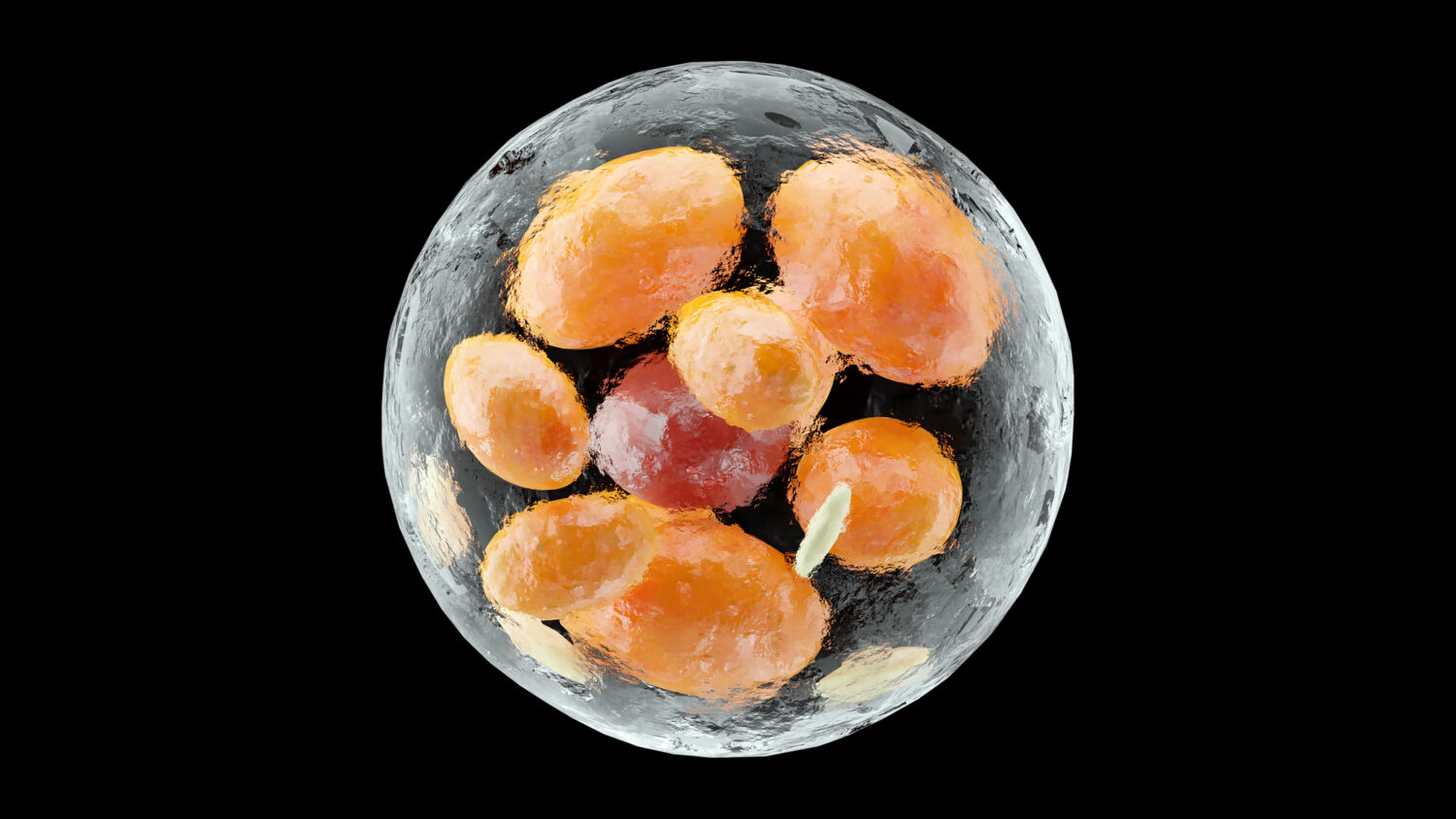
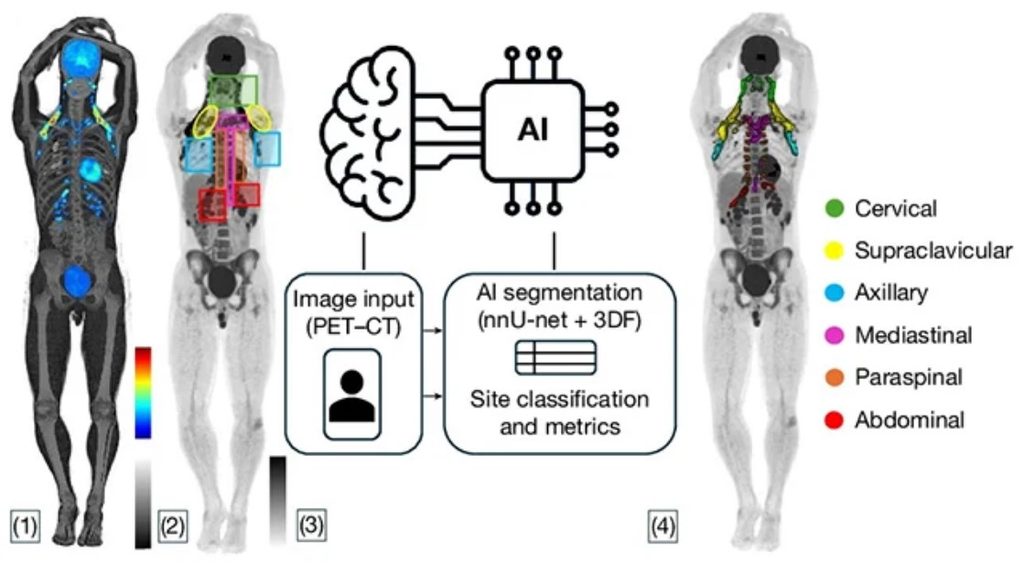
Most adults retain some brown fat, but its activity tends to decline with age. A study published in Nature in October 2026 by researchers at Rockefeller University and Memorial Sloan Kettering Cancer Center analyzed PET/CT scans and medical records from 101,243 adults using an AI detection tool. Participants with detectable brown fat had lower recorded prevalence of type 2 diabetes, heart disease, anxiety, and depression than matched participants without it.
Brown Fat vs. White Fat: What the Difference Actually Means for You
Brown fat burns energy to generate heat; white fat stores it, and understanding the difference is the first step to grasping why this research matters.
White fat stores energy. Brown fat burns it through a process called thermogenesis, and its activity generally declines as you get older.
The AI tool scanned PET/CT records to identify detectable brown fat across multiple anatomical regions, including the neck, armpits, chest, spine, and abdomen. The axillary, or armpit, region showed particularly strong associations with better health outcomes, according to the study’s research materials.
Participants with detectable brown fat were less likely to have type 2 diabetes or heart disease than matched participants without it. They also had lower recorded rates of anxiety and depression.
Greater apparent brown fat activity was generally linked with stronger health associations. The mental health finding was notable and, based on the NIH summary, points to biological links researchers say warrant further investigation.
Here is the essential caveat: this is a retrospective observational study. It identifies associations, and it cannot prove that brown fat prevents keto diet-adjacent metabolic conditions like diabetes, heart disease, anxiety, or depression.
A Blood Pressure Drug as an Unlikely Candidate
People already taking a common blood pressure drug were more likely to show detectable brown fat on their scans, which sent researchers to the laboratory for a closer look.
People taking angiotensin receptor blockers, the drug class that includes losartan, were more likely to show detectable brown fat on their scans. That pattern prompted follow-up experiments.
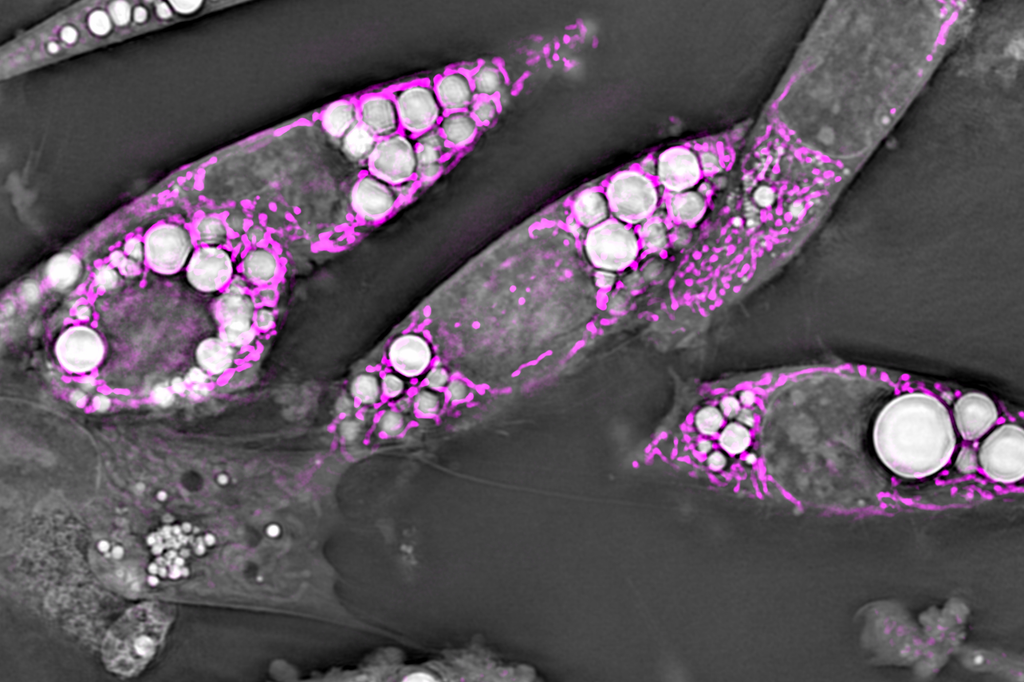
In cultured brown fat cells, losartan directly increased metabolic activity. In mice, it raised energy expenditure, oxygen consumption, and carbon dioxide production, all markers of increased metabolism. The animals did not lose weight.
The brown fat effect appears to operate through molecular pathways separate from losartan’s established blood-pressure mechanism. That distinction raises the possibility that researchers may eventually develop targeted therapies that activate brown fat without lowering blood pressure in people who don’t need that effect, though designing such a drug remains hypothetical.
What the Study Cannot Tell You Yet
The findings are built on observational data and animal experiments, which means several important questions remain unanswered before this translates to clinical practice.
No one was randomly assigned losartan to test its brown fat effect in a controlled trial. The cell and mouse results have not been replicated in a human clinical study.
Because the data came from a cancer center, with more than three-quarters of participants being women, how broadly these findings apply to the wider population is limited. Mice also depend on brown fat for thermoregulation far more than adult humans do, so a metabolic effect in mice does not guarantee a meaningful clinical effect in people.
Losartan is not approved or recommended for weight loss, brown fat activation, anxiety, or depression. If you currently take losartan for blood pressure, do not stop or adjust your medication based on this study. Any change should involve a qualified clinician.
The research is credible and points toward a genuinely interesting direction for future investigation. Next steps would include replication in more diverse populations, controlled human trials, and a clearer picture of how brown fat connects to mental health. Worth watching closely, but not yet worth a call to your doctor.