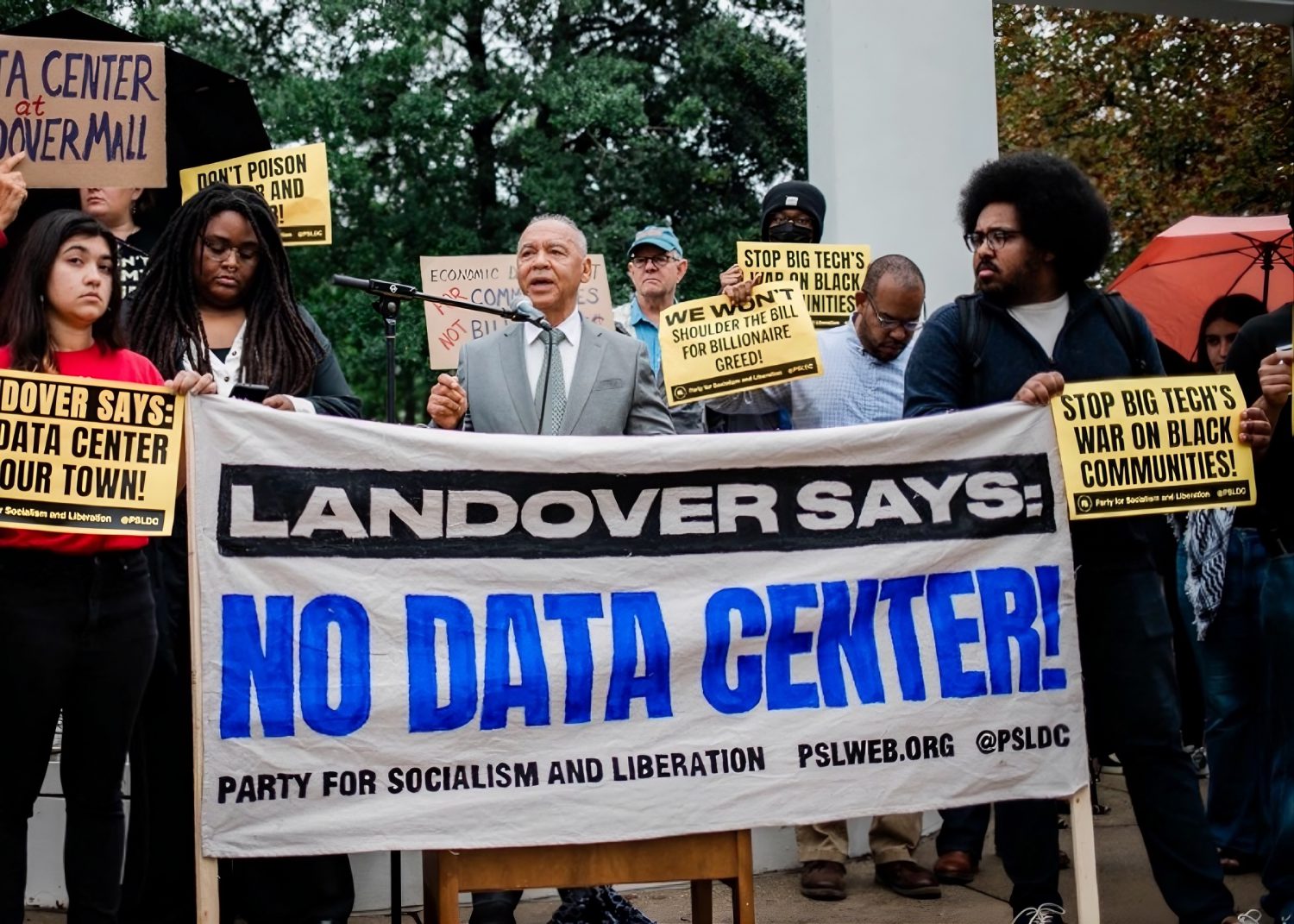
McKenna Cobb left a Nebius open house “with a lot to worry about” — water quality, electricity prices, a councilman who didn’t have convincing answers. She filed a recall petition, and 1,214 First District neighbors quickly followed, enough to force a September 1, 2026 special election costing the city $164,400. All because of one vote on one data center deal. This is what the AI infrastructure boom looks like at street level — and it’s arriving at city hall long before November.
A $6.2 Billion Tax Break That Lit the Fuse
The numbers behind Independence’s Nebius deal explain why residents went straight for the recall process rather than waiting out the election cycle.
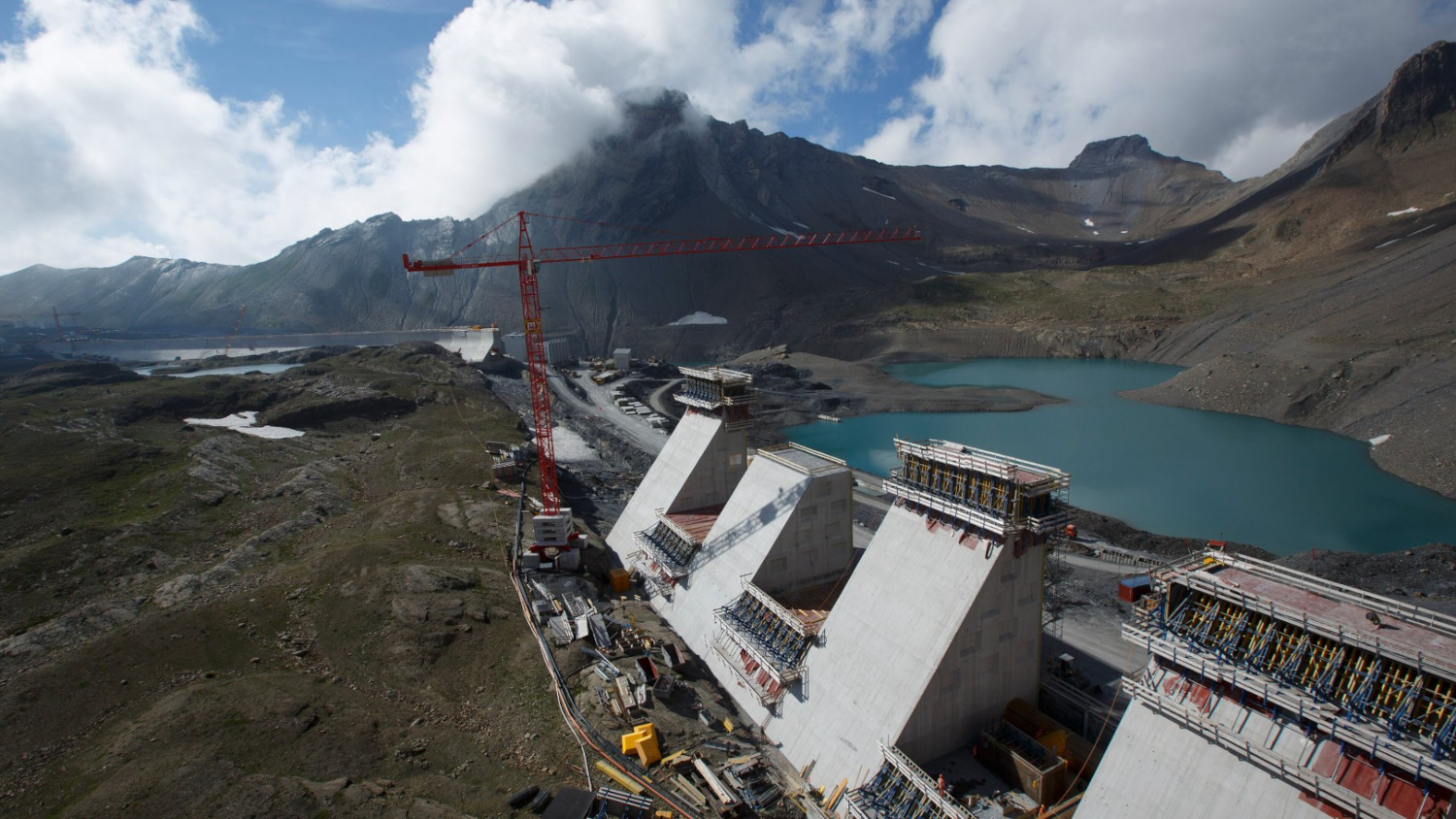
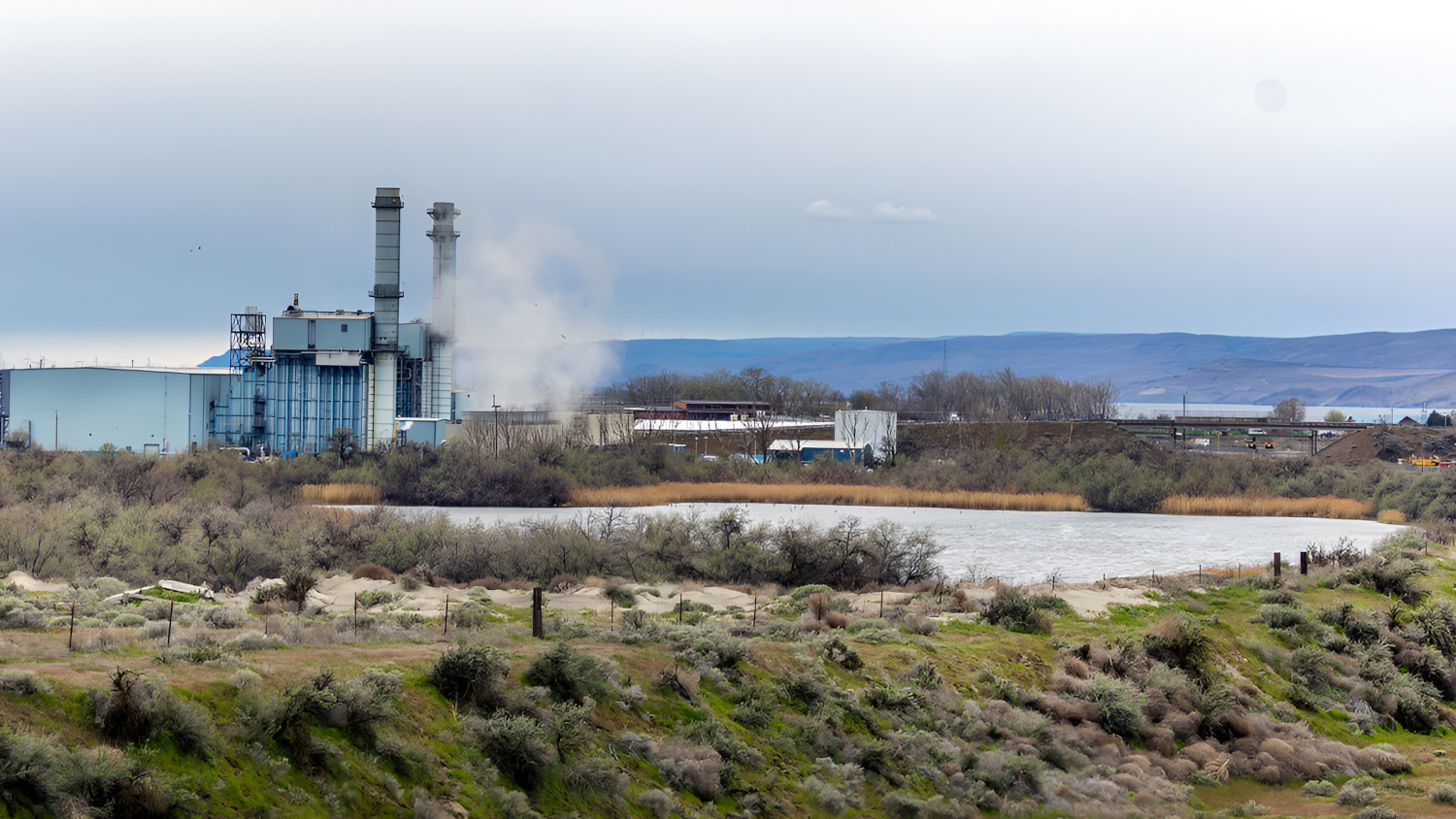
In March 2026, the Independence City Council voted 5–2 to approve 20-year property tax abatements for Nebius’s 2.1–2.25 million square foot AI data center complex — 90% on personal property, 98% on real property. The total incentive package runs roughly $6.2 billion. At full build-out, Nebius would draw up to 1.2 gigawatts of power, potentially requiring a retired power plant brought back online to handle the load.
Supporters project $35–55 million annually flowing to the city’s general fund (currently around $85 million), plus:
- 150 full-time jobs
- Over 1,000 construction positions
Opponents call those figures speculative and the tax abatement wildly disproportionate — particularly in a city where 16% of residents live in poverty. Two pro-deal council members lost April re-election bids. Organizers then targeted Perkins — not up for re-election for years — via recall. In August 2026, Judge Cory L. Atkins dismissed a lawsuit attempting to block the effort, allowing the election to proceed.
Children showed up to the signature-certification meeting holding “Represent Us or Resign” signs. The mayor warned against “impertinent remarks.” Resident Joanie Flanagan put it plainly: “The people haven’t been listened to.”
“If you can’t have the guts to stand up to some large corporation, you should not continue serving in office.” — Senator Bernie Sanders
One City’s Fight, a National Pattern
Independence is the sharpest example of a trend playing out from Oklahoma to Virginia, with data centers turning local elections into referendums on the AI boom.
Independence isn’t alone. In Festus, Missouri, recall petitions targeted the mayor and three council members over a proposed $6 billion data center — but the city council blocked those petitions from the ballot, ruling they didn’t allege unlawful conduct. Same fury, different charter rules, different outcome. Think of it as a legal lottery: your recall rights depend entirely on which zip code you’re organizing in. In Yukon, Oklahoma, a $1 billion data center triggered recall filings against the mayor and vice mayor.
State-level races are absorbing the shockwave too:
- Two Georgia Public Service Commission members lost their seats in 2025 amid voter anger over data centers pushing electricity prices higher.
- In Virginia, state delegate Geary Higgins lost after opponents branded him “Data Center Geary” — a nickname that stuck like a campaign poster in the rain.
- Ballotpedia recorded recall activity hitting record highs in 2026, with data-center controversies cited as a contributing factor.
Voters have “little patience” for politicians supporting data centers and will “step up and recall them and hold them accountable.” — Amy Kremer, Humans First
Nebius VP John Sutter says his company stays out of political races and frames Perkins’ vote as “a vote for the future of Independence.” But when developers arrive with billion-dollar tax breaks, 1.2-gigawatt power demands, and minimal community input, residents aren’t waiting for November to respond. They’re building their own infrastructure — one petition signature at a time.