A driver doing 47 in a 35 gets pulled over. The officer walks up and asks for a license and registration. Instead of reaching for a wallet, the driver reaches for an iPhone. In that three-second decision, a speeding ticket quietly becomes a Fourth Amendment problem. Colorado, Montana, and Georgia already accept mobile IDs at traffic stops. Apple launched Digital ID in 2025. The technology is spreading faster than the legal guardrails meant to contain it, raising concerns about tracking users in ways many drivers never anticipate.
The Tech Is Fine. The Hand-Off Isn’t.
Apple’s cryptographic design is solid; the vulnerability is human, not hardware.
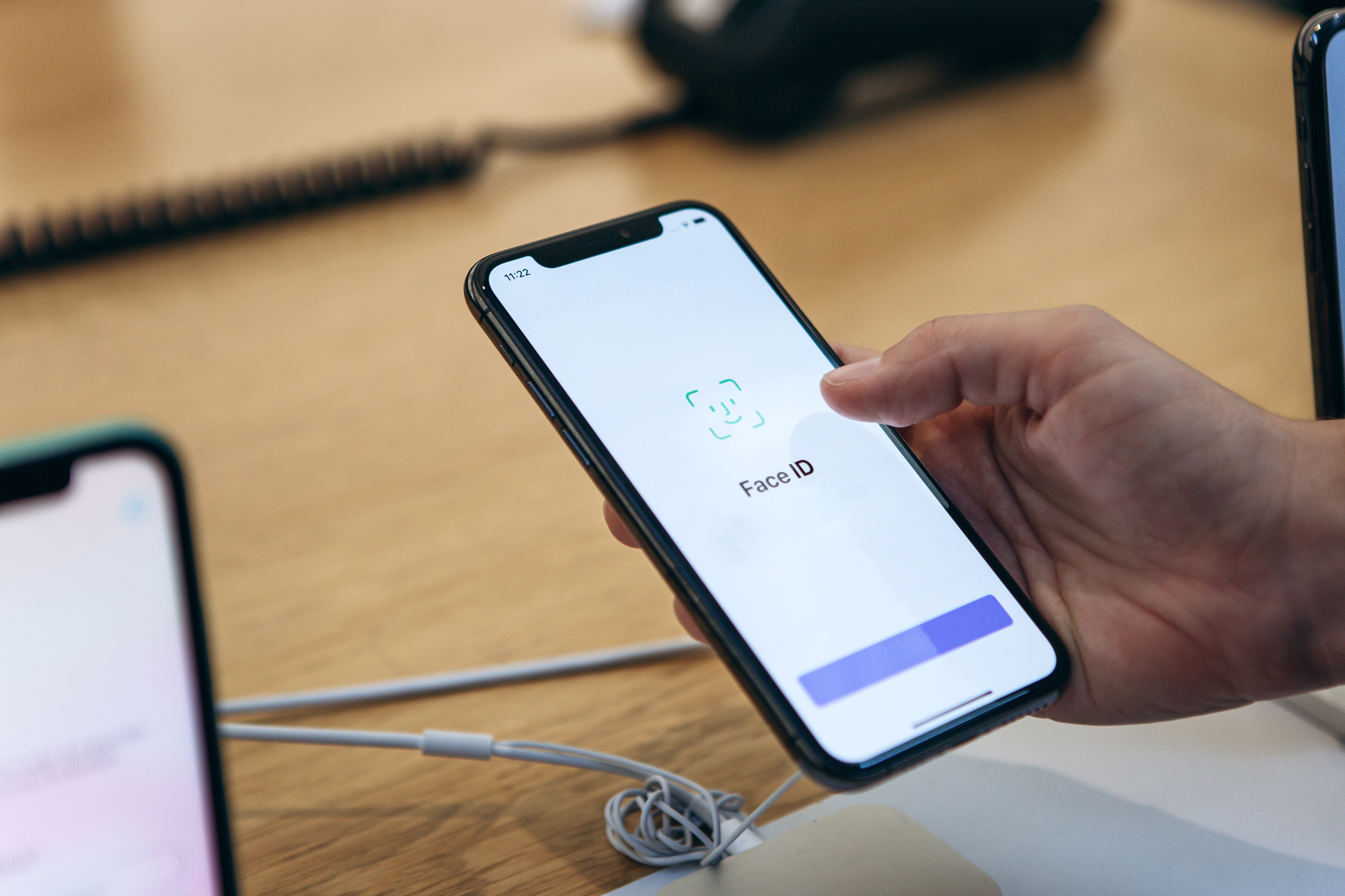
Apple’s implementation stores credentials in the Secure Enclave, shares only specific encrypted fields via NFC after biometric consent, and routes nothing through Apple’s servers, according to Apple’s support documentation. Montana Highway Patrol explicitly states troopers “will never take your phone” — scanning happens via a proximity reader while the driver keeps the device, per Biometric Update reporting. Designed correctly, the interaction is as contained as an Apple Pay transaction.
Here’s what every digital ID user needs to know:
- Apple Digital ID works at select TSA checkpoints and participating businesses — acceptance at traffic stops is not universal
- Colorado, Montana, and Georgia accept mobile IDs for traffic stops; carrying a physical ID is still recommended everywhere
- Montana troopers cannot ask for a mobile ID — drivers must volunteer it, and the device never leaves their hand
- Riley v. California (2014) established that police generally need a warrant to search phone contents
- Voluntarily handing over an unlocked phone may constitute legal consent to a broader search, much like consenting to a surveillance app beyond its stated purpose
Assuming secure design protects you at a traffic stop is like assuming your Ring doorbell works when you’ve propped the front door open. An officer says “can I see your phone?” and most people comply — no warrant required when the device is already in someone else’s hands. Courts remain divided on whether police can compel biometric unlocking; passcodes consistently receive stronger legal protection than Face ID. That distinction matters more than any encryption specification.
One Rule. Keep the Phone.
The most effective privacy protection costs nothing and fits in your back pocket.
Use digital ID only where contactless verification lets you retain your device. For any police encounter, hand over a physical license — not your phone. The UK’s proposed digital ID scheme explicitly prohibits police from demanding digital credentials, according to the UK government’s own explainer, making it a model worth watching as U.S. policy catches up.
Apple’s Digital ID is genuinely clever engineering. The weak link was never the Secure Enclave. It’s the moment a person under pressure hands a device containing their entire digital life to someone with a badge and legal authority. Carry the card. Keep the phone for your own peace of mind.