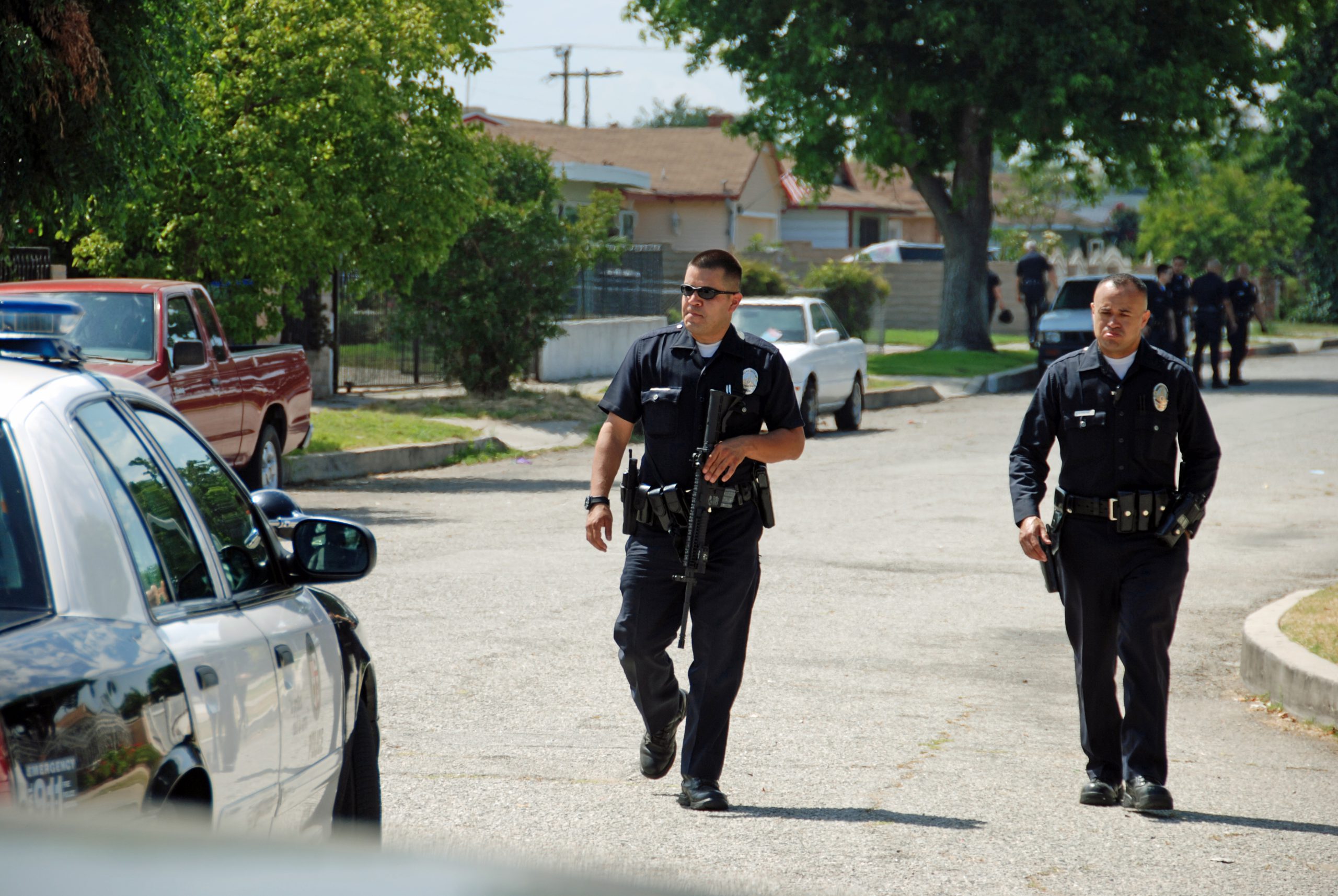
According to an LAPD Office of Inspector General audit, at least 161 drivers were subjected to armed, high-risk stops after automated systems flagged their vehicles as stolen — vehicles that turned out to be nothing of the sort. Backup officers arrived. Air support circled. Occupants were ordered out at gunpoint. The reason every single time: a database entry nobody had bothered to update.
Officers confirmed automated alerts flagging vehicles as stolen, then discovered the vehicles weren’t. The LAPD has since let its contract with surveillance vendor Flock Safety expire and paused all new license plate reader deployments pending a full policy review.
210 Million Scans, Thousands of Dead-End Flags
The LAPD’s plate reader network is vast, but the data feeding it is riddled with stale records that propagate errors across state lines.
Between August and September 2025, roughly 2,000 ALPR cameras from Flock, Motorola, and Axon generated over 210.5 million license plate reads across Los Angeles. The system flags plates automatically against “hot lists” of stolen vehicles — but those lists only work if someone keeps them current. When a recovered car stays flagged, the algorithm doesn’t know. It just keeps firing alerts.
The audit’s findings were stark:
- 161 vehicles flagged and stopped as stolen were not stolen
- 5,911 plates placed on hot lists; 4,575 saw zero enforcement action
- “High-risk” stop protocol — backup, air support, occupants ordered out — triggered by automated alerts
- Errors traced to outdated records from other jurisdictions propagating across networked systems
- LAPD policy requiring officers to verify alerts before stopping vehicles was frequently ignored
The OIG warned these failures “can affect individual liberty interests, erode public trust, and potentially create substantial legal and financial liability concerns.”
Real Recoveries, Real Harm, Unresolved Questions
The same system recovered hundreds of stolen cars — but the civil liberties costs, particularly for Black and Latino communities, are documented and serious.
The other side deserves acknowledgment: ALPR data helped recover 337 stolen vehicles and led to 74 arrests during that same two-month window. The technology produces real results. But city policy documents explicitly note that documented ALPR errors have disproportionately impacted Black and Latino communities. A Sacramento County grand jury report found California agencies sharing plate data with over 1,000 out-of-state entities, often in violation of state law. Data retention periods stretch from 60 days to five years depending on jurisdiction — meaning your movements may be on record long after any stop.
One of America’s largest police departments just admitted its surveillance infrastructure was too unreliable to trust. That’s not a resolution. It’s the start of a much harder conversation about who controls this data, who gets hurt when it’s wrong, and whether any audit trail can keep pace with a system secretly tracking users millions of plates every single day.