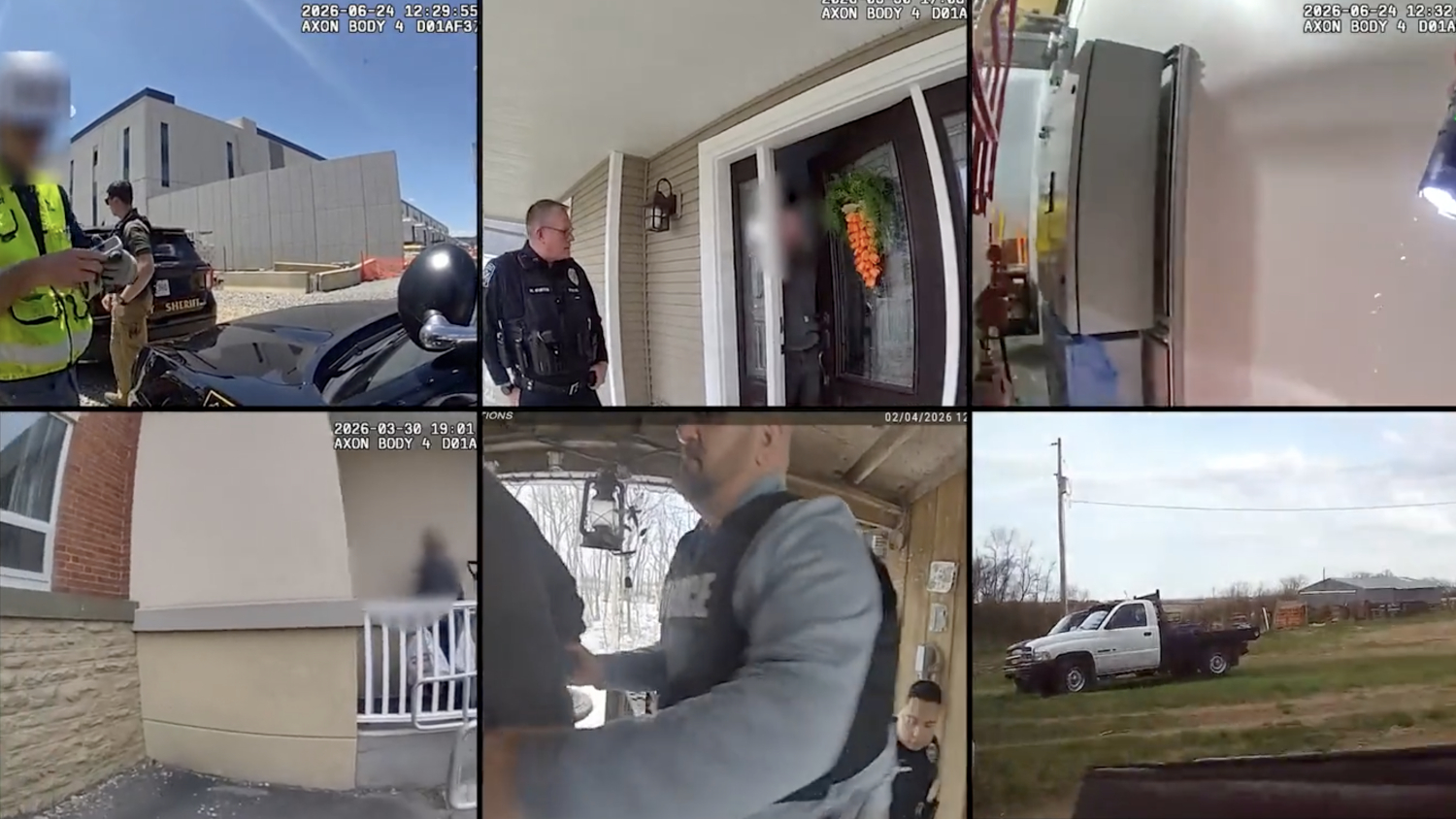
Every time your car passes a Flock Safety camera, your license plate, exact location, and timestamp get uploaded to a centralized cloud database. Thousands of police departments can search it. No warrant required. No suspicion necessary. Security researcher Ben Jordan has described this system as the functional equivalent of a GPS tracker attached to your vehicle — not unlike the surveillance app built by state operatives to covertly track targets. The uncomfortable part? It’s not a pilot program. It’s already running in your city.
How a “Safety Camera” Became a Nationwide Location Log
The cameras photograph every vehicle that passes — not just suspects, not just stolen cars, everyone.
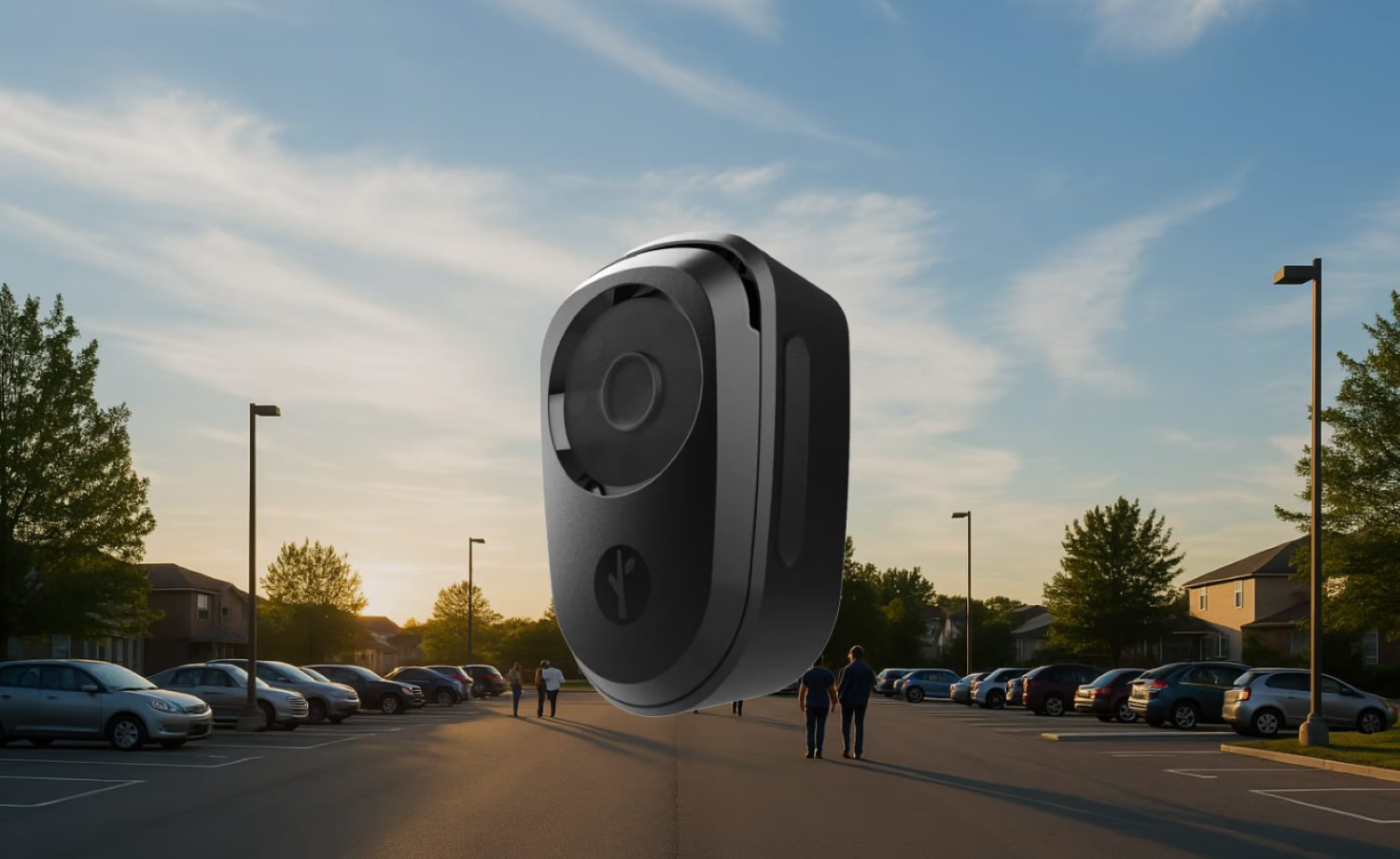
Flock’s Falcon and Sparrow cameras photograph the rear of every passing vehicle. The company’s own FAQ describes searching its database as “much like searching on Google.” Here’s what the system actually captures:
- 6–12 images per vehicle per pass, day or night, at speeds up to 100 mph
- Plate number, make, model, color, bumper stickers, even scratches
- Data stored for 30 days by default — extendable by local jurisdictions
- Searchable by any law enforcement agency with a Flock contract, across state lines
- Less than 1% of scanned plates are connected to any crime, according to ACLU data
“In order for that historical data to be of investigative value, you have to track every car.” — Ben Jordan
Plot each detection on a map over 30 days and you’ve reconstructed someone’s commute, their doctor visits, their church attendance, where they sleep. It’s your Google Maps location history — except you never opted in, and any contracted police department in the country can pull that record without a warrant. This pattern of secretly tracking users without consent has been documented well beyond Flock’s platform.
Flock publicly claims it “doesn’t track people.” Its own training videos, documented by NBC, instruct officers to follow suspects “from location to location to location.” The company’s Condor cameras deploy AI-powered “Guardian mode” to automatically zoom in on faces and track individuals as they move. ICE and CBP have used Flock data for immigration enforcement without warrants, according to ACLU reporting. Flock has not publicly addressed these documented uses in its marketing materials.
The gap between that public messaging and the system’s demonstrated capabilities is wide — and documented.
The Data Belongs to Flock, Not Your City
One national platform aggregates feeds from both private cameras and police departments, queryable across jurisdictions.
Flock aggregates reads from private cameras and police departments into a single national platform — functioning, in effect, like a surveillance network nobody signed up to join. The ACLU of Oregon found that data has been transmitted unencrypted, and notes that many jurisdictions extend retention beyond the default 30-day window. Flock also runs analytics across its entire dataset to flag movement patterns, meaning the company isn’t just storing location logs — it’s actively computing behavioral profiles at national scale.
“Automatic license plate reader companies like Flock Safety are quietly trying to build a nationwide mass surveillance system.” — ACLU
Flock’s own “Flock Business Network” extends the reach further, allowing private companies to share hotlists and alerts with each other alongside law enforcement — a feature set that raises questions no city contract currently answers.
The infrastructure exists. It is running right now. Whether it should exist at all may be on your city council’s agenda sooner than you think. In the meantime, residents concerned about their own security on their own terms may find value in exploring home security systems that keep data under their own control.