Glioblastoma kills most patients within two years. The most common primary malignant brain tumor in adults, it has resisted decades of drug development for one maddening reason: the blood-brain barrier blocks nearly every promising therapy from reaching the tumor at useful concentrations. New research from the University of Virginia’s Focused Ultrasound Cancer Immunotherapy Center suggests the tumor itself may hold the key to cracking that barrier open.
The Lock Nobody Could Pick
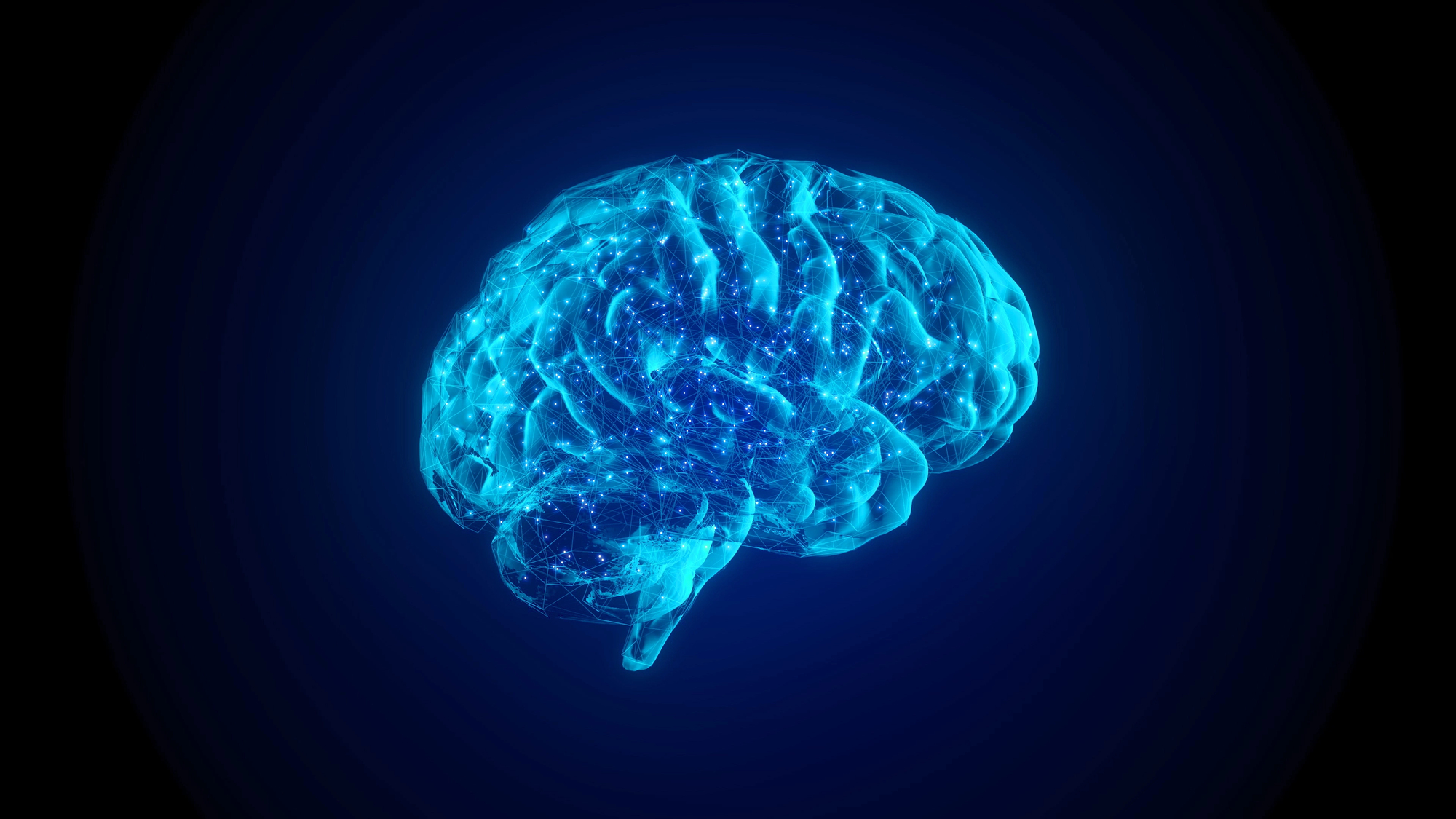
The blood-brain barrier has long been the wall between powerful cancer therapies and the tumors they could destroy.
Think of the blood-brain barrier as a bouncer with a zero-tolerance policy. Formed by tightly packed cells lining brain capillaries, it keeps out most chemotherapy drugs, antibodies, and gene therapies—even ones that demolish cancer in lab dishes. Gliomas partially disrupt this barrier on their own, but unevenly. Drug exposure inside the tumor has been a lottery, with some regions soaked and others bone dry.
Focused ultrasound offers a workaround. Tiny gas-filled microbubbles are injected into the bloodstream, then targeted sound waves make them vibrate against vessel walls—temporarily loosening those tight junctions like a precisely calibrated skeleton key. No scalpel. No permanent damage. The door opens for minutes to hours, drugs flow in, then the barrier reseals.
Richard J. Price, co-director of UVA’s Focused Ultrasound Cancer Immunotherapy Center, said the findings can guide which existing therapies benefit most from this delivery method and help prioritize clinical trials. Beyond that, the data should inform entirely new drugs and gene therapies engineered specifically for ultrasound-assisted delivery.
Size Matters More Than Anyone Thought
The UVA findings flipped a core assumption—and revealed a precise molecular sweet spot for getting drugs into brain tumors.
Here is where assumptions got flipped. In mouse models, glioma tissue showed better drug delivery via focused ultrasound than surrounding healthy brain—the opposite of what many researchers feared. Then came the Goldilocks problem:
- Very small molecules underperformed
- Very large ones could not squeeze through
- Mid-sized molecules like antibody fragments and compact gene vectors hit the sweet spot
That sweet spot is where the future of glioblastoma treatment may live.
This does not exist in isolation. Northwestern Medicine has already used implantable ultrasound devices in human glioblastoma patients to boost chemotherapy and checkpoint inhibitor delivery, triggering stronger immune responses. CAR-T trials at Harvard showed dramatic tumor regressions in adult glioblastoma patients. Focused ultrasound is not competing with these approaches—it is the delivery system that could make all of them work harder.
Caveats matter here. This is preclinical data from mice. Human translation requires navigating skull thickness, tumor diversity, and rigorous safety testing. But the trajectory is unmistakable: the barrier that made brain tumors nearly untreatable may finally be giving way.