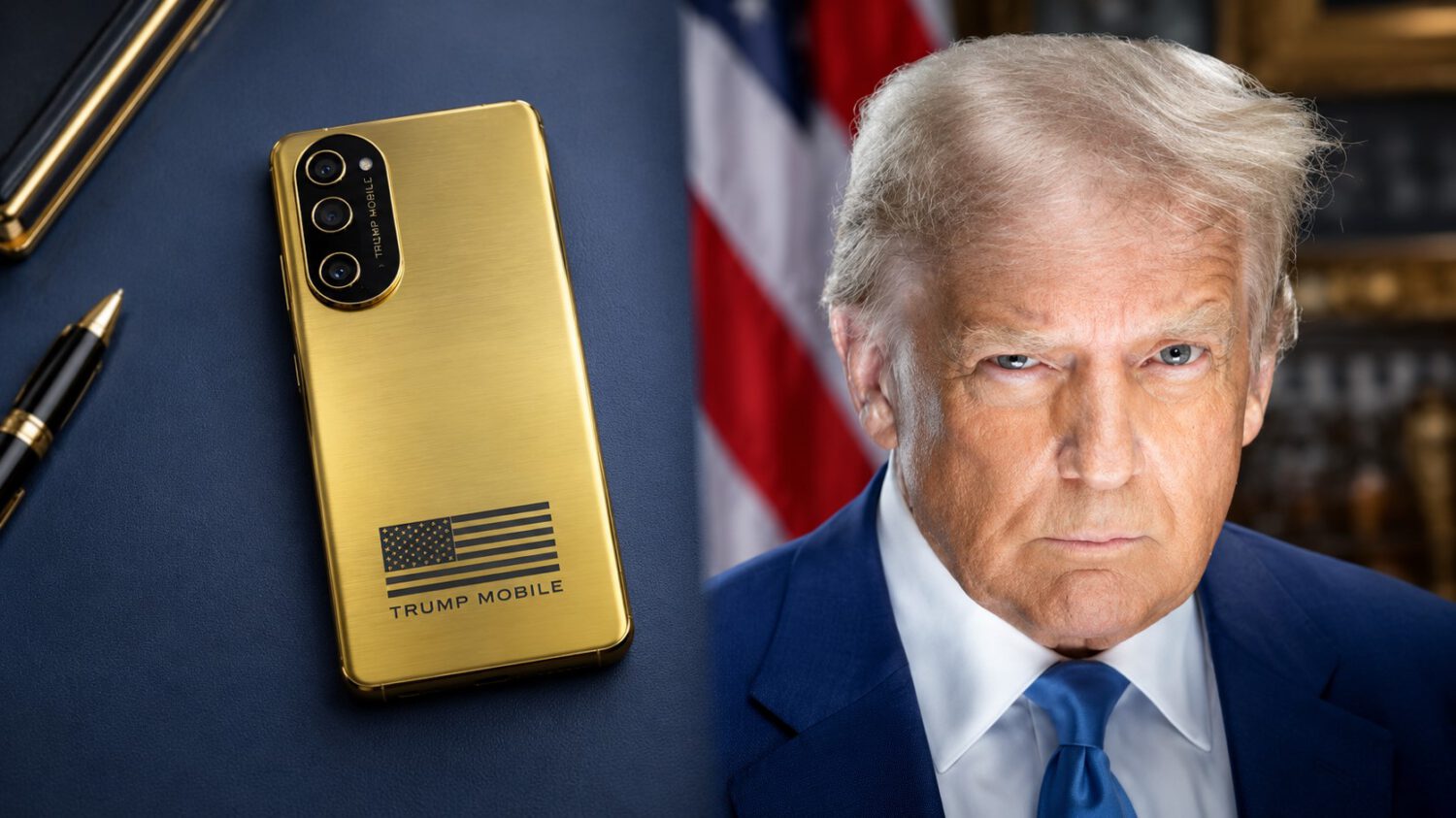
A single prototype rumor has reignited the most consequential question in consumer tech: who controls the AI hardware layer? The Wall Street Journal, citing anonymous sources, reports that SpaceX privately showed investors a sleek, handset-like AI device ahead of its IPO. Elon Musk says that report is “utterly false.” Both statements can’t be true — and the answer matters, because the race to own that hardware layer just got considerably more interesting.
What the Sources Actually Say
Anonymous insiders paint a picture of a slim device running custom software and xAI’s Grok models.
The Wall Street Journal, citing people familiar with the matter, described a prototype with the following reported characteristics:
- Handset-like form factor, slimmer than an iPhone
- Qualcomm Snapdragon chipset (no specific model named)
- Proprietary operating system — not iOS, not Android
- Integration with xAI technology, presumably Grok
- Shown to select investors ahead of SpaceX’s June IPO
SpaceX reportedly told some investors the project remains early-stage, with no confirmed decision on manufacturing or commercial release, according to WSJ. That hedge matters. This isn’t a product announcement — it’s a rumor with respectable sourcing, and those are very different things.
Musk himself has a complicated relationship with the idea. Back in October 2025, per WSJ, he said: “The idea of making a phone makes me want to die.” Then added: “If we have to make a phone, we will.” That contradiction predates the WSJ story entirely.
The Denial, the Strategy, and Why It Still Matters
Musk flatly denies the WSJ report, but the platform chess game underneath is undeniably real.
After the story broke, Musk posted on X calling it “utterly false,” according to Forbes. In February, he’d already stated: “We are not developing a phone.” That’s a primary-source, on-the-record denial set against anonymous sourcing from a tier-one outlet. The situation remains unresolved — and worth sitting with rather than resolving prematurely in either direction.
What makes this more than a he-said-they-said footnote is the strategic architecture already in place. Grok, X, the Colossus supercomputer, and Starlink’s direct-to-device connectivity now live under one corporate roof — a vertically integrated stack running from rockets to AI inference. As WSJ noted, “it isn’t easy for a newcomer to break into the hardware business,” but few newcomers control their own satellite constellation.
The super-app playbook Musk has admired since acquiring Twitter — inspired by WeChat and Alipay — doesn’t strictly require a dedicated device to function. But it works considerably better with one. ByteDance already shipped a Doubao-powered smartphone in China, per WSJ. OpenAI is reportedly developing its own AI devices. The AI hardware graveyard includes cautionary tales like the Humane AI Pin, yet that hasn’t slowed anyone’s ambitions.
Markets currently read this as early-stage experimentation rather than an imminent threat. Qualcomm gained modestly on the speculation while Apple appeared unfazed, according to Yahoo Finance. Whoever ultimately controls the device controls the AI interaction layer — and bypasses Apple and Google entirely. That strategic logic holds whether or not this specific prototype exists as described. The fight it represents has already started.