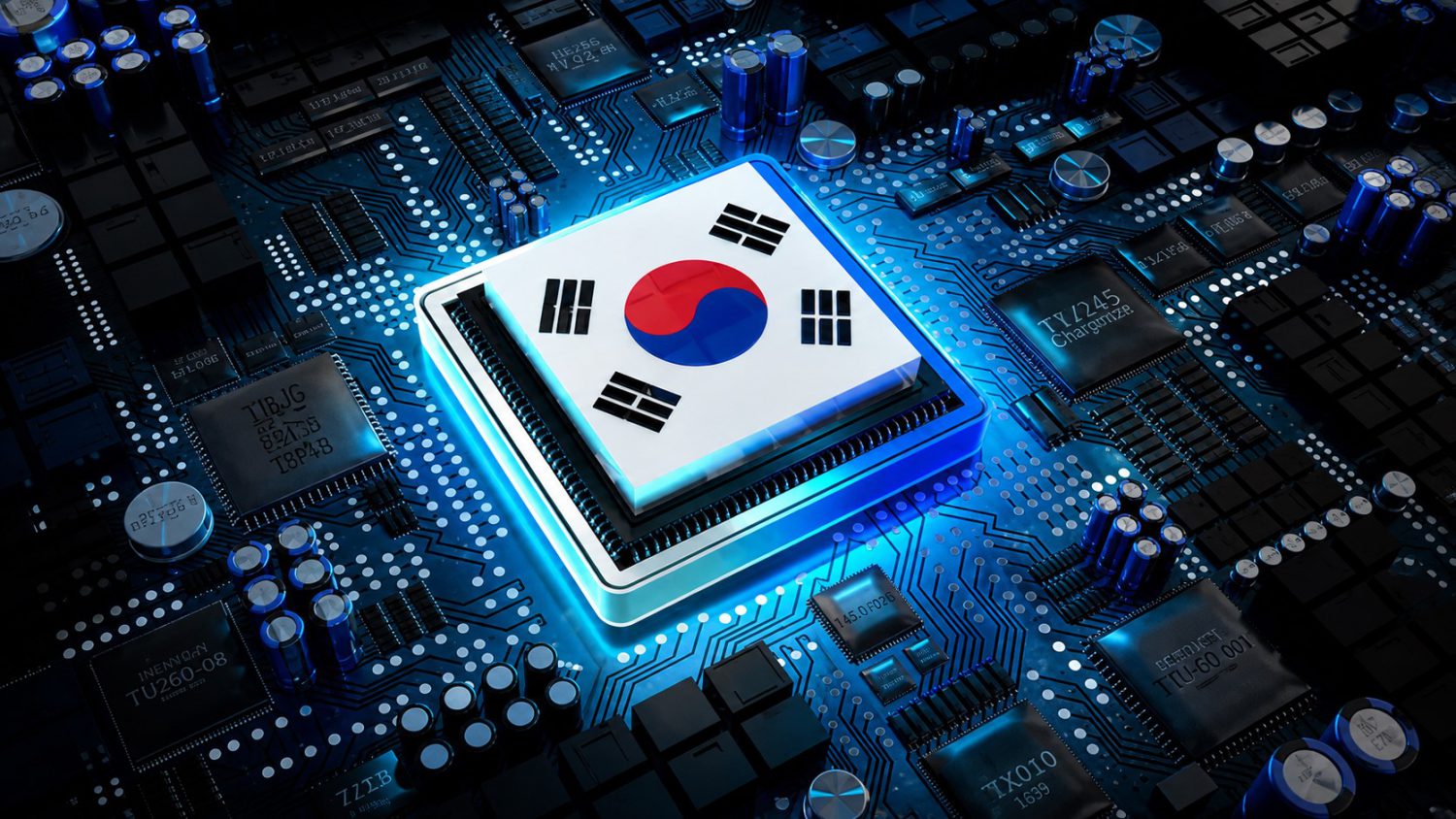
The country where roughly 25% of people already pay for AI services, according to the Wall Street Journal, just decided the paywall wasn’t necessary. South Korea is becoming the first G20 nation to treat generative AI like a public utility — free, unlimited, no token caps, no usage tiers. The paywall that defines most commercial AI services — including $20/month subscription tiers — has been declared unnecessary. For 52 million people.
What You Actually Get
Two tiers, zero fees, and your KakaoTalk account is already the front door.
Tier one is a general-purpose chatbot available to every resident. Tier two is where it gets genuinely interesting: a public-service agent that:
- Books doctor appointments
- Searches apartments
- Walks small businesses through subsidy eligibility
- Guides tax filings
Delivery runs through KakaoTalk (the app 45+ million Koreans already have open), phone calls, SMS, and web portals. SK Telecom’s consortium specifically designed phone and text access for older users. Kakao’s consortium embeds AI directly into the messenger people already use to order lunch.
This is less like getting a chatbot for free and more like Korea wiring the entire country for 100Mbps broadband in the early 2000s while Americans were still negotiating with their DSL providers. One moment the infrastructure feels optional; the next, it’s just how things work.
“South Korea plans to give its entire population free access to generative AI services, the first major state-led offering treating the technology akin to a public utility,” according to the Wall Street Journal.
The Industrial Policy Hidden in Plain Sight
Seoul isn’t being generous — it’s being strategic.
Policy rules require more than 50% of the AI stack to run on domestically developed models, with domestic companies covering at least 30% more of the system, according to reporting from Asiae. Foreign models are limited to a supplementary role. The government is distributing up to 512 Nvidia B200 GPUs — frontier-lab hardware — to the three selected operator consortia led by SK Telecom, KT, and Kakao, chosen from six bidders, according to the Korea Herald. Operators must match that compute investment with private funding.
President Lee Jae-myung’s administration committed roughly 10 trillion won (~$7.2 billion) to AI spending in 2026 alone — triple the prior year, per the Wall Street Journal. The service stays free through at least 2028.
Domestic briefings describe the goal as entering an “era of one AI assistant per person.”
That vision carries real weight — and real risk. Over 20 million Koreans already use free AI tools. Adoption isn’t the problem. The hard question is what happens when an AI chatbot gets a healthcare booking wrong, or gives a small business owner incorrect tax guidance. Accountability structures for those failures remain, charitably, a work in progress. If Korea pulls this off cleanly, every other government will face pressure to explain why its citizens are still paying monthly subscription fees for the same privilege.