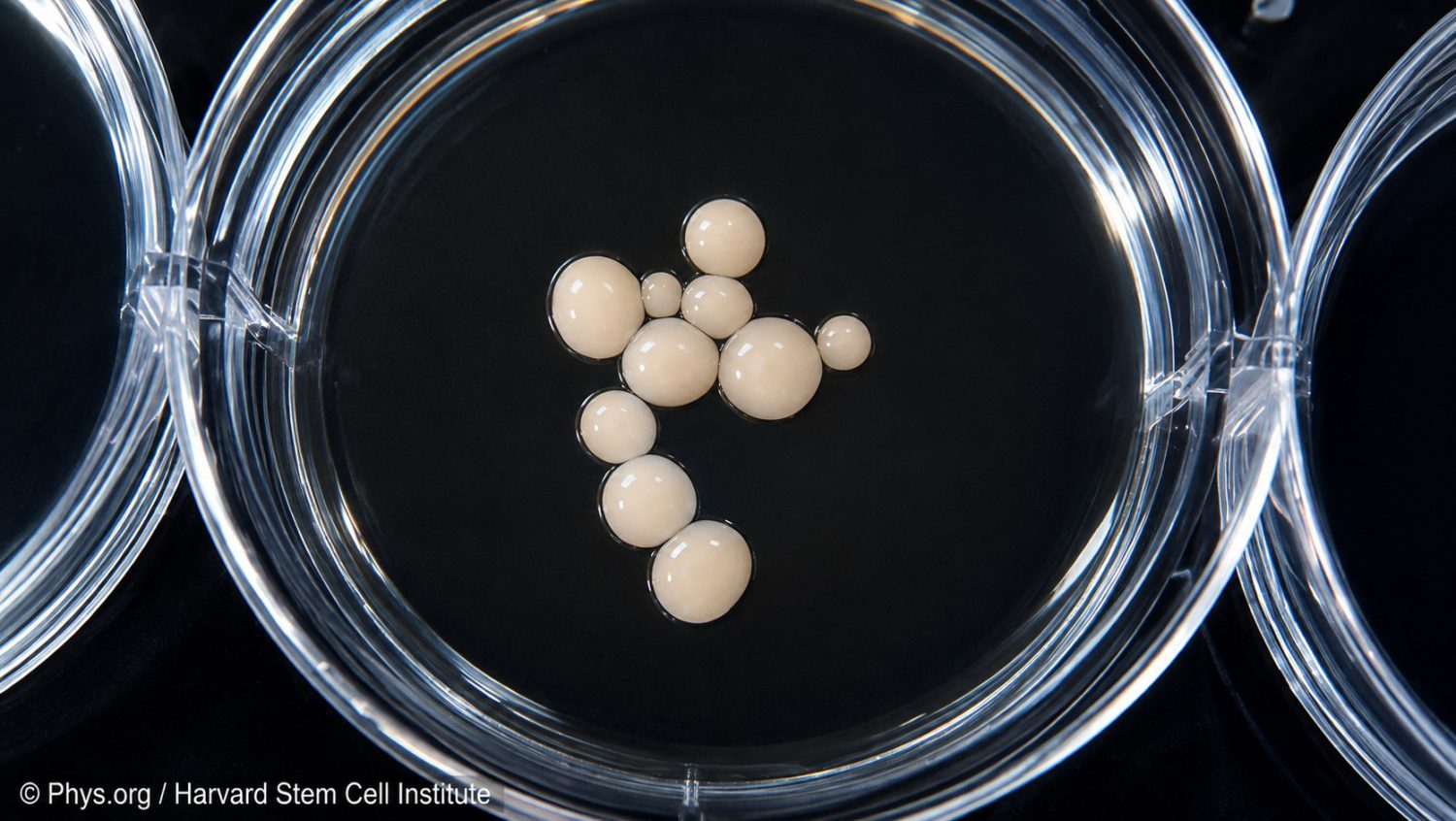
Seven years. That’s how long Harvard researchers kept lab-grown human brain tissue alive — a milestone that generated headlines about mini-brains with “memories.” Technically accurate. Spectacularly misleading. The real finding, published in Nature by Paola Arlotta’s team at the Harvard Stem Cell Institute, is stranger and more useful than the clickbait suggests. If you’ve ever wondered how diseases like autism or Alzheimer’s actually develop inside a human brain, this is where the story starts.
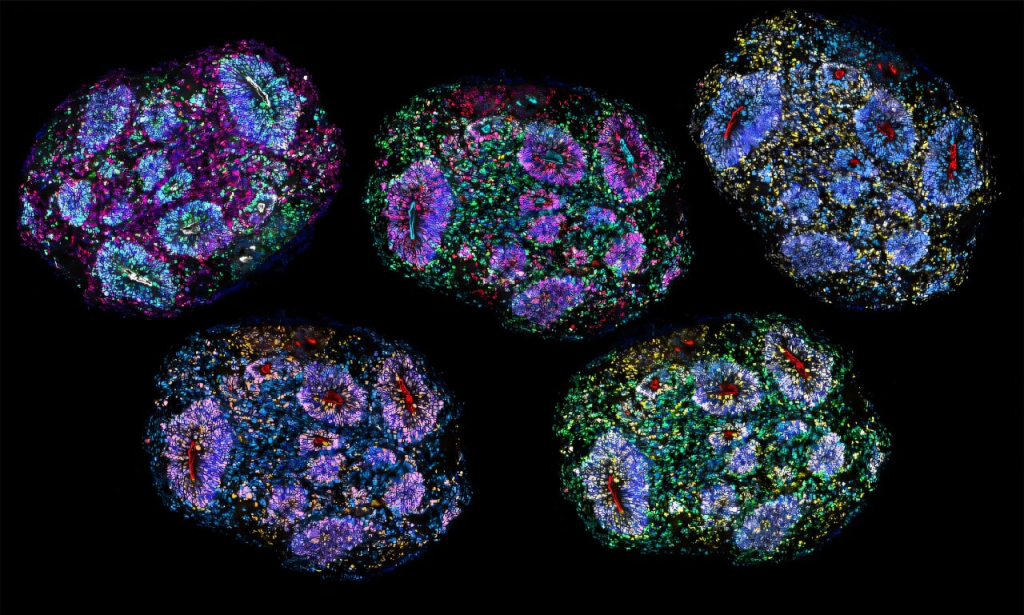
These organoids — peppercorn-sized clumps of human cortical tissue grown from stem cells — age molecularly in sync with real time. DNA methylation patterns, biological timestamps written directly into cells, tracked chronological time in culture with striking accuracy. Think of it like your Spotify Wrapped, except instead of logging your listening history, it’s encoded in the cells themselves. Gene-expression profiles matched human brain development from gestation through early childhood, according to the Nature paper.
The “memory” part is where it gets genuinely interesting. When old progenitor cells were dropped into younger organoid environments in chimeric experiments, they didn’t restart from the beginning. They skipped the tutorial entirely — immediately generating late-stage neuron types that normally take months to appear. Arlotta describes this as “warping of developmental time,” according to medicalxpress.com coverage of the study.
Cellular memory. Not psychological. No childhood recollections. Just a molecular record of which developmental programs have already run.
Why Seven Years in a Dish Matters
Long-lived organoids give researchers something they’ve never had: a window into years of human brain development, without waiting decades.
Previous organoids survived weeks, maybe months. That’s prenatal territory. Autism, schizophrenia, Alzheimer’s, Parkinson’s — these disorders unfold over years or decades. Now researchers can watch slow-moving pathologies develop under human genetics without waiting 20 years for a patient cohort. Neurons in these long-lived organoids formed synaptic connections and fired electrical signals, maintaining functional network activity for at least two years in culture, per medicalxpress.com.
Axonis Therapeutics has already tested CNS gene therapies in organoids, including tissue grown aboard the International Space Station, where microgravity accelerates 3D tissue development, per a biorxiv preprint. The applications are concrete and urgent — and the research pipeline is moving faster than most people realize.
The obvious question: are these things conscious? No. Full stop. They lack:
- vasculature
- sensory input
- the large-scale connectivity that any serious theory of consciousness requires, according to Nature commentary
A researcher quoted in Nature noted that the exciting part isn’t just reading a cell’s age from molecular data — it’s evidence that cells themselves use that history to decide their next developmental steps. Ethicists are watching anyway, and as organoids grow more sophisticated, institutions will need clearer guidelines about permissible experiments. Nobody currently knows the upper lifespan limit, per medicalxpress.com.
The science just unlocked year seven. The diseases researchers most want to understand often don’t announce themselves until year thirty.