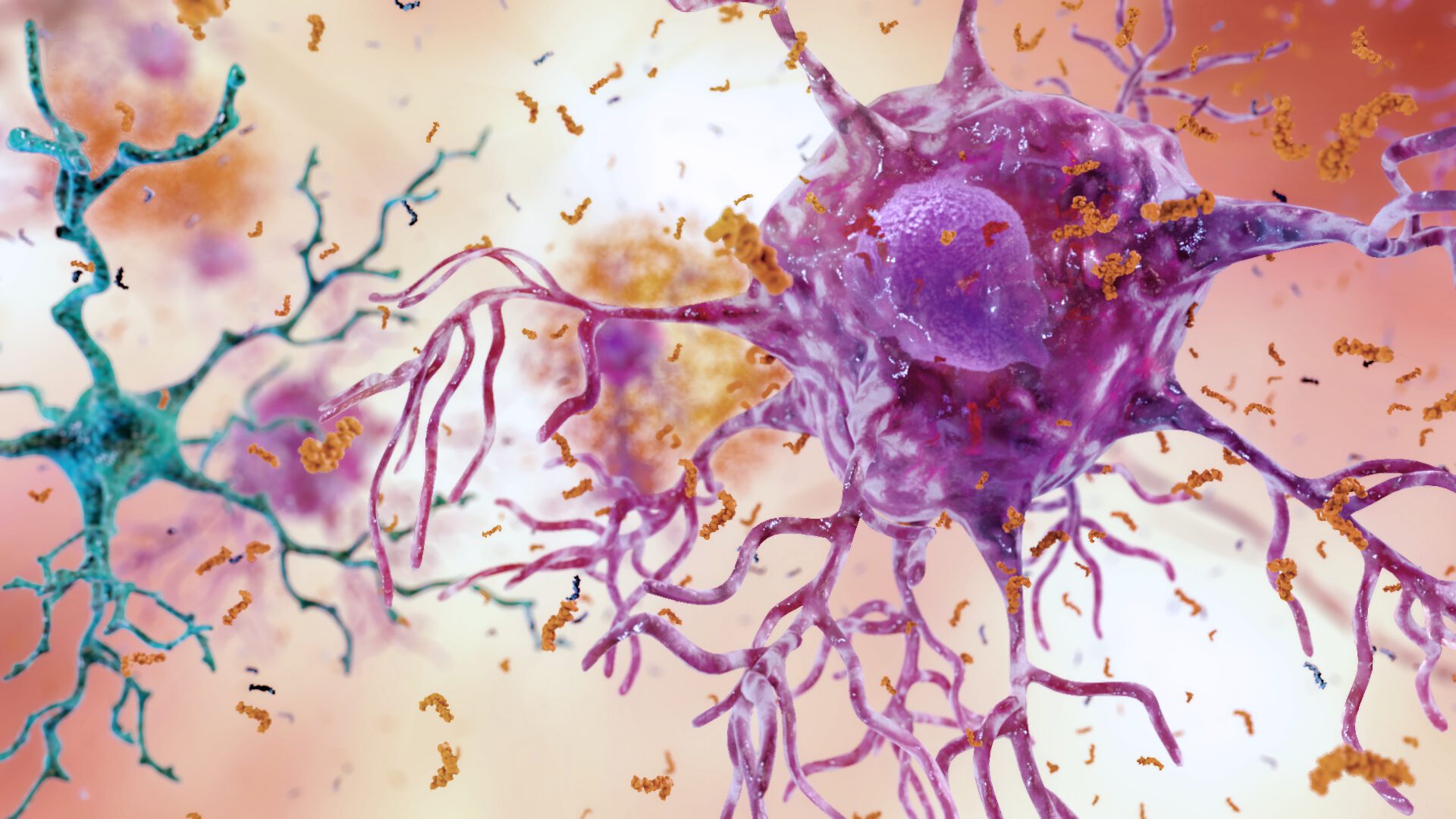
Up to 30% of sharp-minded seniors harbor full-blown Alzheimer’s pathology in their brains—plaques, tangles, the works—yet never lose a step mentally. This decades-old puzzle has tormented researchers, while billions in drug trials have focused on clearing brain debris after damage was done. Now, scientists at UC San Diego and Weill Cornell Medicine used artificial intelligence to crack what makes some brains bulletproof against cognitive decline, potentially flipping Alzheimer’s prevention on its head.
The AI Detective That Solved a Biological Cold Case
The breakthrough came from an AI tool called Boolean Network Explorer, which analyzed gene expression from 70 normal and 219 Alzheimer’s-affected human brains. Unlike previous statistical approaches that missed the mark, the AI identified a precise 40-gene signature. This signature included 20 genes ramped up and 20 dialed down in disease. It outperformed 24 prior genetic signatures across 35 different datasets. Think of it as AI finally reading the brain’s actual instruction manual instead of just counting typos.
The Protein That Guards Your Memories
When researchers tested this signature on mouse models, they discovered something remarkable about a protein called Chromogranin A. Male mice lacking this protein developed all the molecular hallmarks of Alzheimer’s—yet their spatial memory and learning stayed completely normal. Females showed even broader protection. They had 23-33% fewer Tau tangles in memory regions and restored synaptic connections. CgA appears elevated in Alzheimer’s spinal fluid and links to stress responses. It appears to be the molecular switch between pathology and cognitive survival.
Prevention Before Symptoms
This research suggests your best defense against Alzheimer’s isn’t waiting to scrub plaques from an already-compromised brain. Instead, therapies targeting CgA-centered pathways could strengthen cognitive resilience before any symptoms appear. The sex-specific patterns mirror human data showing women face higher Tau risks but potentially stronger early protective mechanisms. The study published in Acta Neuropathologica Communications represents a fundamental shift from treating damage to preventing vulnerability—exactly what millions of aging adults have been hoping science would deliver.