Wastewater treatment plants burn through nearly 4% of America’s electricity while dumping millions of tons of sludge into landfills. Washington State University researchers just flipped that equation, converting sewage into 99% pure renewable natural gas while cutting treatment costs from $494 to $253 per ton.
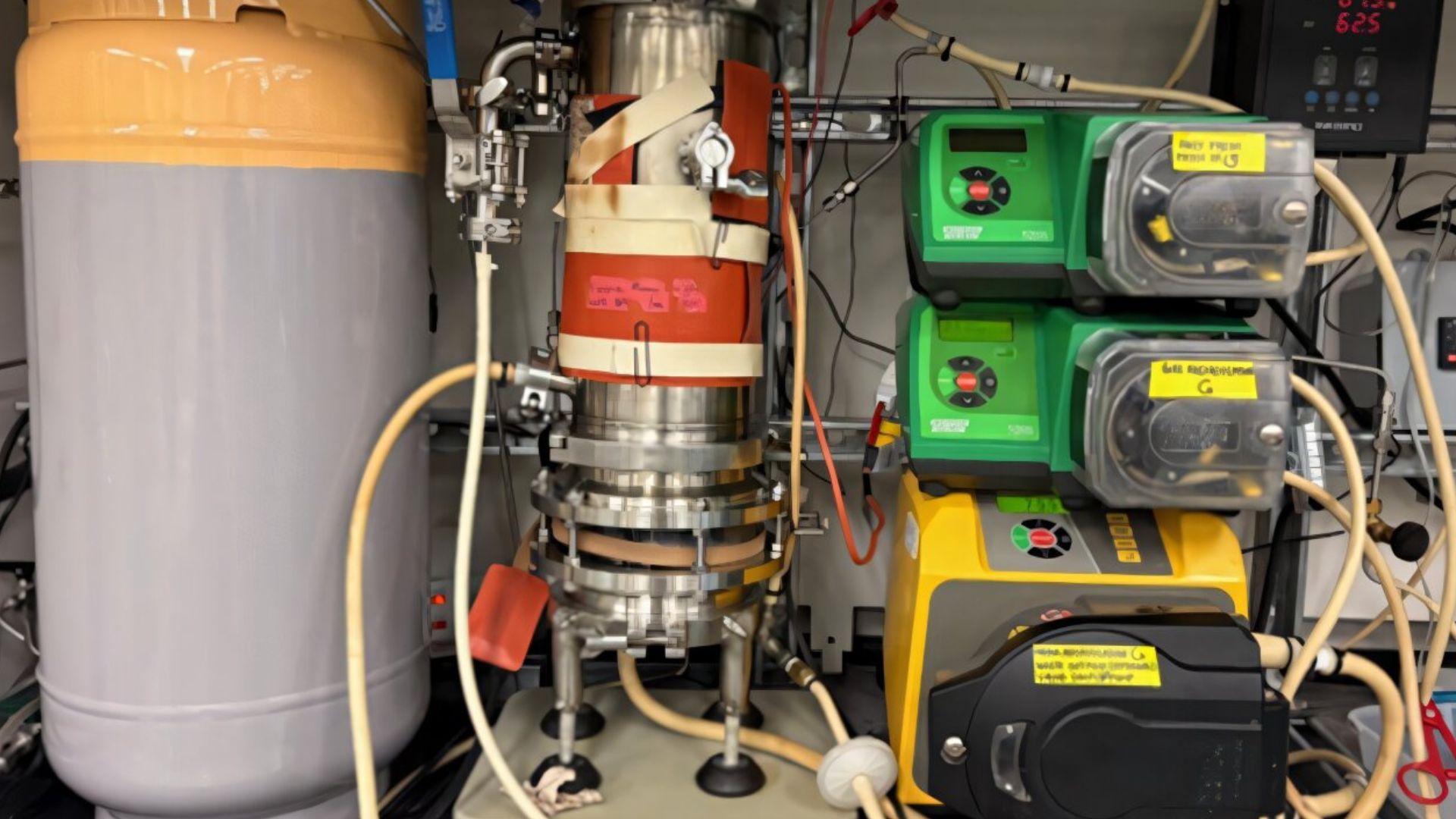
The breakthrough combines high-pressure steam pretreatment with a patented bacterial strain that works like a microscopic refinery. First, oxygen-rich steam breaks down complex polymers in sewage sludge at extreme temperatures and pressures—think pressure cooking on steroids. Then engineered bacteria convert the resulting biogas into pipeline-quality methane that can heat your home or fuel vehicles.
Game-Changing Efficiency Numbers
The WSU process achieves 85% conversion efficiency compared to traditional methods that barely reach 50%.
Traditional anaerobic digestion converts less than 50% of sewage organics into usable biogas. WSU’s two-step process pushes that to 85%, producing 200% more methane than standard methods. “This technology basically converts up to 80 percent of the sewage sludge into something valuable,” says lead researcher Birgitte Ahring, describing the bacterial strain as a “workhorse” needing only water and vitamins—no toxic chemicals required.
The process targets America’s 15,000 wastewater treatment facilities, which collectively emit 21 million metric tons of greenhouse gases annually. Small plants handling less than 5 tons of sludge daily could especially benefit, transforming their biggest operational headache into revenue streams.
From Lab Bench to Industrial Scale
Research published in Chemical Engineering Journal demonstrates the technology’s commercial viability through partnerships with Clean-Vantage LLC.
Published in the Chemical Engineering Journal this year, the research builds on WSU’s earlier work with biomass pretreatment. The university has already patented the bacterial strain and partnered with Clean-Vantage LLC for commercial scaling. Unlike complex chemical catalysts that require constant maintenance, these bacteria basically run themselves once established.
This technology comes at an opportune time as cities face mounting pressure to reduce both energy consumption and landfill waste. This breakthrough offers a rare win-win: cheaper treatment costs while producing clean energy that flows directly into existing natural gas infrastructure. “If we can replicate this work on other organic materials, we’ll have a waste treatment technology that is world-class when it comes to efficiency,” Ahring notes.
Your local utility bills might thank these microscopic workers sooner than you think.