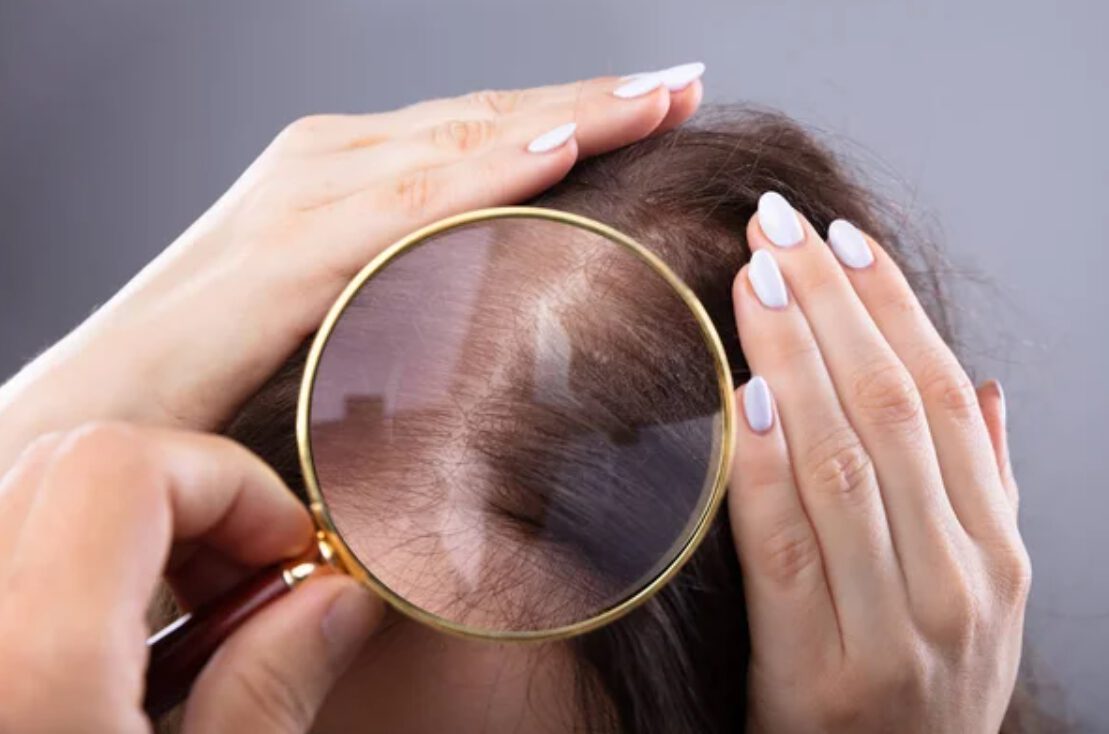
Your bathroom cabinet already groans under failed hair loss solutions—from caffeine shampoos that promised miracles to minoxidil that delivered modest results with annoying side effects. Now Schweitzer Biotech Company claims their plant-based serum delivered 25% increases in hair density and thickness within eight weeks. The twist? Their randomized trial used actual science instead of Instagram testimonials.
Dr. Tsong Min Chang’s team tested 60 healthy adults, applying 1 mL of serum nightly for 56 days. The winning formula combines Centella asiatica-derived extracellular vesicles with growth factors FGF-7 and IGF-1, plus caffeine and panthenol. Think of it as the Avengers of hair ingredients—each component targets different aspects of follicle health, from inflammation to circulation to growth signaling.
What Actually Happened in the Lab
Stepwise testing reveals ingredient synergy, but study design raises eyebrows.
The researchers used a clever stepwise approach, testing components individually and in combinations. This revealed genuine synergy—the full formula outperformed individual ingredients. That’s more rigorous than competitors like Vegamour, which claims 56% density increases over 120 days but lacks this systematic approach.
The plant-derived vesicles represent the real innovation here. These microscopic delivery vehicles naturally occur in Centella asiatica and may enhance ingredient penetration while reducing scalp irritation. Combined with proven growth factors, this creates something genuinely different from the rosemary oil and biotin serums flooding TikTok.
The Inconvenient Fine Print
Company-funded study on healthy volunteers skips the people who actually need help.
Here’s where your skepticism should kick in. The study tested healthy adults, not people experiencing actual pattern baldness. That’s like testing running shoes on marathon champions instead of weekend warriors with shin splints.
The eight-week timeframe barely covers one hair growth cycle, and company involvement raises obvious bias concerns. No comparison to minoxidil means you can’t gauge effectiveness against proven treatments. The medRxiv publication hasn’t undergone peer review yet, and regulatory approval remains distant.
Your receding hairline deserves better than preliminary research on people who weren’t losing hair in the first place. Until longer trials test real hair loss patients, this promising chemistry remains just that—promising.