Car shopping should come with a warning label. Some vehicles roll off the lot carrying more red flags than a Communist parade, complete with manufacturer defects, sky-high repair costs, and breakdowns that make seasoned mechanics wince. These automotive lemons turn routine maintenance into a second mortgage and transform your daily commute into a game of mechanical roulette. Here are fifteen cars that even people who fix them for a living wouldn’t touch with a ten-foot wrench.
15. Ford Fiesta Focus 2011 to 2019 (Exterior)
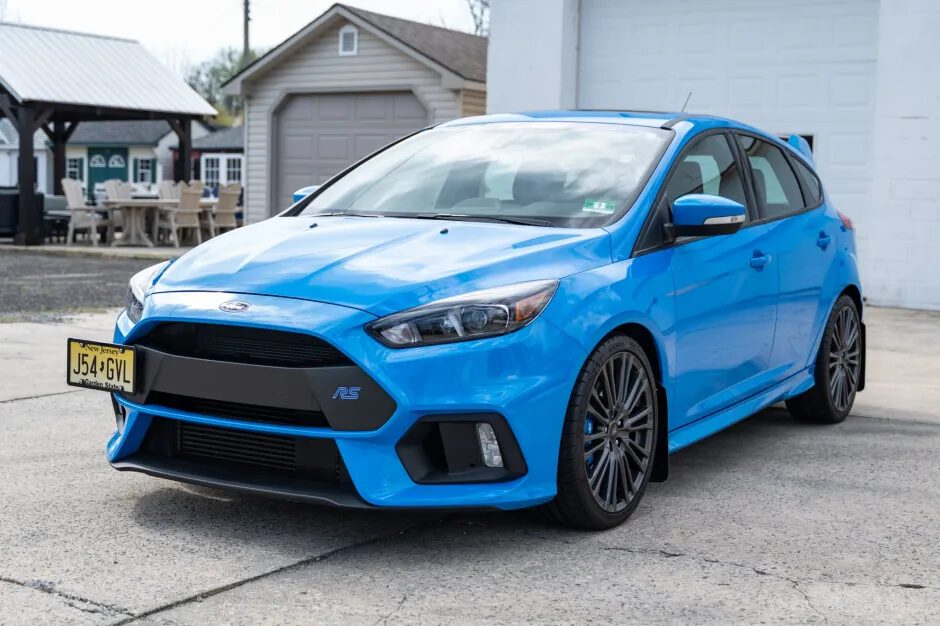
Ford’s PowerShift transmission made these cars shake like a paint mixer with commitment issues.
Ford knew about the PowerShift dual-clutch transmission defects before these cars hit showrooms, but shipped them anyway. Drivers experienced lurching and vibrating transmissions that felt like trying to parallel park after six margaritas. The terrifying twist? Sometimes pressing the brake didn’t stop the car from moving forward.
Ford Fiesta Focus 2011 to 2019 (Interior)
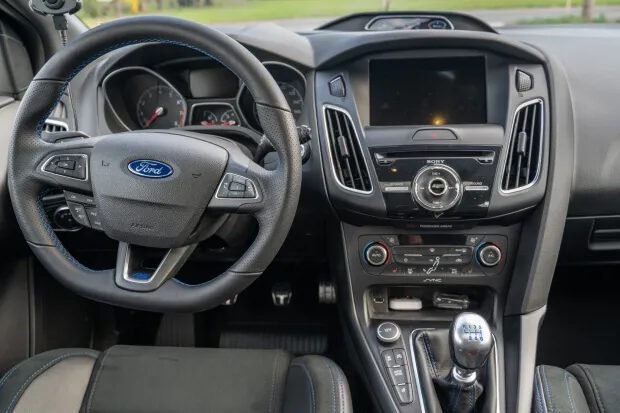
Ford’s negligence resulted in $30 million in cash settlements, with Australia adding a $10 million fine for good measure. The Department of Justice launched a fraud probe that’s still ongoing. Anyone considering an older Fiesta or Focus should budget for a transmission replacement, not just an oil change.
14. Nissan Altima Rogue Pathfinder (Exterior)
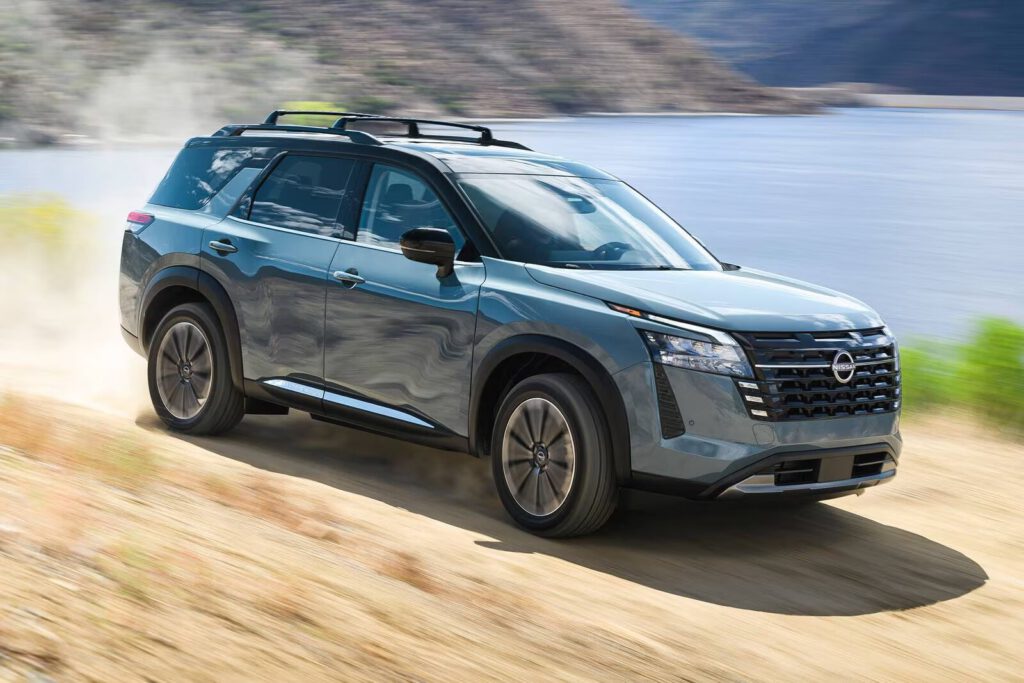
CVT transmissions in these models had more mood swings than a reality TV star.
Nissan’s CVT saga reads like a cautionary tale about cutting corners. Owners across Altima, Rogue, and Pathfinder models endured shuddering and overheating transmissions that failed as early as 20,000 miles. Settlements exceeded $277 million across multiple models, which tells you everything about the scale of this disaster.
Nissan Altima Rogue Pathfinder (Interior)
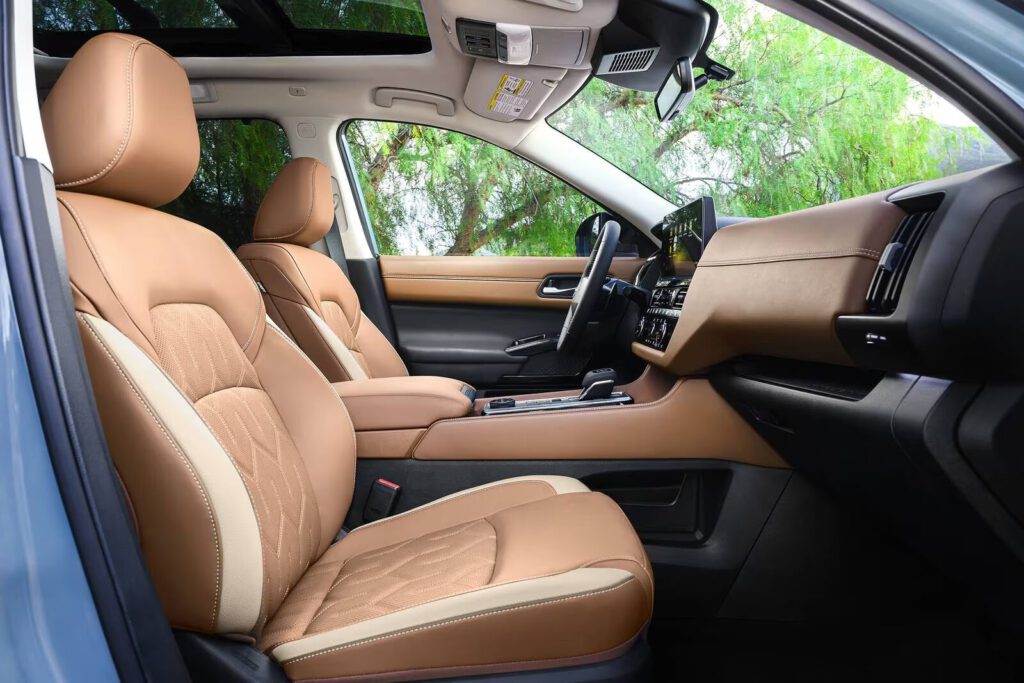
The warranty extension to 84 months or 84,000 miles sounds generous until you realize it’s damage control. These models racked up enough lemon law complaints to make a used car salesman nervous. Cross your fingers on every commute, but don’t expect miracles.
13. Jeep Cherokee 2014-2023 (Exterior)
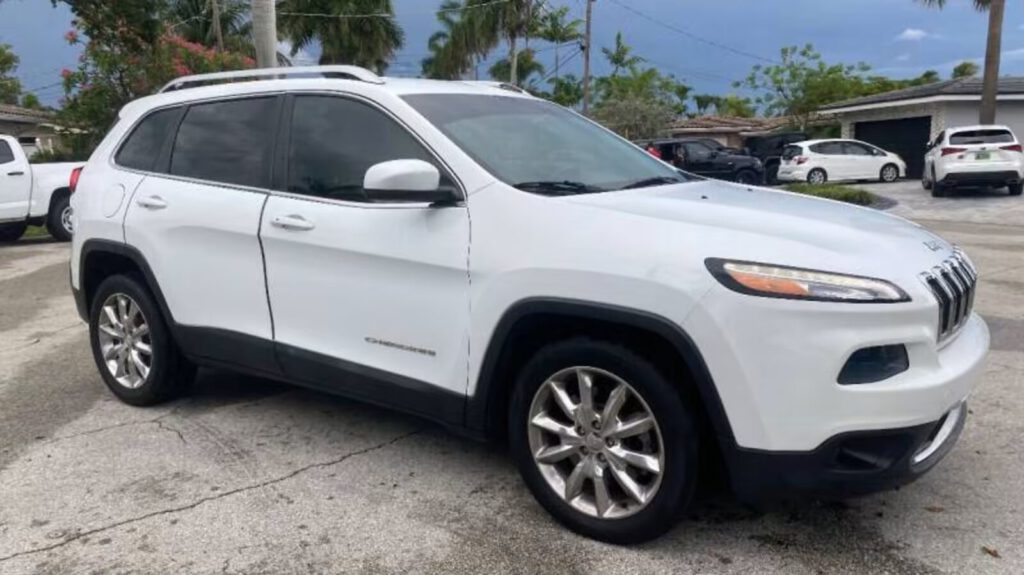
The ZF 9-speed transmission needed more therapy sessions than a Kardashian marriage.
Cherokee owners discovered their transmissions shifted like caffeinated squirrels, requiring 11+ software updates to achieve basic functionality. The ZF 9-speed automatic became infamous for jerking, stalling, and randomly slipping into neutral during highway merges. Some Canadian owners paid $16,000 just to keep their Cherokee moving forward.
Jeep Cherokee 2014-2023 (Interior)
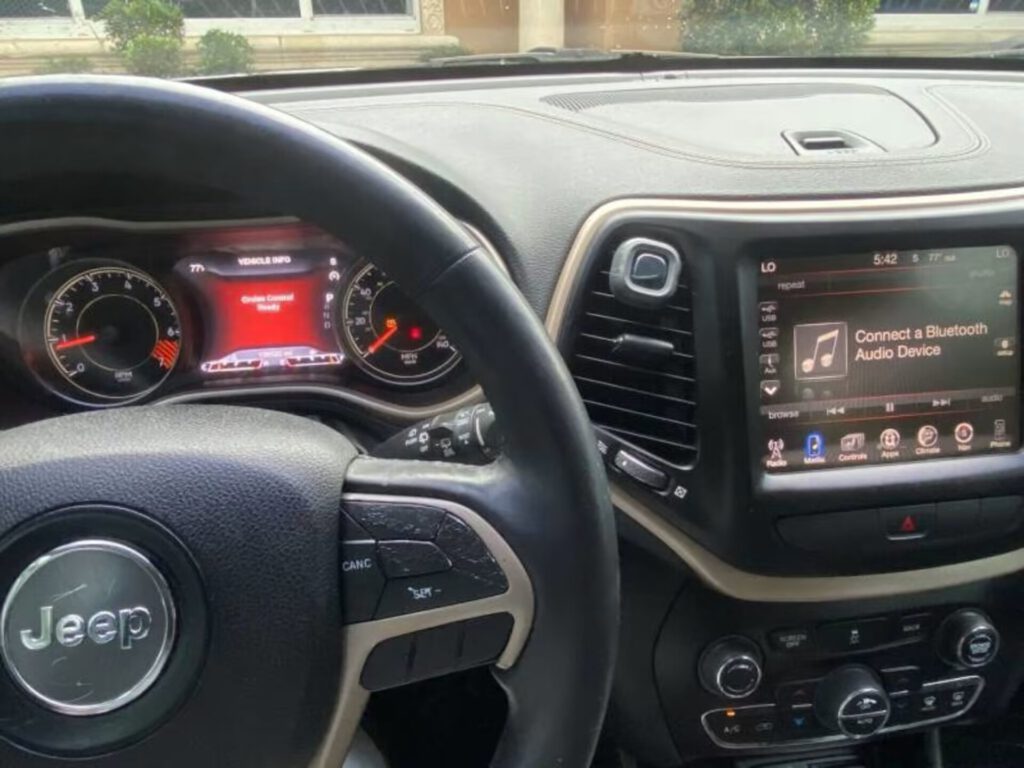
A 2016 recall affected 329,540 vehicles, proving this wasn’t isolated bad luck. Clutch replacements became routine maintenance, yet fundamental design flaws persisted. Skip any Cherokee where the transmission acts like it’s auditioning for a demolition derby.
12. Chevrolet Equinox 2010-2017 (Exterior)
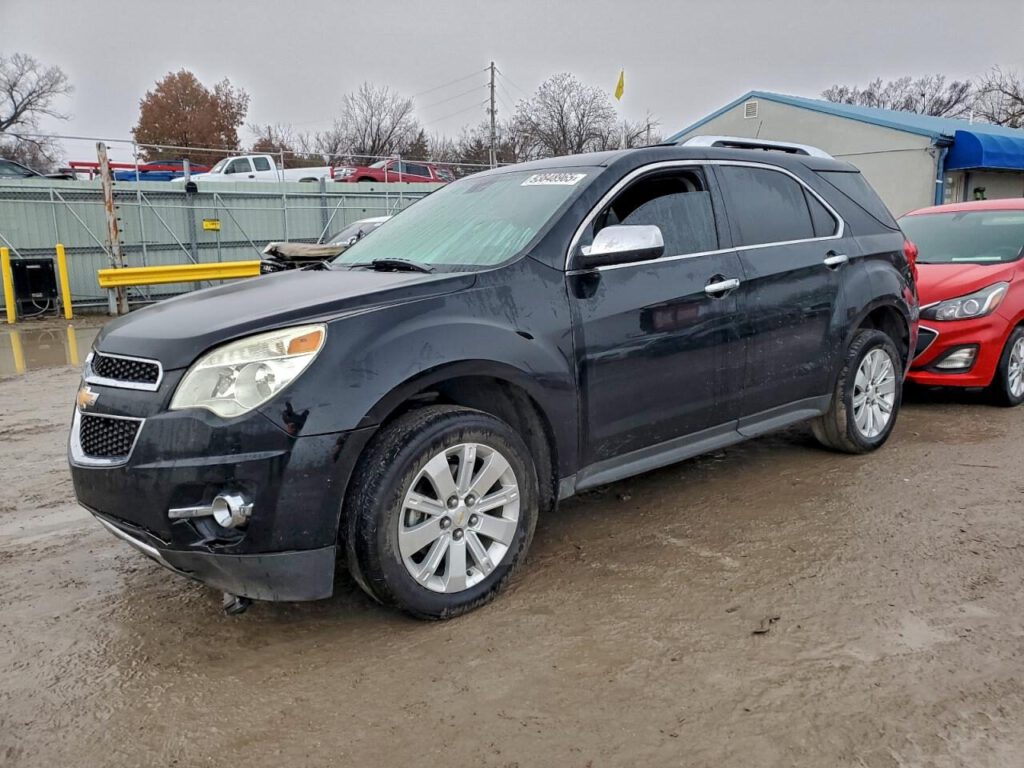
These engines burned oil faster than a college student burns through ramen money.
Equinox models from 2010-2017 consumed one quart of oil every 1,000 miles thanks to defective piston rings in the 2.4L Ecotec engine. GM’s solution? “Keep an eye on it.” Ignoring oil levels meant engine seizure, stranding owners like contestants on “Naked and Afraid.”
Chevrolet Equinox 2010-2017 (Interior)
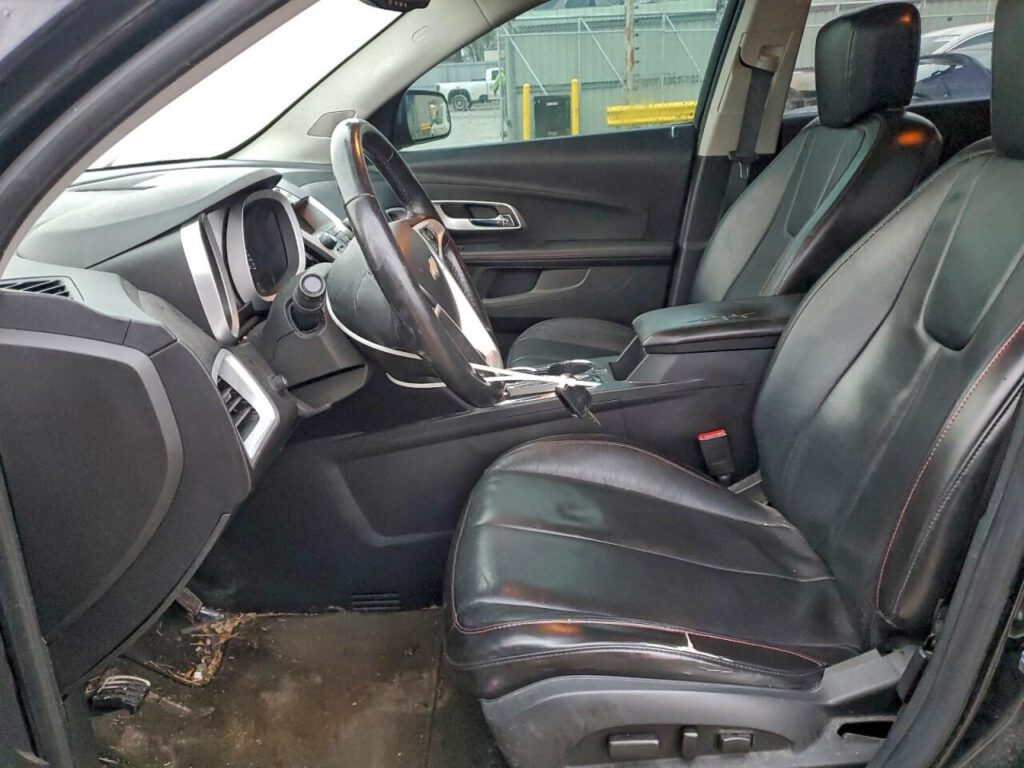
The defective piston rings led to a class-action settlement, but the damage was done. Frequent shop visits for oil leaks and engine failures became standard ownership experience. When a manufacturer’s fix involves constant vigilance rather than actual repair, run.
11. Jeep Grand Cherokee (Exterior)
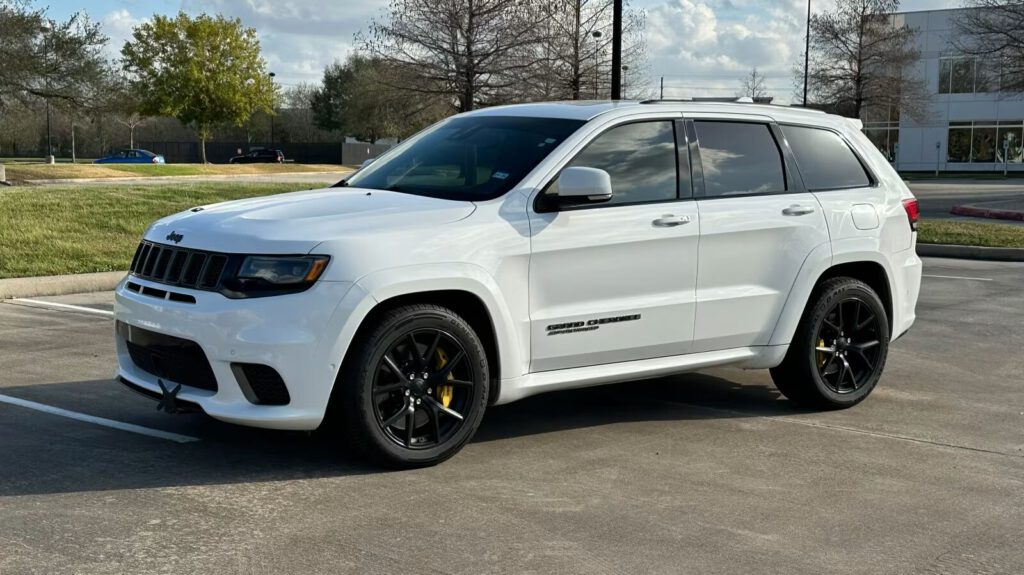
RepairPal ranked it 15th out of 26 midsize SUVs, which is like getting a participation trophy in reliability.
Grand Cherokees demand extended warranties before factory coverage expires, and mechanics aren’t pushing them for commission. These SUVs suffer from premature parts failures and transmission nightmares that drain wallets faster than Vegas slot machines. RepairPal’s 3.5 out of 5 rating tells the whole story.
Jeep Grand Cherokee (Interior)
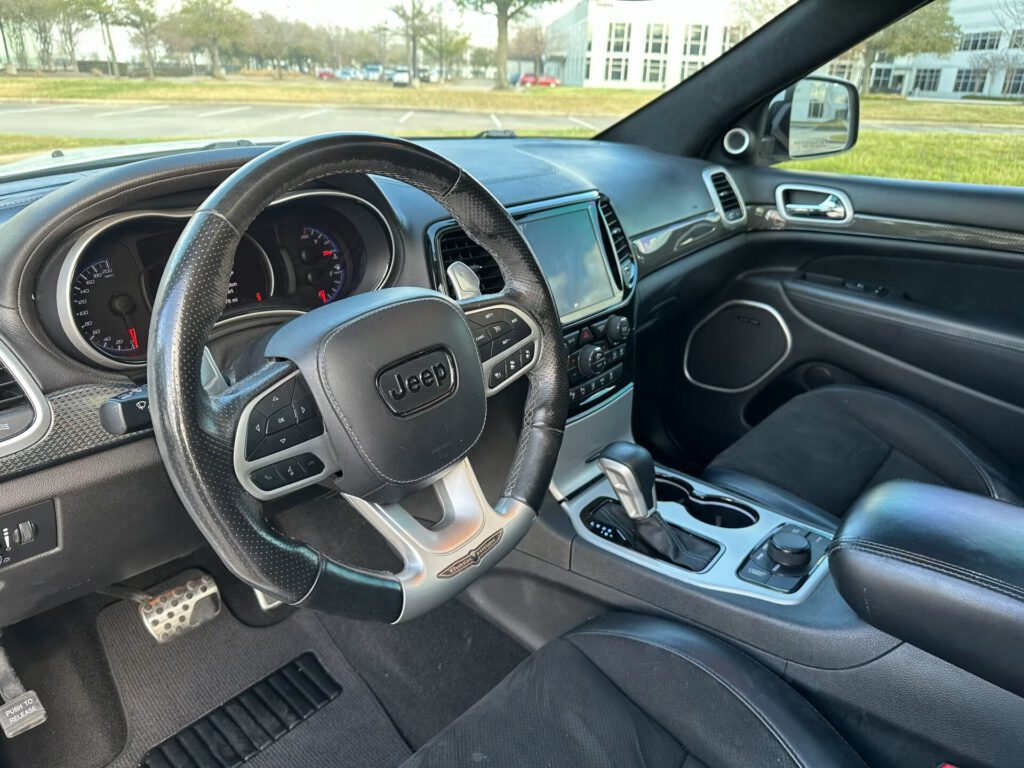
Ownership feels like dating that chronically late friend—charming but unreliable. Dealership visits become routine, check engine lights provide regular entertainment, and roadside assistance numbers get memorized. Looking good at the trailhead loses appeal when you’re always calling tow trucks.
10. Jeep Wrangler 2024 (Exterior)
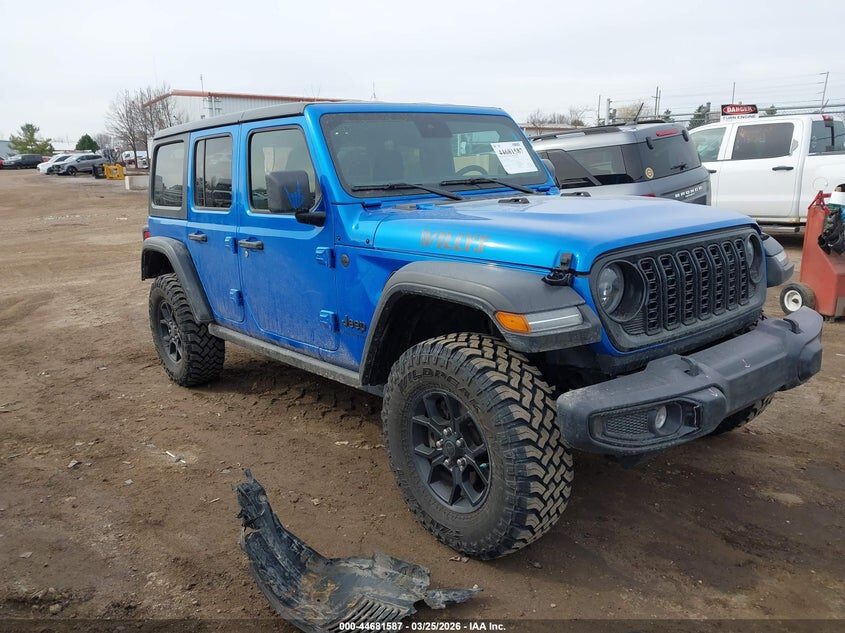
Consumer Reports gave it their lowest reliability rating, proving even icons can disappoint.
The 2024 Wrangler earned Consumer Reports’ worst reliability score, with issues spanning steering, suspension, drive systems, and electrical components. Modern Wranglers prioritize tech over dependability, turning simple trail fixes into software debugging marathons requiring IT degrees instead of basic tools.
Jeep Wrangler 2024 (Interior)
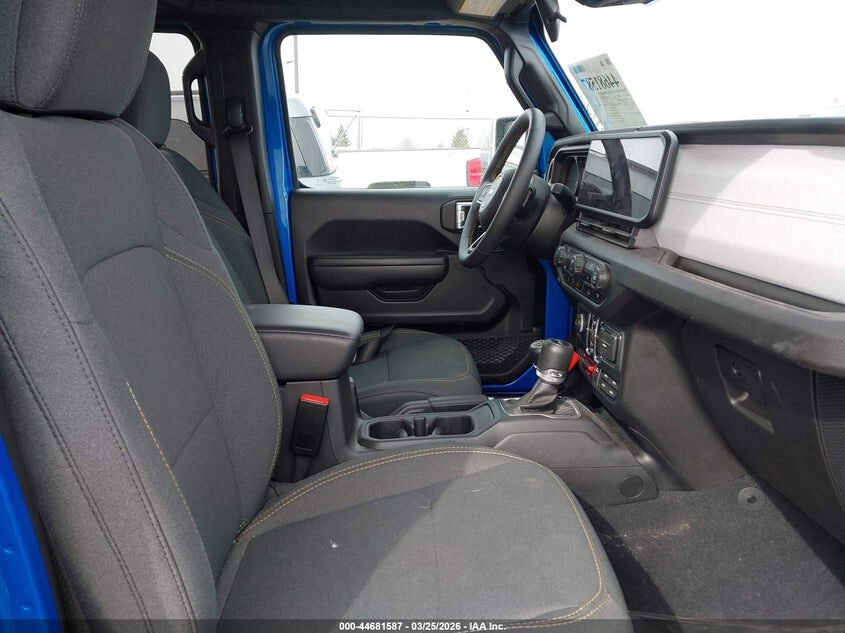
Previous Wranglers could be rebuilt with duct tape and determination. Today’s versions need dealer diagnostics for burnt-out bulbs. When your off-road vehicle can’t handle repairs in the wilderness, something’s fundamentally broken.
9. Tesla Model 3 (Exterior)
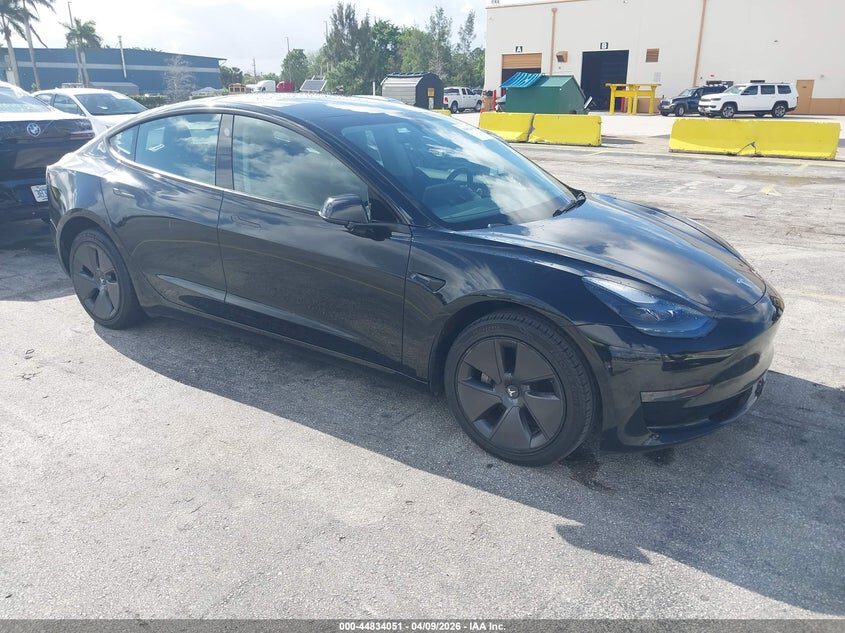
Software locks make this car harder to fix than a broken relationship.
Model 3 owners face battery and motor repairs exceeding their vehicle’s depreciated value, thanks to unique materials and gigacastings that require Tesla-specific expertise. The company’s service monopoly prevents third-party repairs through software restrictions, turning simple fixes into expensive ordeals.
Tesla Model 3 (Interior)
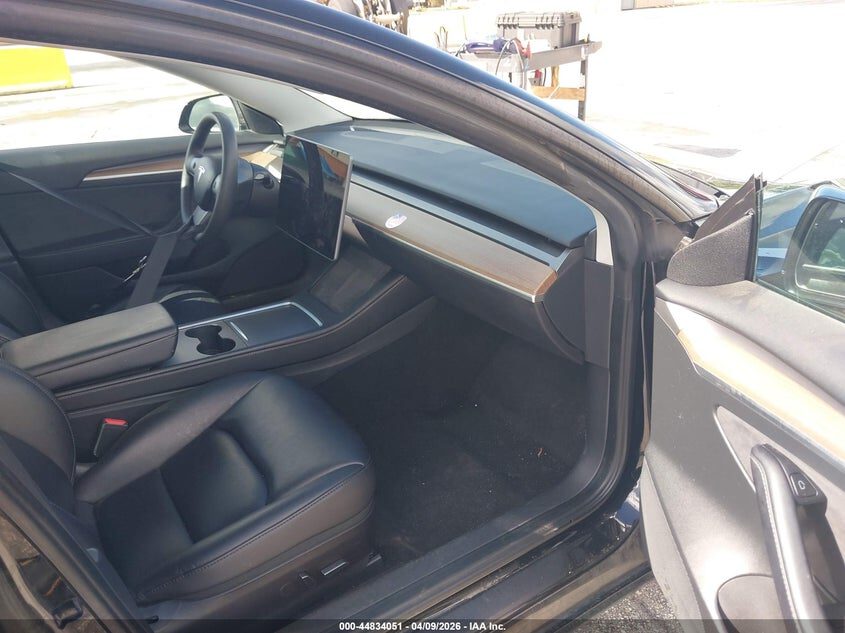
Insurance costs reflect repair realities—premium rates for proprietary parts and limited service networks. Tesla owners drive the future on the company’s terms exclusively, with wallets lighter than their carbon footprint.
8. Mercedes-Benz (Exterior)
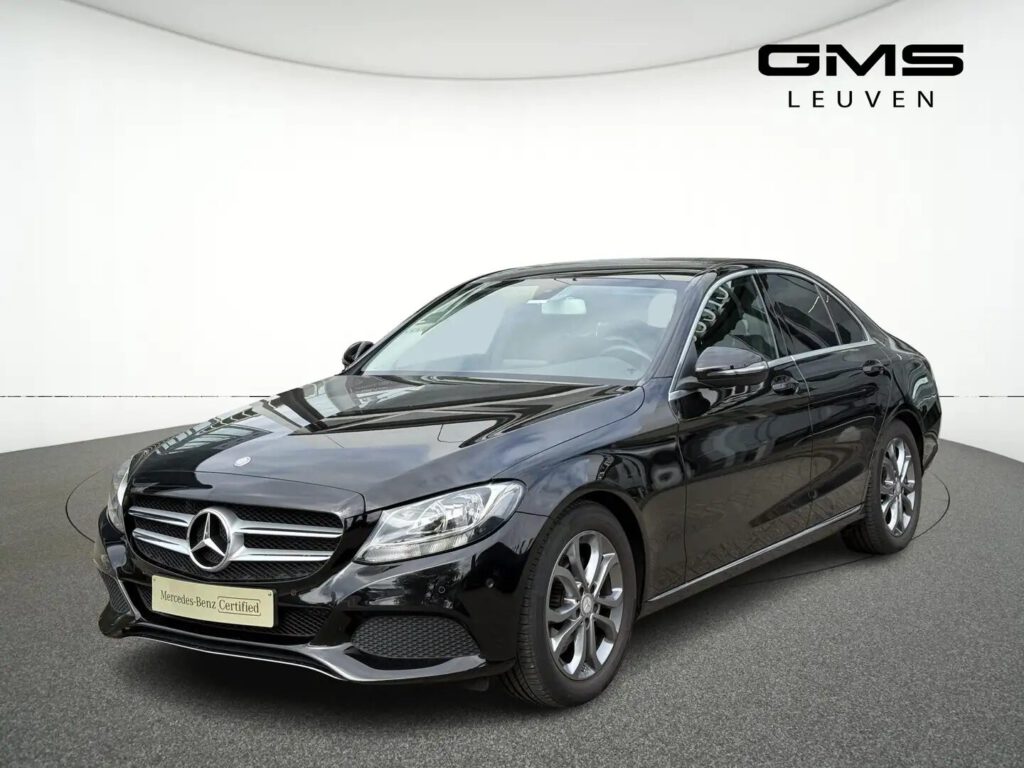
JD Power reported 218 problems per 100 vehicles, making reliability an expensive luxury.
Mercedes models between $40,000-$110,000 average $15,986 in maintenance over ten years, with frequent repairs targeting complex transmissions and driver assist systems. Modern Benzes prioritize tech features over bulletproof engineering, requiring software updates for basic functions like headlight changes.
Mercedes-Benz (Interior)
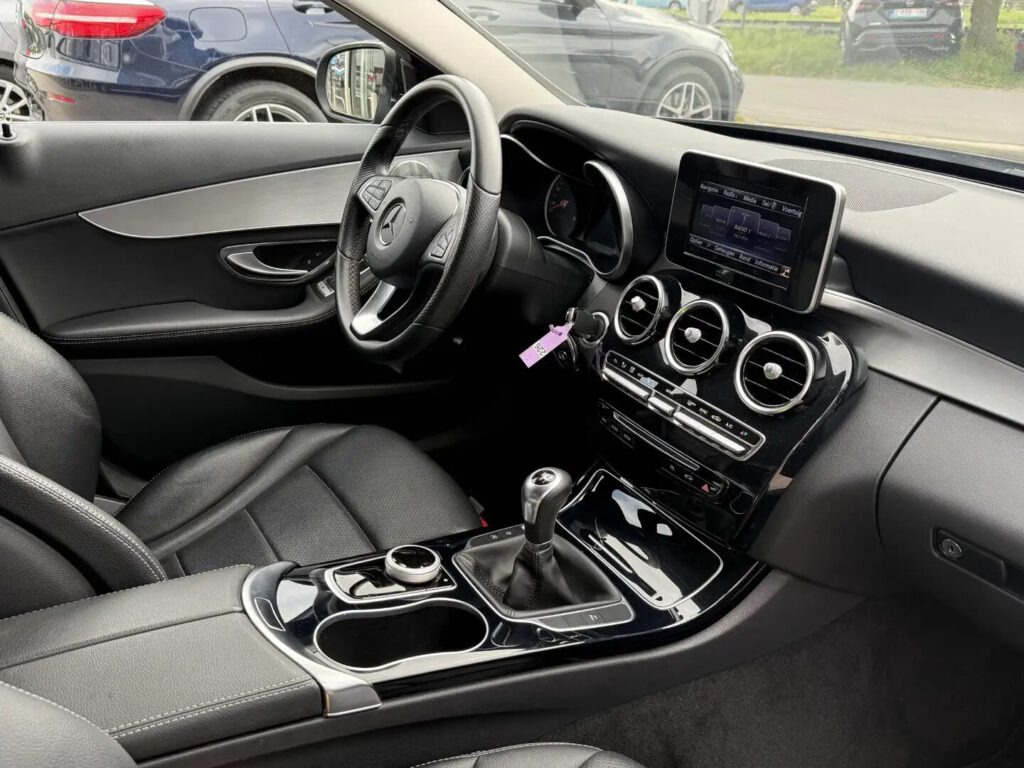
Mechanics prefer older W123 models that die with dignity rather than requiring computer diagnostics for routine maintenance. When luxury means frequent service visits, the prestige loses its shine faster than chrome in a car wash.
7. Land Rover (Exterior)
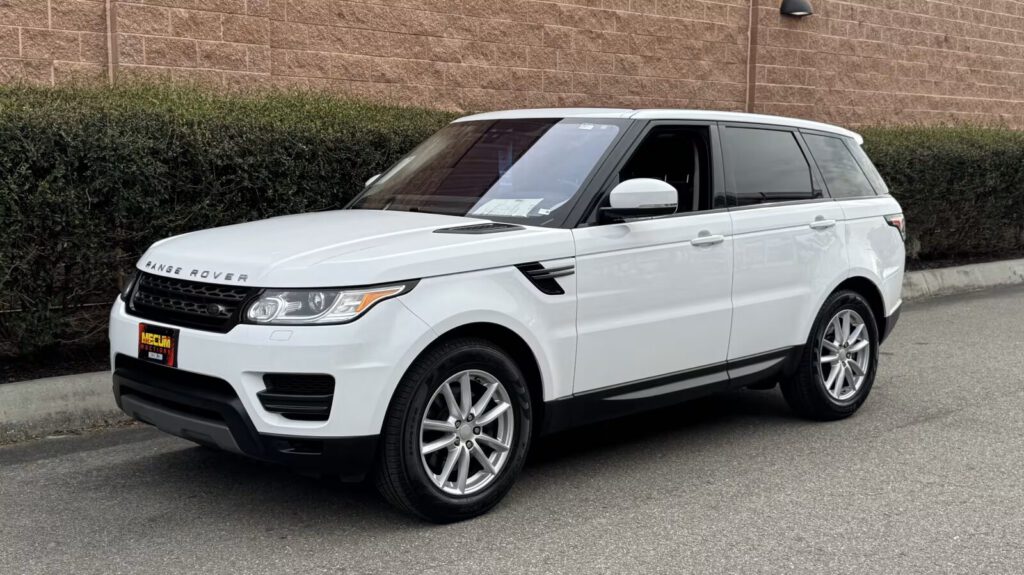
Annual repair costs average $1,174, making loaner car arrangements a full-time job.
Land Rover owners starting around $58,000 shell out $1,174 annually in repairs, totaling $18,569 over ten years. These British SUVs excel at off-road adventures but spend more time scheduling repairs than scaling mountains. Depreciation accelerates faster than Bitcoin crashes.
Land Rover (Interior)
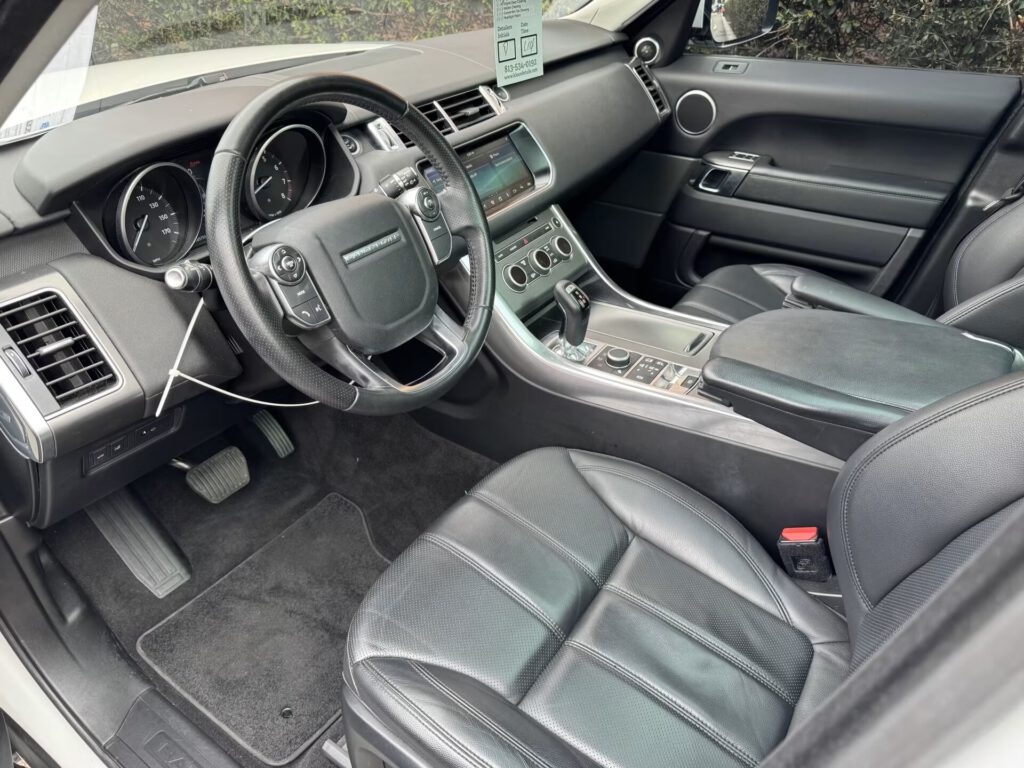
Aspirational luxury meets financial reality when maintenance exceeds car payments. The off-road lifestyle looks compelling until repair bills arrive monthly like subscription services nobody wants.
6. Volkswagen ID.4 (Exterior)
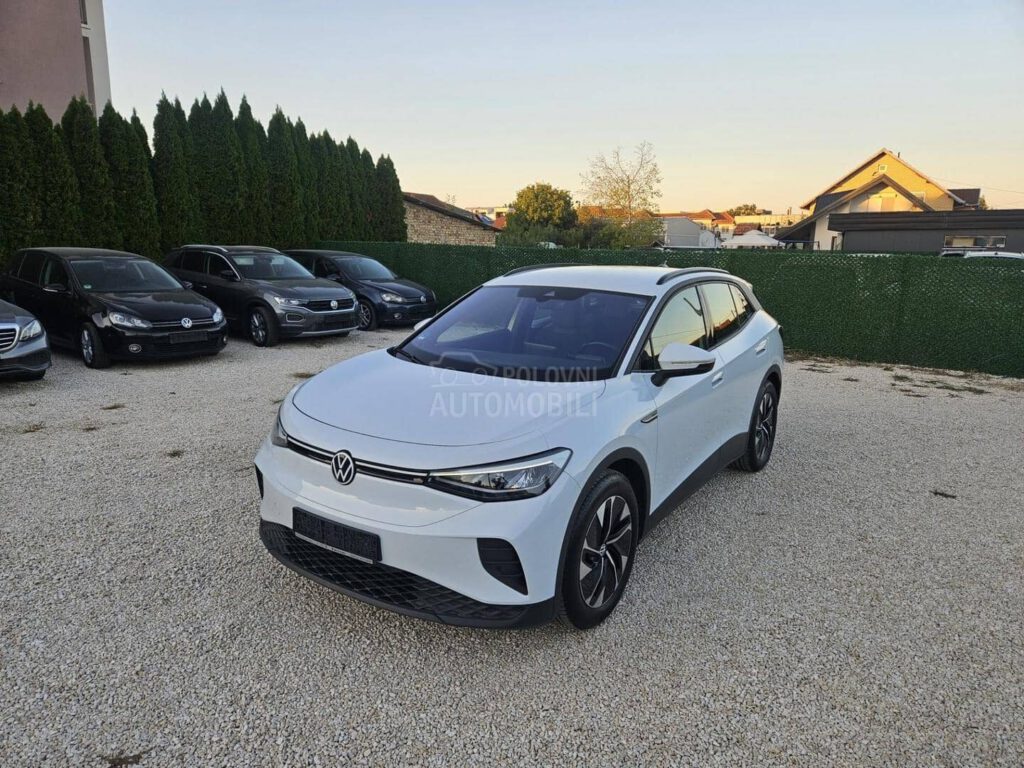
Consumer Reports scored it 29 out of 100, making it persona non grata at reliability parties.
The ID.4 accumulated 34+ recalls in four model years, with faulty onboard chargers causing power loss during highway merges. JD Power ranked Volkswagen dead last with 285 problems per 100 vehicles, proving electric doesn’t automatically mean dependable.
Volkswagen ID.4 (Interior)
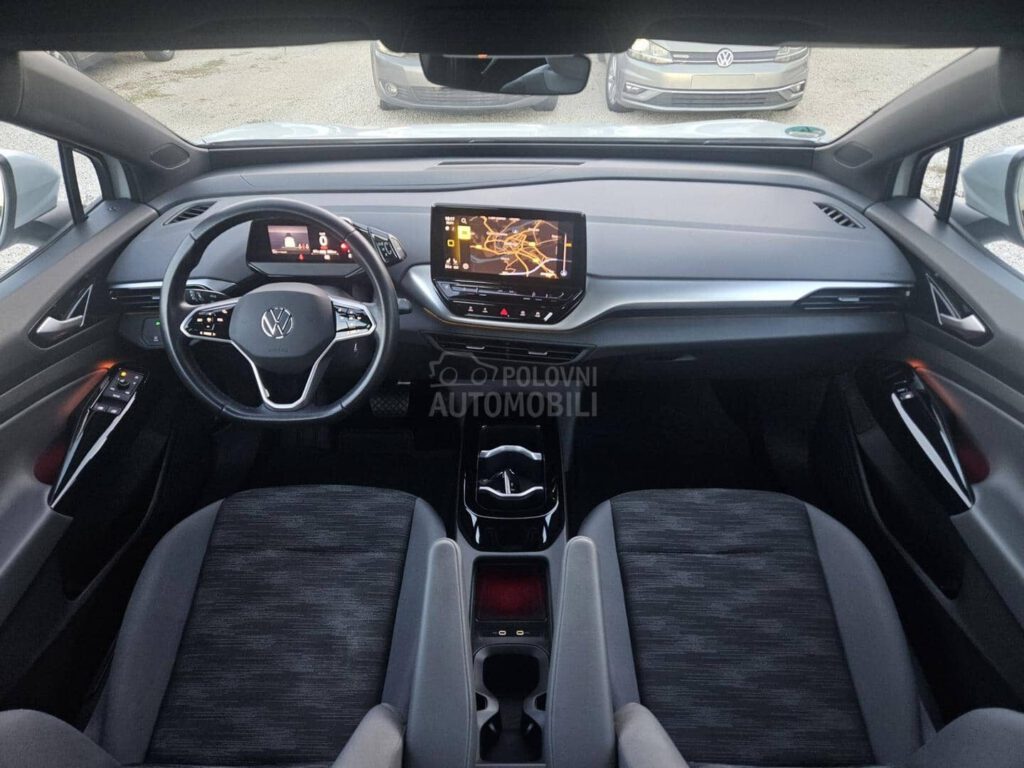
Losing power mid-merge because of glitchy chargers turns daily commutes into survival exercises. VW’s reliability struggles across their lineup make ownership feel like waiting for inevitable breakdowns.
5. Cadillac (Exterior)
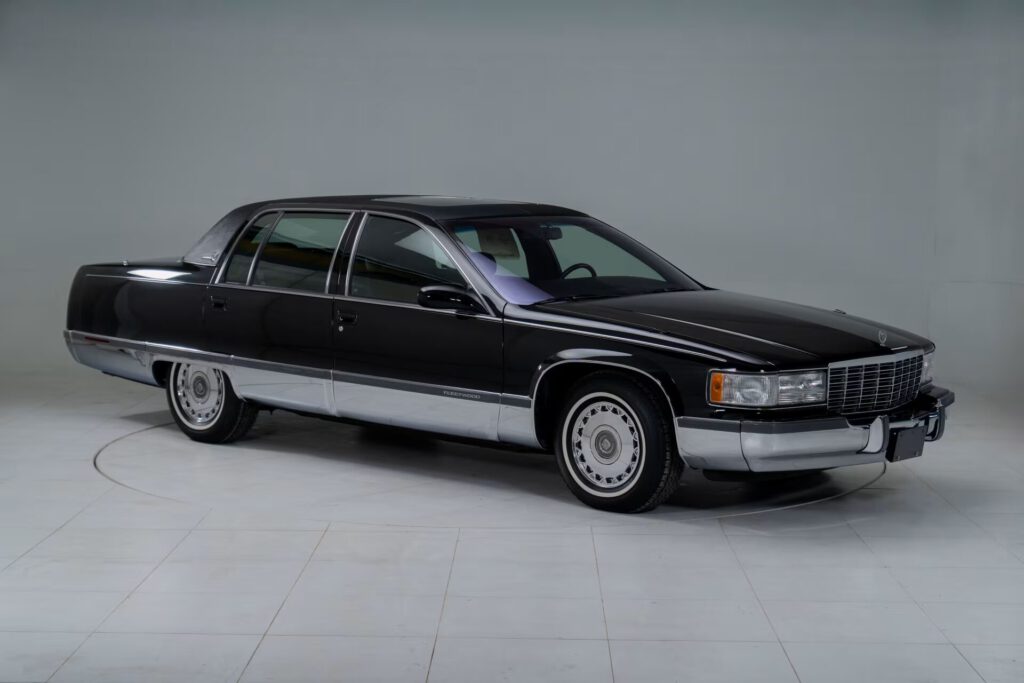
Consumer Reports ranked them dead last in reliability surveys, making luxury ironically unreliable.
Cadillac consistently ranks bottom-tier for reliability, with chronic suspension issues and electrical nightmares becoming standard features. Parts cost more than unobtanium and take longer to source than college degrees. Mechanics diagnose problems before owners finish describing symptoms.
Cadillac (Interior)
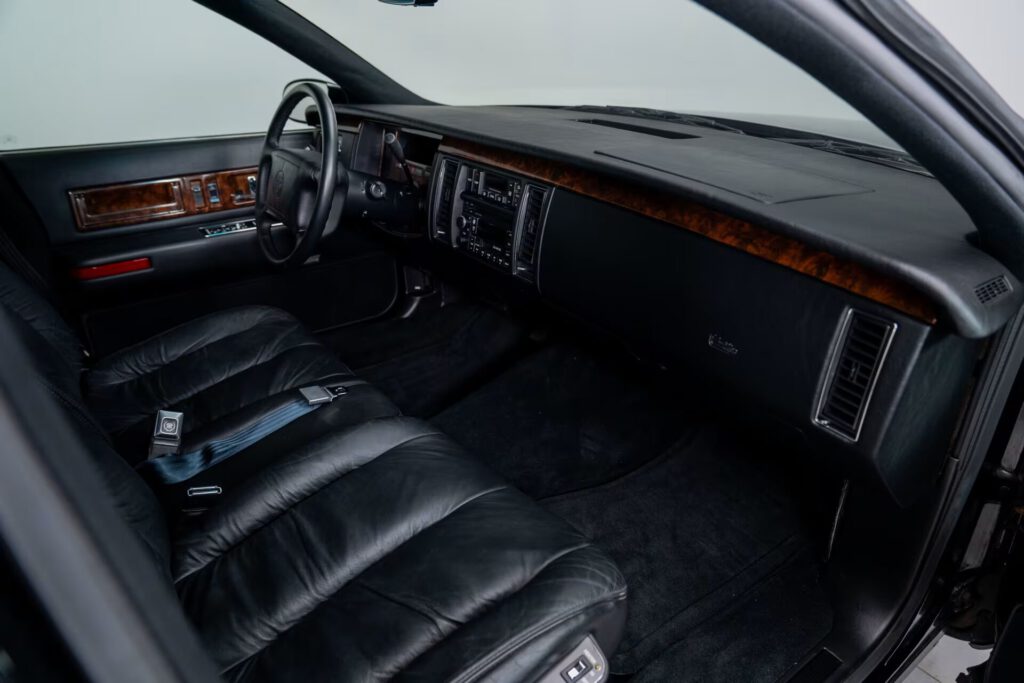
When luxury brands can’t deliver basic dependability, the premium pricing becomes insult added to injury. Cadillac’s quality decline transformed from gradual slide to full-blown avalanche.
4. Dodge Dart (Exterior)
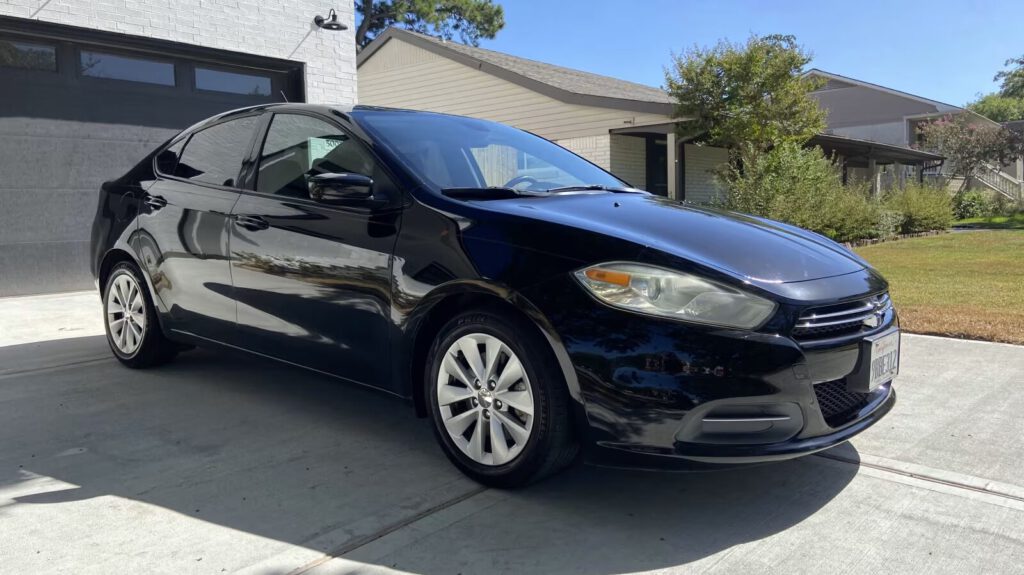
The 2015 model’s engine stalling turned highway merges into high-stakes gambling.
Dodge Dart engines consumed excessive oil due to failing piston rings and valve seals, causing random stalling at highway speeds. Multiple recalls addressed engine and electrical issues, but fundamental problems persisted throughout the model’s brief production run.
Dodge Dart (Interior)
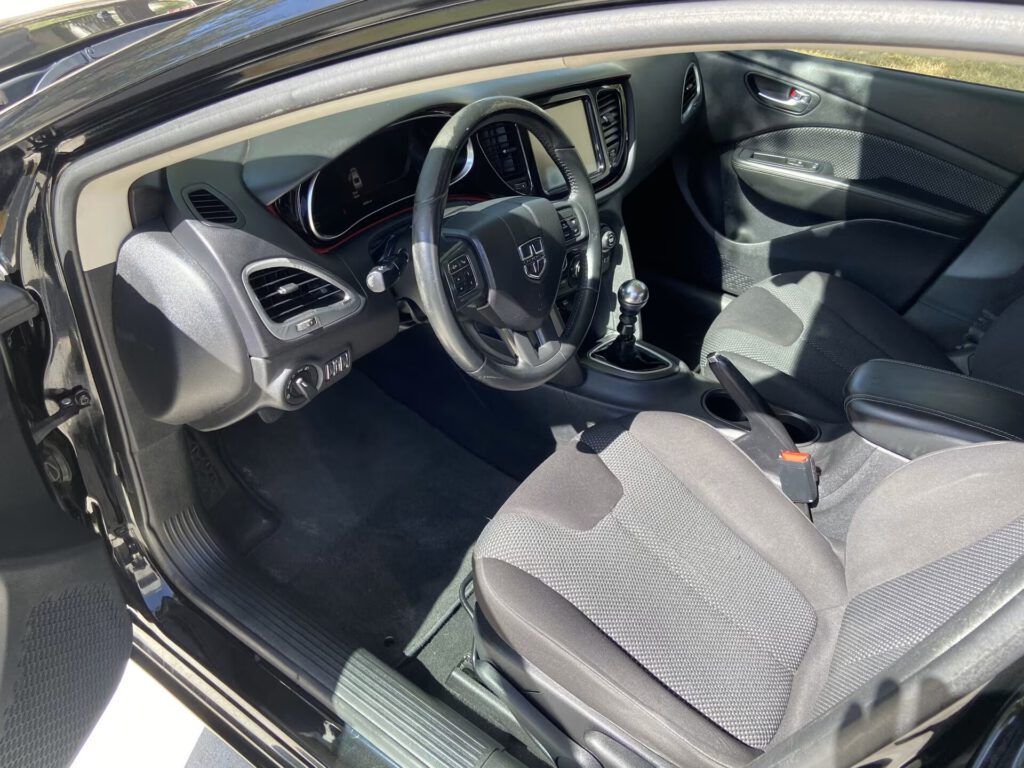
Daily commutes became life-threatening gambles when engines cut out during highway merges. The Dart proved that sometimes dodging a bullet means avoiding the showroom entirely.
3. Fiat 500 (Exterior)
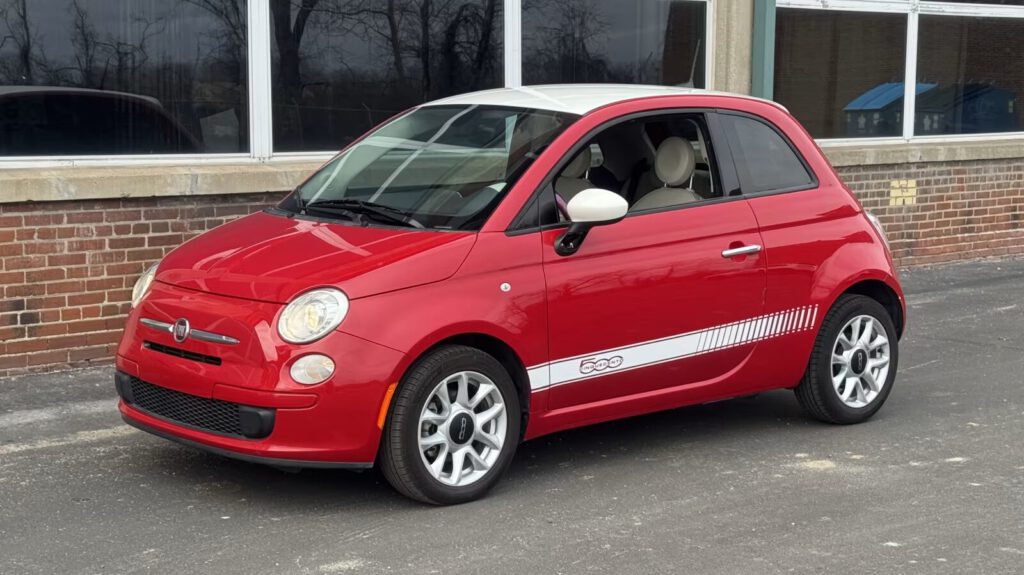
Timing chain failures made this cute car less charming than a stranded date.
The 500‘s 1.4L MultiAir engine developed timing chain problems that left owners roadside faster than bad Tinder dates. Build quality declined when production shifted to Mexico and Poland, with Consumer Reports delivering consistently low reliability ratings.
Fiat 500 (Interior)
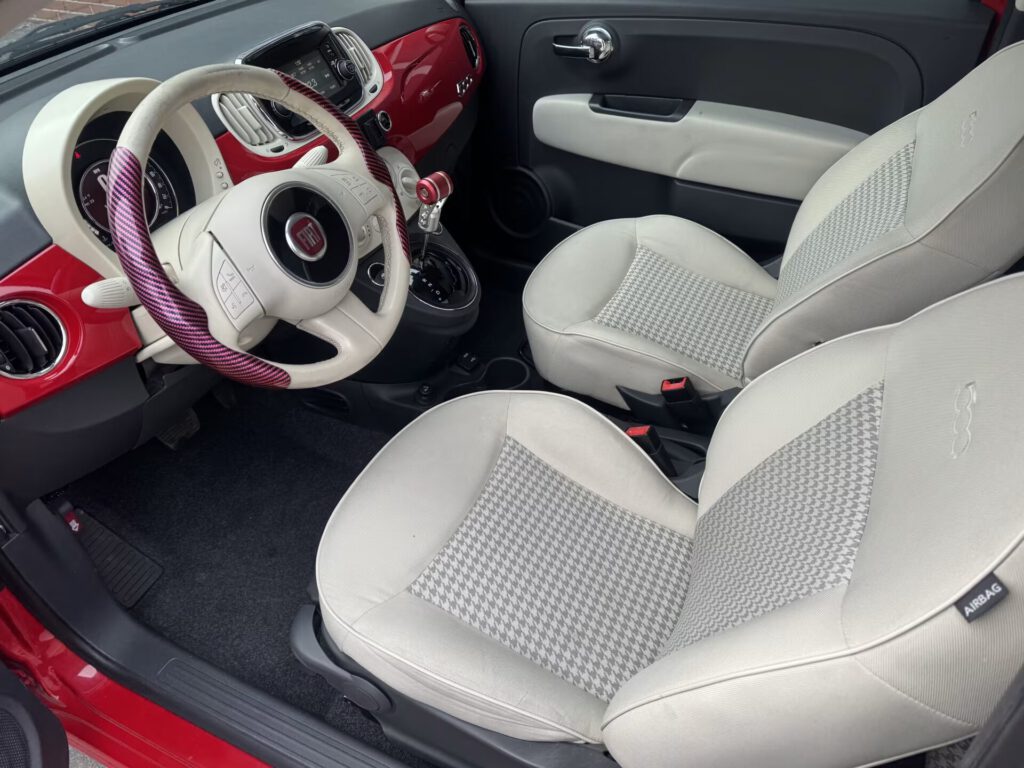
Cuteness can’t compensate for constant breakdowns. Dating someone solely for looks works until they strand you without warning—same principle applies to cars.
2. BMW X3 (Exterior)
Sophisticated electronics require dealer diagnostics, making routine repairs premium-priced ordeals.
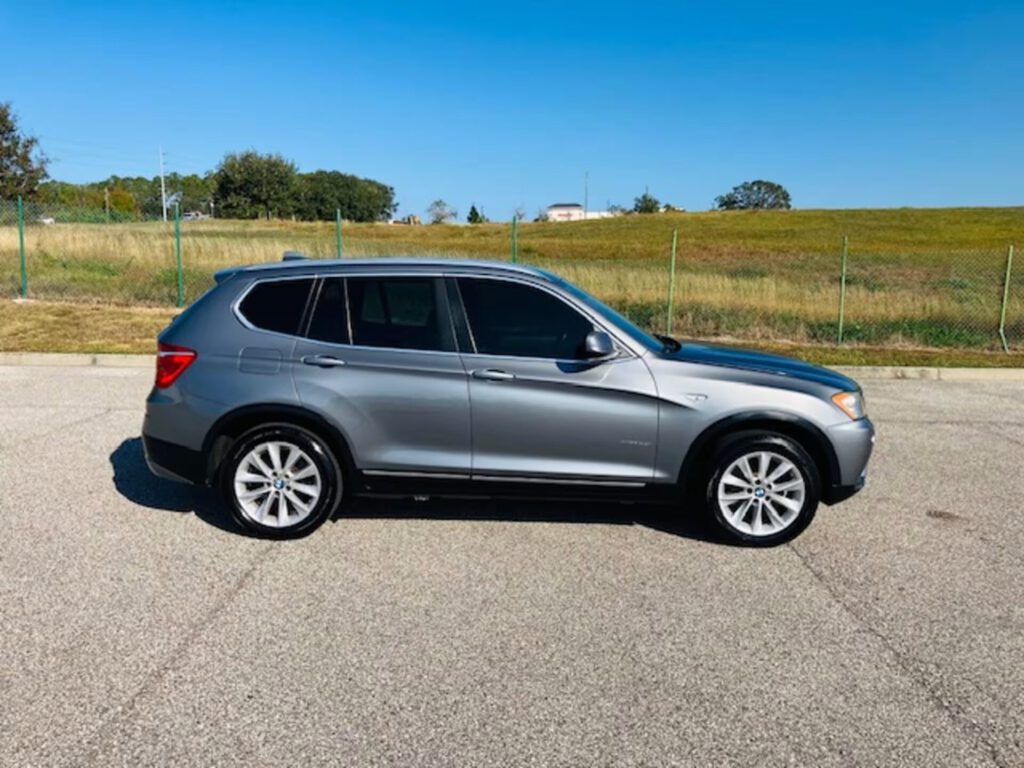
X3 models since 2003 feature complex electronics demanding BMW-specific diagnostics and premium labor rates. Despite depreciating 50-70% over five years, maintenance costs remain luxury-level expensive. Earlier models suffered timing chain problems alongside electrical faults.
BMW X3 (Interior)
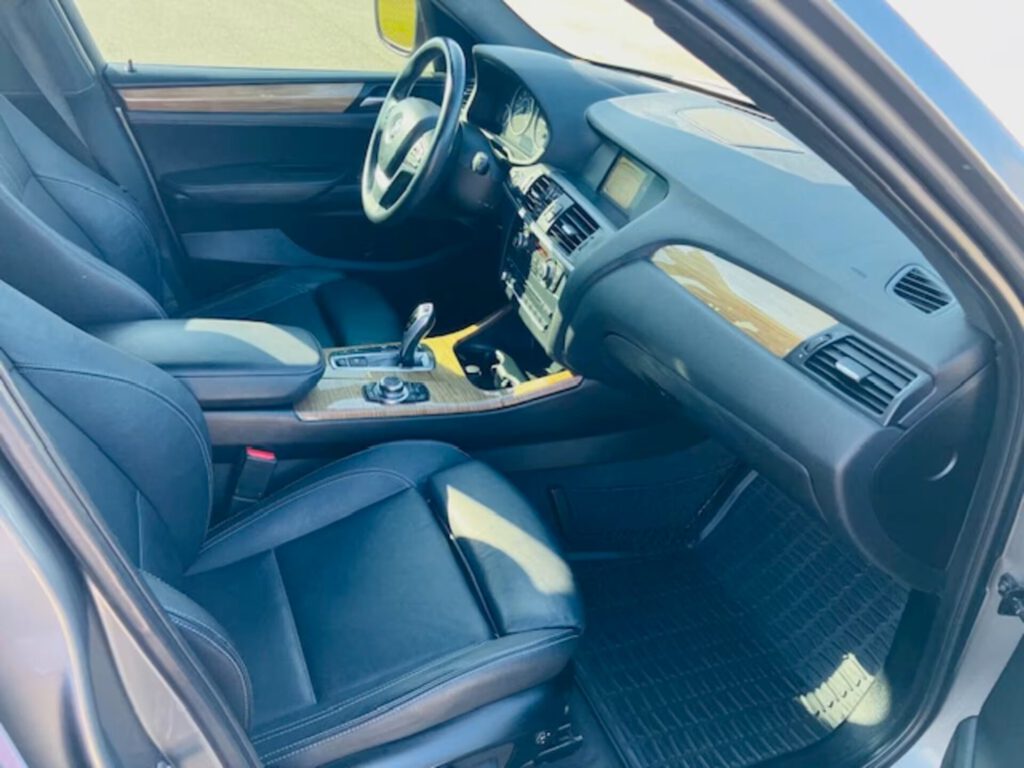
Paying luxury repair costs for depreciated vehicles creates mathematical impossibilities. When diagnostic fees exceed vehicle values, the arithmetic stops making sense entirely.
1. Rivian R1T (Exterior)
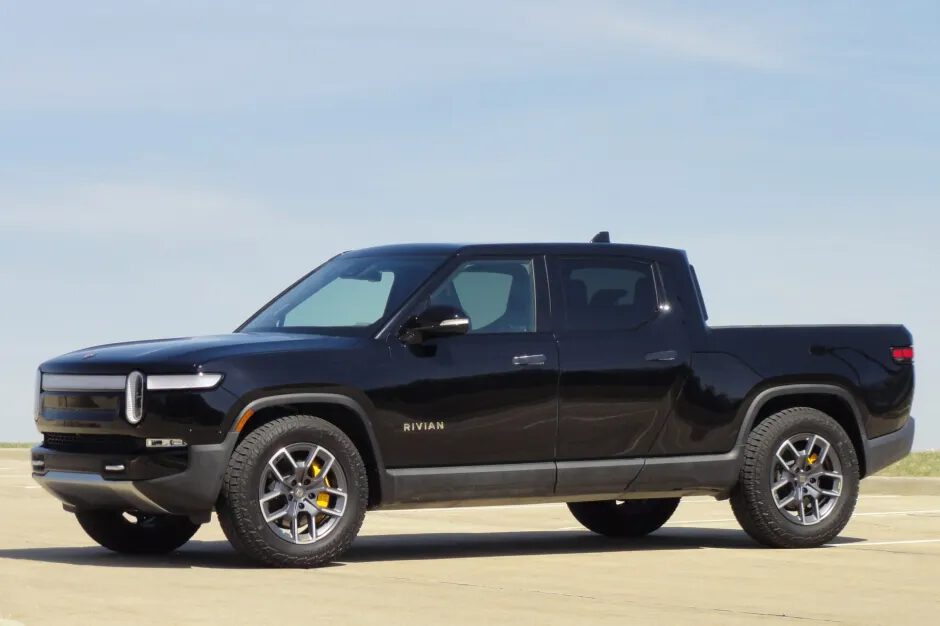
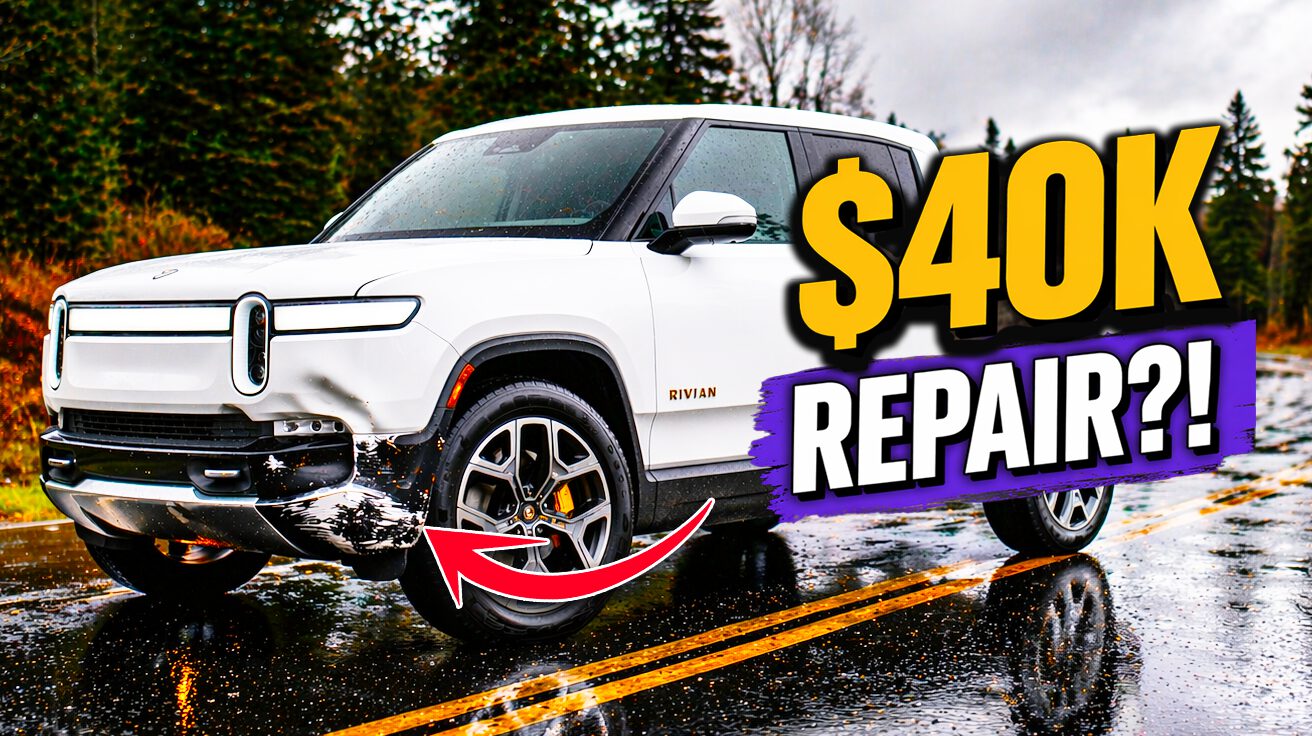
Minor bumper damage can trigger $42,000 repair bills faster than you can say “early adopter.”
The R1T’s $73,000 starting price comes with repair costs that make collision insurance rival rent payments. Minor bumper damage requires complete rear-end disassembly due to aluminum construction, turning fender-benders into financial disasters. Limited service networks mirror Tesla’s monopolistic approach.
Rivian R1T (Interior)
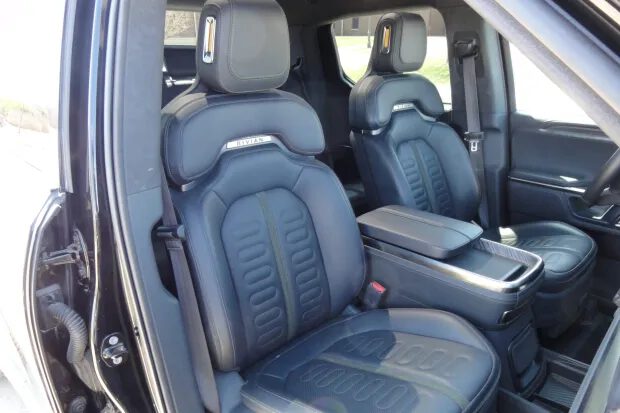
Early EV adoption means beta-testing expensive technology with your own money. Pioneers historically take arrows, but modern pioneers take them straight to their bank accounts.