Believing every glossy brochure promising automotive perfection is tempting, but some new cars deliver more headaches than horsepower. Saving money and dodging buyer’s remorse means steering clear of vehicles with known issues, questionable reliability, or features that sound brilliant in theory but crash in practice. Our list examines models like the Volkswagen ID Buzz, Nissan Rogue, Ford Bronco Sport, General Motors 6.2 V8, Nissan Leaf, and Dodge Hornet, spotlighting potential pitfalls that could turn your dream ride into a financial nightmare.
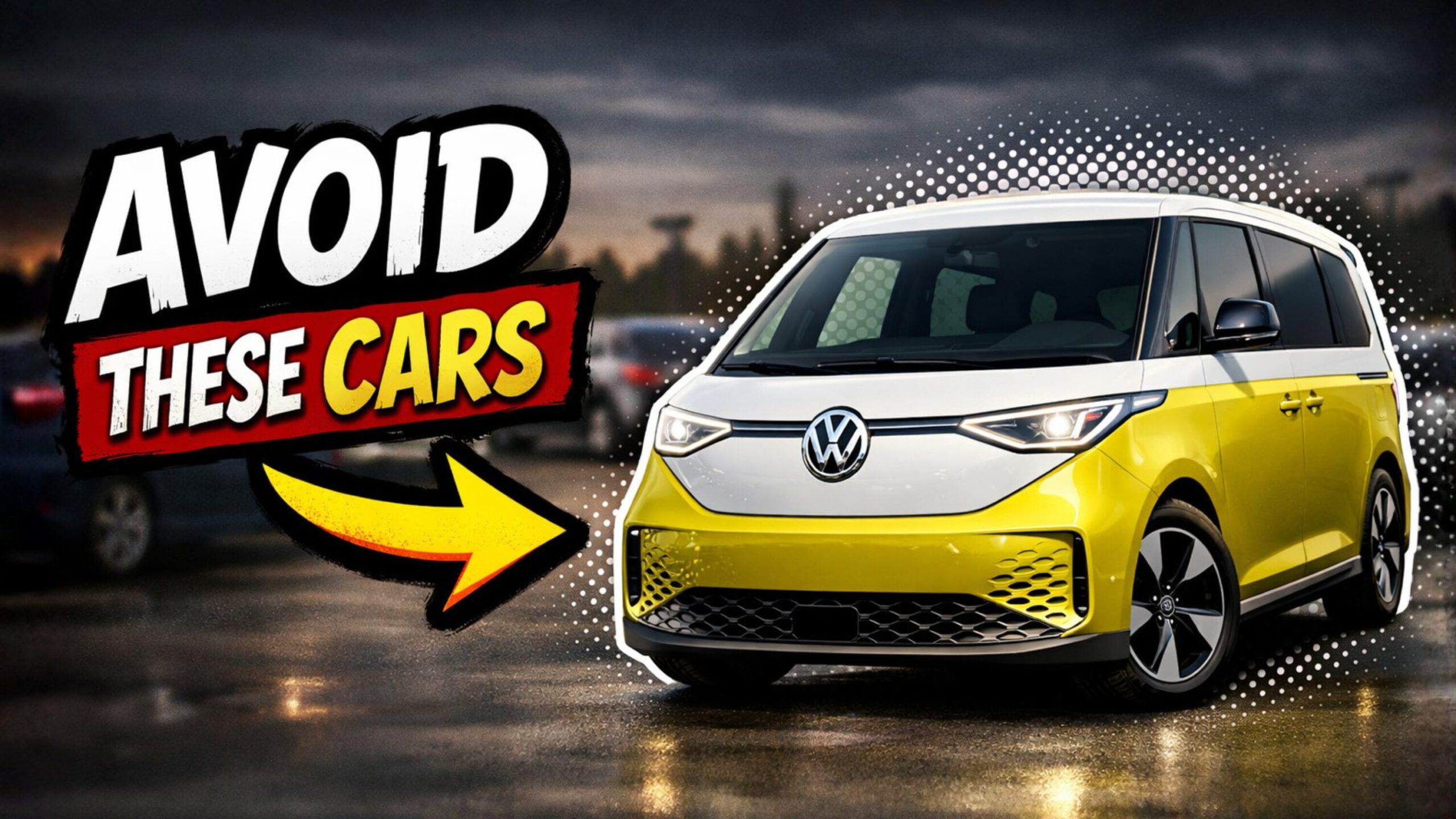
6. Volkswagen ID Buzz (Exterior)

The all-electric revival of van life comes with a side of range anxiety and sticker shock.
The all-electric Volkswagen ID Buzz promises to resurrect the glory days of van life with its retro Microbus design, but VW enthusiasts are already side-eyeing the $59,995 to $70,540 price tag. Even more concerning is the 231-mile range for AWD models—234 miles for the rear-wheel-drive Pro S.
Volkswagen ID Buzz (Interior)
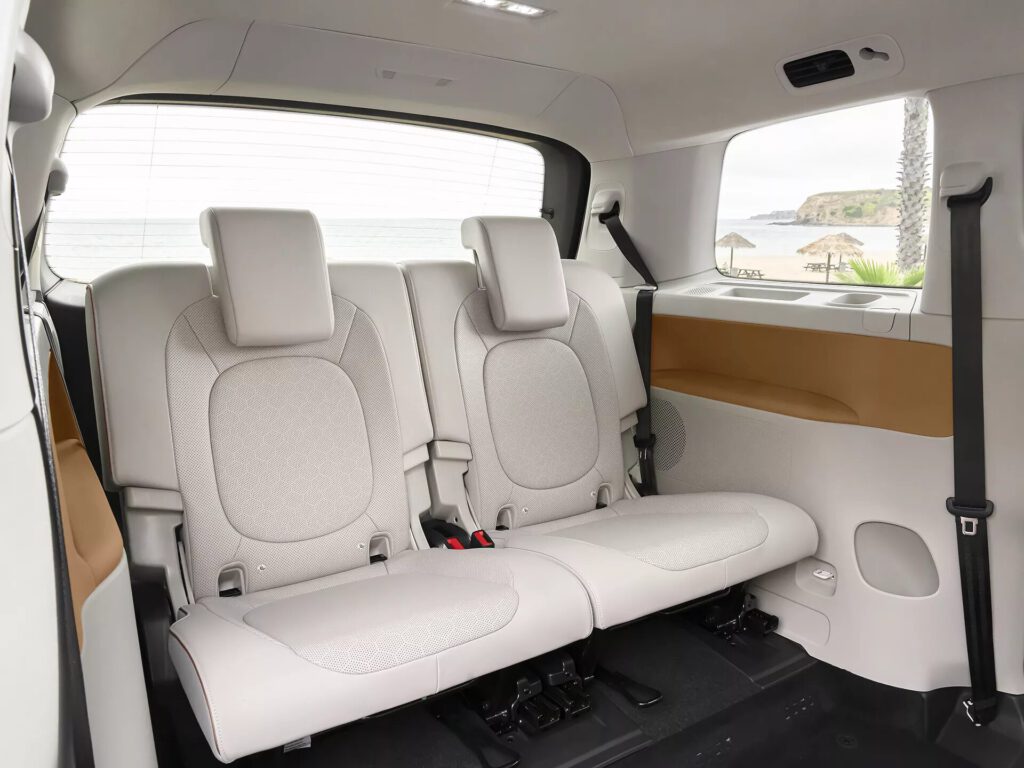
Without a gas or diesel backup, you’re betting everything on electric infrastructure. Cross-country treks become a series of charging stops that’ll make you feel tethered to wall sockets rather than cruising Route 66. VW even skipped the 2026 model year entirely to roll out updates in 2027, suggesting they know improvements are desperately needed.
5. Nissan Rogue (Exterior)
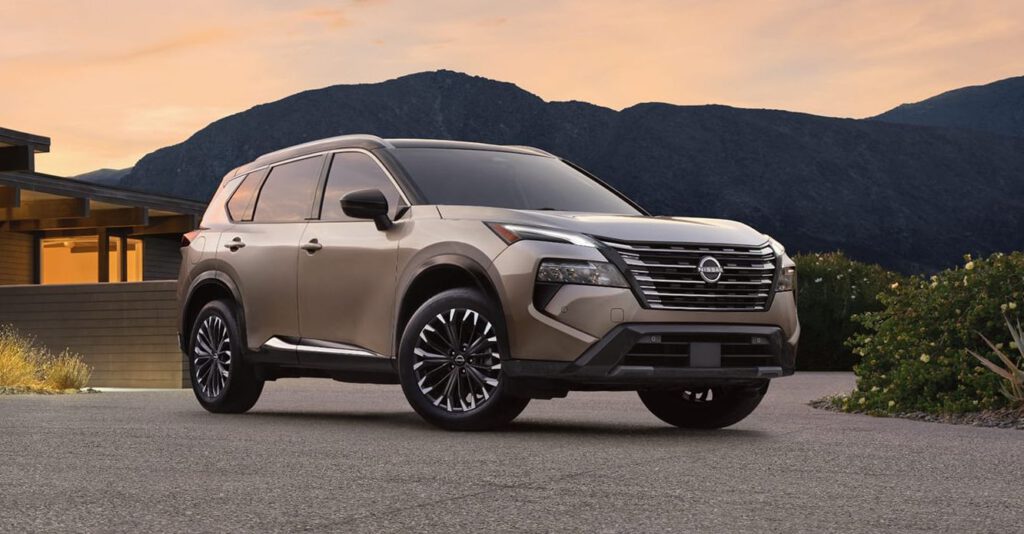
The compact SUV that makes CVT transmission failures feel like a lottery nobody wants to win.
Picture shelling out over $40,000 for an SUV, only to face transmission failure shortly after the warranty expires. That’s the looming shadow over the Nissan Rogue, notorious for CVT hiccups across multiple generations. While newer models feature a VC-Turbo 1.5L three-cylinder engine pushing 201 hp, the reliability track record still raises eyebrows.
Nissan Rogue (Interior)

The Rogue’s prevalence in rental fleets creates another problem—lower resale values when you’re ready to trade up. It’s the automotive equivalent of being stuck in the friend zone: practical and present, but unlikely to spark joy or retain long-term value.
4. Ford Bronco Sport (Exterior)

This unibody pretender promises adventure but delivers suburban mall crawling at premium prices.
Unlike the legendary Bronco, the Bronco Sport isn’t a body-on-frame beast. Starting north of $30,000 and easily hitting $40,000, this crossover promises adventure but delivers mild off-road capability. It’s like that friend who claims they’re outdoorsy but only hikes when there’s a brewery at the summit.
Ford Bronco Sport (Interior)
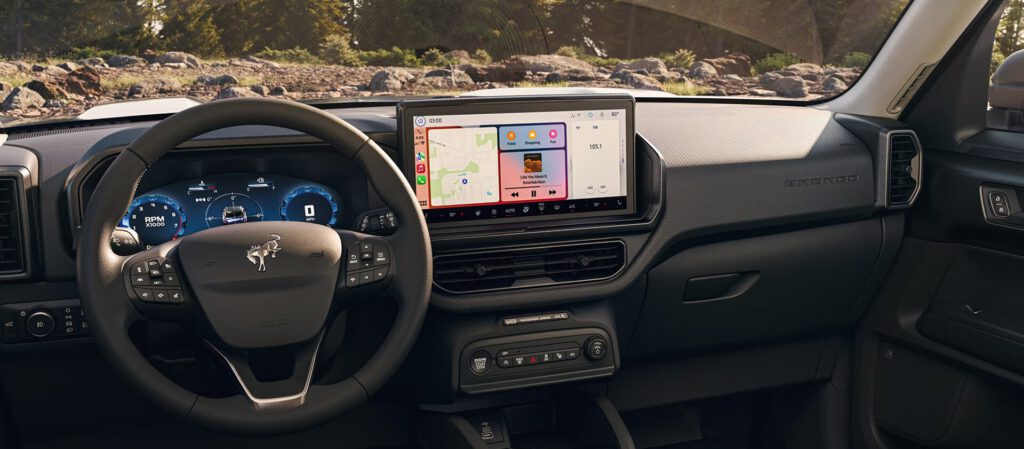
Dealer lots overflow with these vehicles, a telltale sign the market isn’t screaming for them. Under the hood, small turbo engines (1.5L or 2.0L EcoBoost) work overtime, raising legitimate questions about long-term reliability. Think hamster on a wheel, but the wheel’s connected to your bank account.
3. General Motors 6.2 V8
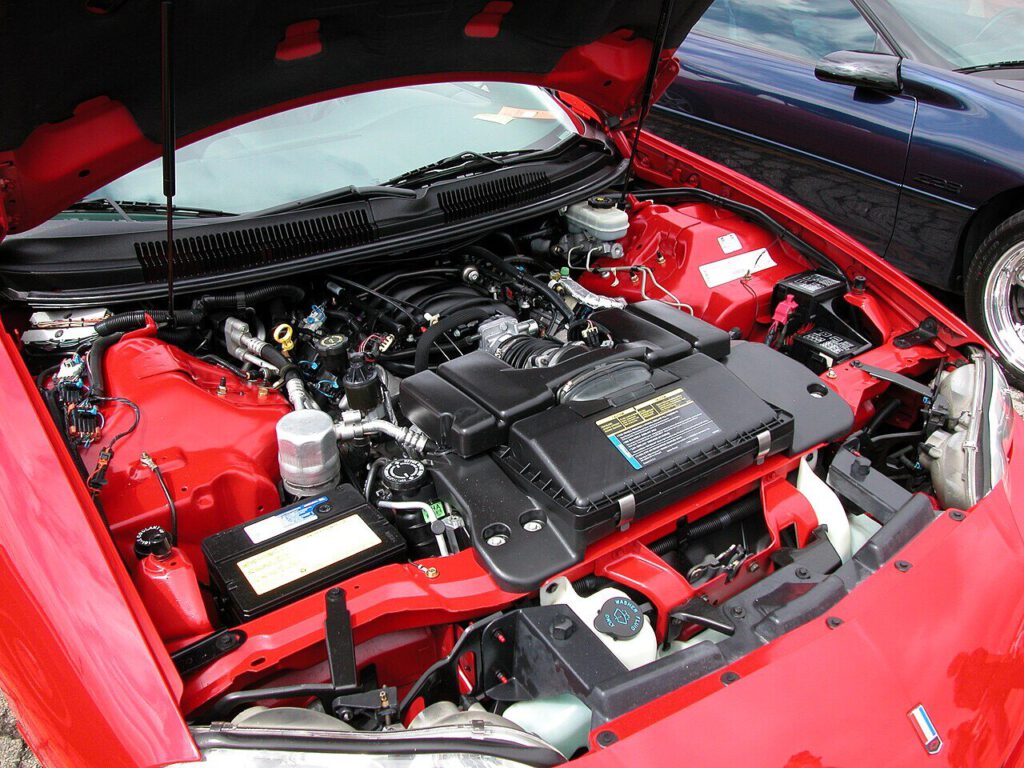
When your truck’s engine recall fix is basically automotive IT support suggesting you reboot the router.
GM truck owners got an unwelcome surprise: The 6.2L V8 L87 engine in Silverados, Tahoes, and Yukons developed problems serious enough to trigger a recall for 2024-2025 models. The culprit? Bearing wear and valvetrain issues that sound expensive to fix.
The solution wasn’t exactly reassuring—an oil change from 0W-20 to 0W-40 viscosity, plus an extended warranty. According to Consumer Reports, most owners just get the oil change, which feels like gambling with your truck’s future. When the “fix” is essentially changing fluids and crossing fingers, that’s not exactly confidence-inspiring engineering.
2. Nissan Leaf (Exterior)
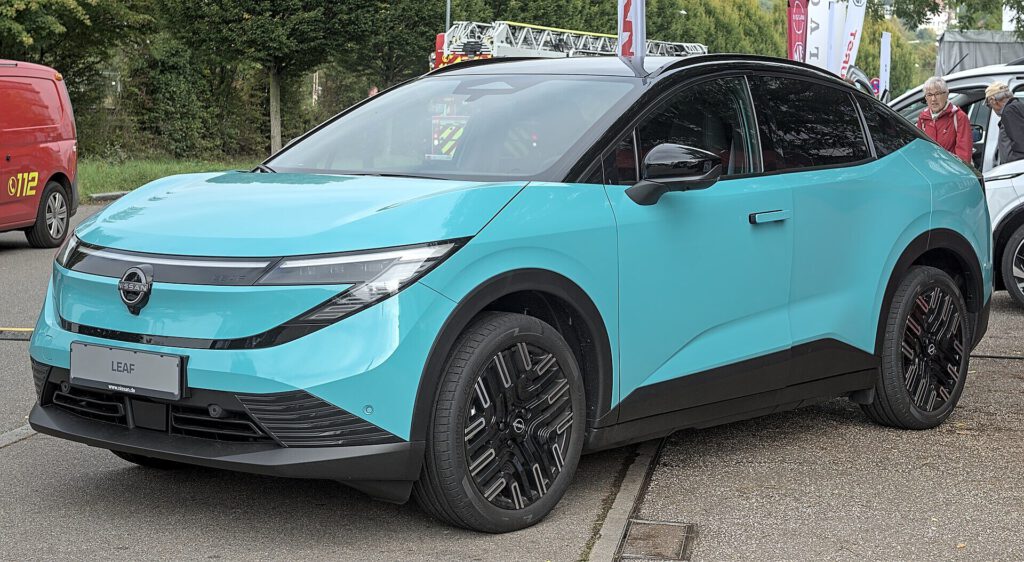
The EV pioneer that’s aging about as gracefully as your first smartphone.
The Nissan Leaf ranges from around $28,000 to $40,000 depending on trim level, with 40-kWh or 60-kWh battery options delivering 149-212 miles of EPA range. While those numbers look decent on paper, the Leaf still relies on CHAdeMO charging—a standard that’s becoming as relevant as flip phones in the smartphone era.
Nissan Leaf (Interior)
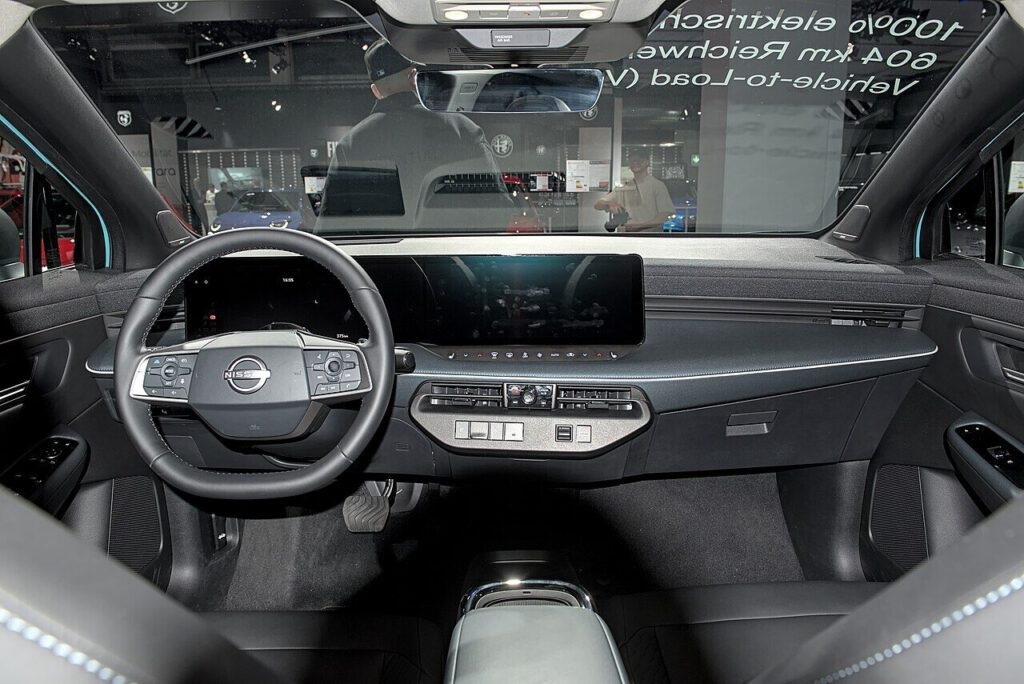
Previous generations suffered from battery degradation issues, and while newer models show improvement, you’re still gambling on whether this EV will outlast your average smartphone upgrade cycle. With aggressive EV discounts flooding the market, you might find better value elsewhere.
1. Dodge Hornet (Exterior)
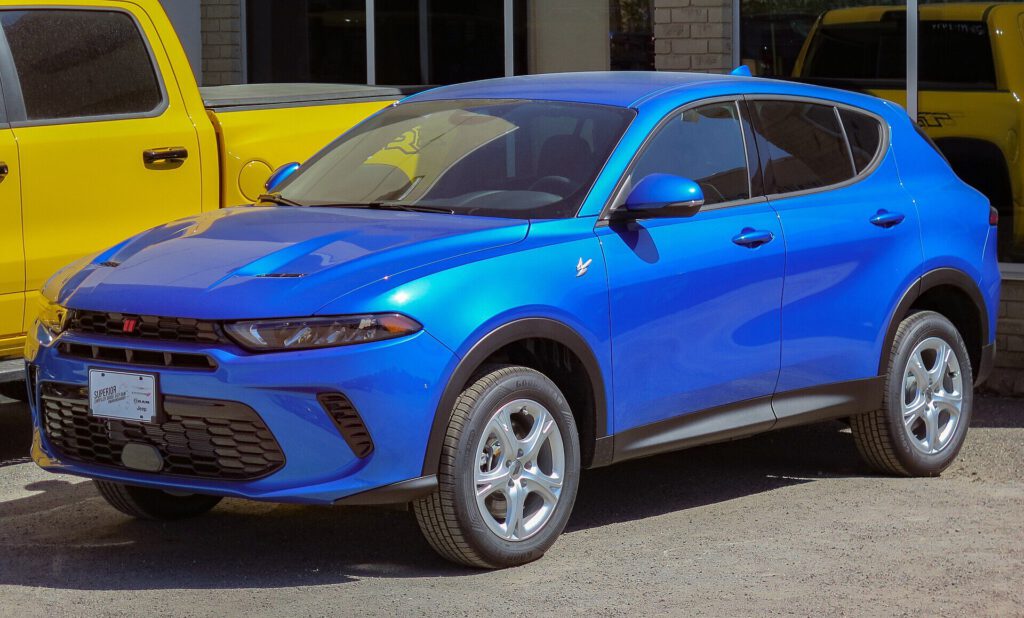
Paying premium prices for a rebadged Alfa Romeo is like buying designer cereal—same product, inflated expectations.
Initial prices above $50,000 for the Dodge Hornet raised eyebrows, especially since it’s essentially a rebadged Alfa Romeo Tonale. Dodge tried course-correcting by dropping prices into the $30,000 range with $10,000 discounts, but that just admits the original pricing was wishful thinking.
Dodge Hornet (Interior)
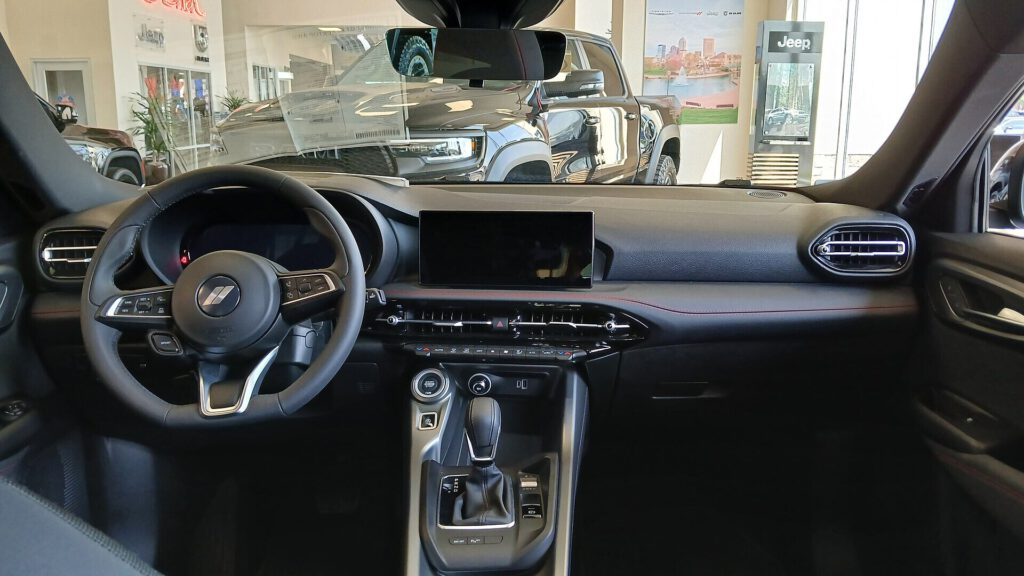
Dealerships now resemble Hornet overflow lots, with many units ending up in rental fleets where they’ll accumulate miles while you contemplate better choices. When a brand-new model needs massive incentives to move off lots, that’s usually a red flag worth heeding.