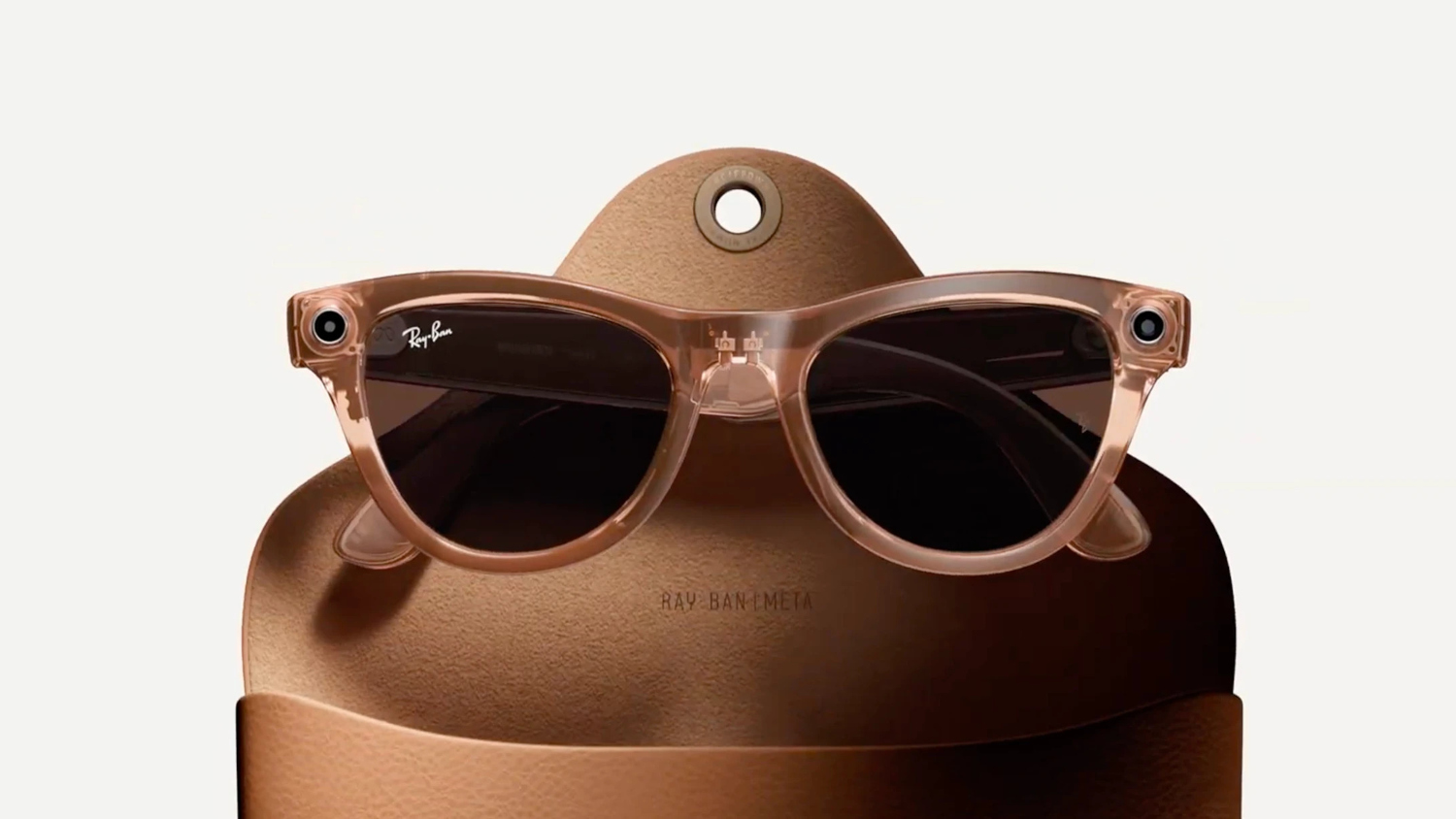
Agencies that run facial-recognition databases and operate surveillance state fusion centers across a dozen states are issuing urgent internal memos about a $300 pair of sunglasses. The Guardian reviewed roughly a dozen of those documents — spanning January 2025 through August 2026, from Maine to California — and the picture they paint is less “national security threat” and more “institutions realizing cameras cut both ways.”
From Jail Cells to Fusion Centers
A July 2025 TikTok video from a South Carolina detention facility set the whole thing in motion.
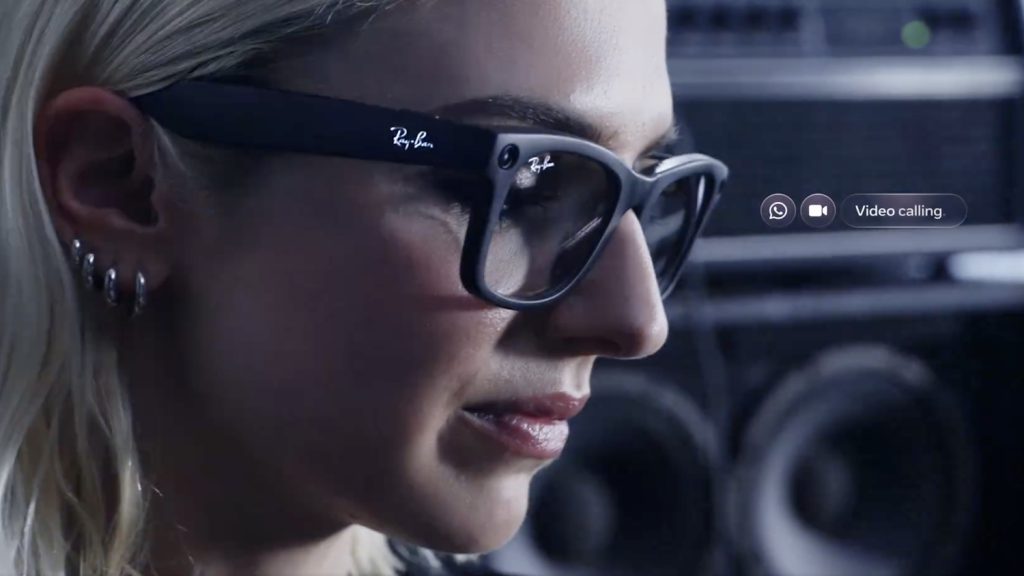
In July 2025, a detainee used Ray-Ban Meta glasses to film showers, holding cells, and an overcrowded cafeteria — other detainees apparently unaware they were on camera. The facility was already under federal investigation for unsafe conditions. That footage triggered the NYPD counterterrorism unit issued January 2025 memo, ordering officers to “conduct thorough inspections of all eyewear permitted within inmate cells.” The detection problem is straightforward: Meta glasses look nearly identical to standard Ray-Bans, distinguished only by a small blinking LED when recording.
Internal documents show the threat model extends well beyond jailbreak footage. NYPD warned the glasses can expose cell layouts, camera placements, and patrol routines. Fusion centers in Maine, San Diego, Tennessee, Virginia, and New York — plus the DHS joint counter-terrorism assessment team — all issued related guidance. In August 2026, ICE classified Meta glasses as body-worn cameras, banning them from all federal workspaces; acting director David Venturella cited the risk of “unintentionally capturing sensitive information.” New York State courts and courts in England and Wales followed with blanket bans on recording eyewear in judicial buildings.
Maine’s June 2026 memo goes further than operational security. It warns that smart glasses integrating AI facial recognition could link an officer’s face to personal data scraped from public sources — essentially doxing with a hardware upgrade. That concern has a documented foundation: investigative reporting found code for a system called “NameTag” — converting faces into biometric faceprints stored on-device — quietly shipped in Meta’s glasses software in early 2026.
“These agencies surveil the public incessantly, but the moment we can watch them back, it’s deemed a security threat. When only the government is allowed to hold the camera, that’s not security. It’s impunity.” — Ryan Shapiro, Property of the People
Meta Says Look Closer
The company’s defense rests on a blinking white light — and whether you trust that one LED solves a structural problem.
Meta spokesperson Dina El-Kassaby insists the glasses are “designed to be noticed.” The mandatory LED blinks during any recording, cannot be disabled by users, and tampering with it kills the camera entirely. Meta has pledged to:
- Remove ads promoting LED workarounds
- Ban associated accounts
- Pursue legal action against sellers of such modifications
Reasonable safeguards — though advocacy groups remain skeptical that hardware design alone resolves the underlying tension.
“There’s no such thing as Meta glasses that are only for the good guys.” — Evan Greer, Fight for the Future
One additional detail is worth flagging: a separate August 2025 NYPD memo coined the phrase “anti-tech violent extremist activity” to describe potential opposition to AI systems — language critics say risks criminalizing constitutionally protected protest.
The same glasses that documented conditions inside a federally investigated detention facility are the ones police want confiscated at the door. The camera hasn’t changed. The question — who gets to hold it, and who gets to decide — remains loudly unanswered.