When a single Highland Heights police dispatcher resigned, the department’s Flock Safety search volume did not dip. It collapsed.
The first full month after that departure recorded 130 Flock traffic searches, a decline of more than 95% compared with April, according to Yahoo News reporting. That figure reflects how thoroughly one person’s personal use had distorted a public surveillance system, according to the department’s own data.
What the Numbers Revealed
The scale of the misconduct only became clear once the searches stopped.
More than 20,000 searches were attributed to that one dispatcher over roughly a year, according to reporting by the News-Herald and cleveland.com. Five license plates were searched more than 1,000 times each between Oct. 24, 2024, and Nov. 22, 2025.
The second-highest search total recorded by any other Highland Heights employee was 930, according to cleveland.com. The contrast between that figure and 20,000-plus requires no editorial embellishment.
Police Chief Dennis Matejcic said he did not know the misuse was occurring until a Washington Post inquiry brought it to the department’s attention, as reported by the News-Herald. The department then investigated, determined the searches were unrelated to authorized police work, and the dispatcher resigned.
The Policy Gap That Made It Possible
The technical infrastructure for oversight existed; the institutional habit of using it did not.
Before this incident, Highland Heights had no dedicated Flock policy and conducted no routine reviews of search activity, according to News-Herald reporting. The logs existed, but routine reviews were not being conducted.
Flock says every search is recorded and tied to an individual user, giving supervisors the technical ability to review access histories, according to the company’s published trust documentation. Highland Heights’ experience shows that technical capability is only useful if a department actively examines the records.
The department has since adopted a policy prohibiting unauthorized searches and requiring monthly audits of employee activity, Matejcic told WKYC. Whether those audits prove effective is now the central accountability question.
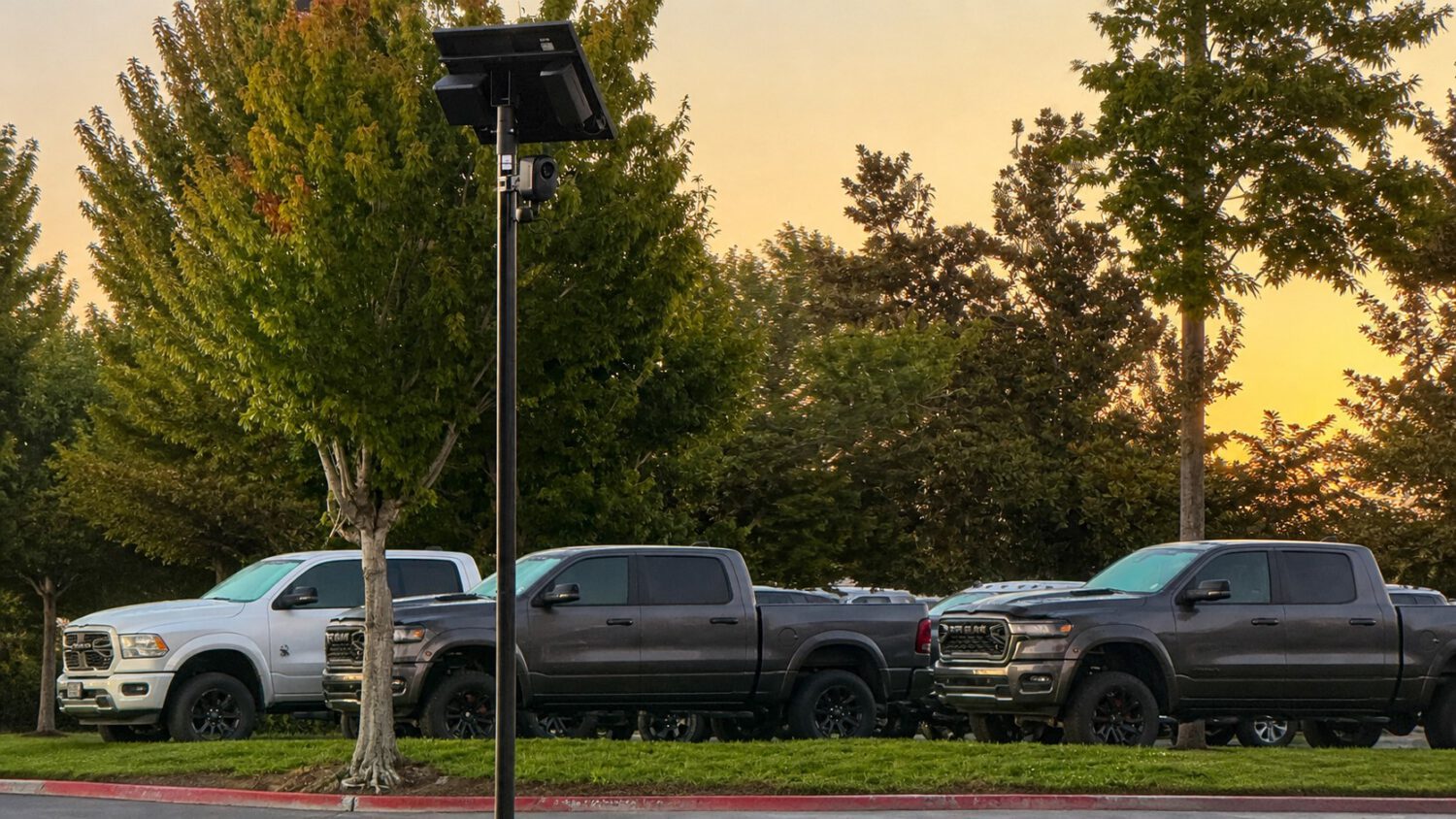
Flock stores vehicle and plate information in AWS Government Cloud and defaults to a rolling seven-day hard deletion. Local agency policy, applicable law, and contractual settings can extend that retention window, per the company’s published license plate reader policy.
Erman Ayday, a computer scientist at Case Western Reserve University, told Yahoo News that advances in vehicle recognition can expose details like make, model, and bumper stickers. Repeated location records can also reveal sensitive patterns about where a vehicle travels, he said.
The system does not itself directly identify drivers or passengers, focusing instead on vehicle characteristics. That distinction offers limited reassurance when a plate has been queried more than 1,000 times.
What Comes Next
The reporting does not indicate that drivers whose plates were repeatedly searched were ever notified.
The available reporting identifies no requirement that affected plate owners be notified of unauthorized searches. Ohio lawmakers have debated restricting Flock-style systems, but the reporting indicates those proposals had not been enacted into statewide law at publication, according to Yahoo News.
Highland Heights’ monthly audit requirement could serve as a practical model for smaller departments operating similar technology. Its value depends entirely on whether those with authority to act actually read the reports and follow through.
A log that no one reviews is an organized record of a problem that no one caught in time.