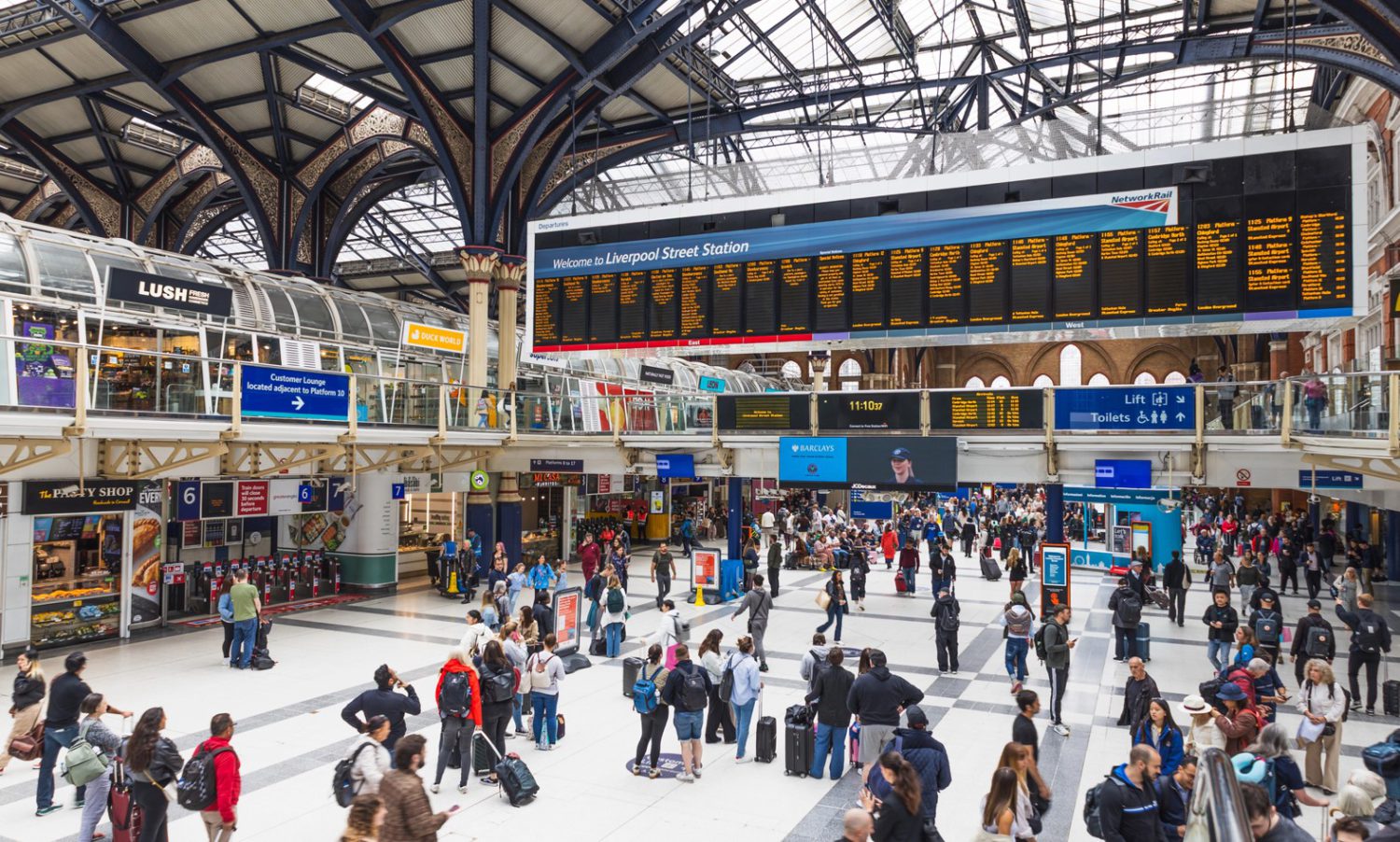
Spend £320,786, scan more than 500,000 faces, and deploy officers across 18 sessions at some of London’s busiest railway stations. The result: one alert, confirmed as a false positive, and no arrests tied directly to the system. British Transport Police completed that accounting in July 2026 and chose to expand the program to the London Underground.
The Underground rollout started at Victoria station and runs through November 2026. Whether it produces different results will depend on data BTP has not yet fully published.
What the Numbers Actually Show
The trial’s headline figures are stark, but interpreting them requires understanding what live facial recognition can and cannot do.
The key figures from the railway-station phase, as reported by The Guardian and the BBC:
- 18 deployments at major London railway stations, February through July 2026
- More than 500,000 faces scanned across the trial period
- One alert generated; confirmed as a false positive
- Zero arrests directly attributable to an LFR alert
- Cost: £320,786 in equipment hire and staffing, with nearly 100 hours of officer time
BTP said officers located wanted individuals and made arrests during deployments, for offenses including assault, theft, possession of an offensive weapon, and breach of a criminal behavior order. The force stated clearly that those arrests resulted from ordinary police activity rather than LFR alerts, and excluded them from the trial’s direct-outcome data.
Fraser Sampson, former UK Biometrics and Surveillance Camera Commissioner, offered a useful frame for what “success” means in this context. “Success in a shop means no such people coming in,” he told The Guardian. “Success for the police trying to catch people means people being caught.” LFR searches only against a watchlist of known individuals, so a low alert count could indicate an ineffective system or simply that few watchlisted people passed through monitored locations during deployment windows. The available data cannot tell you which explanation is correct.
The Program Expands Anyway
Despite negligible direct results from the railway phase, BTP and TfL extended the trial to the Underground with a sharper stated focus.
The four-month Underground extension cites specific policing aims: identifying people subject to court orders and targeting violence against women and girls, including sexual harassment and sexual offenses affecting travel behavior, according to TfL. After the extension began, The Guardian reported three alerts involving individuals confirmed to be complying with sexual-harm-prevention or other court conditions. Those results are reported separately from the railway-station figures and do not establish that the system identified wanted suspects or led to arrests.
More than 500,000 people passing through railway stations had their faces processed biometrically during a program that produced no confirmed match in its initial phase. UK civil-rights groups, cited by The Guardian, raised concerns about biometric surveillance in public spaces and the risk of false identification. Signed areas at Underground stations improve transparency, but signage does not settle open questions about data retention, watchlist criteria, or independent oversight of the system.
What to Watch For
The Underground phase will only be meaningful if BTP publishes consistent, complete outcome data.
Ask for the full picture when BTP releases Underground results. That means faces scanned, watchlist size, total alerts, confirmed false positives, confirmed matches, arrests attributable to LFR, officer time, cost, and a demographic accuracy breakdown. Without that consistent data set, a headline alert figure is impossible to evaluate fairly. You should expect the next phase to supply those answers.