You walk into a store. Grab a cart. Maybe you’re buying socks, maybe shampoo. You’re not thinking about surveillance. That’s exactly the point.
Advocacy group Fight for the Future has tracked which major U.S. retailers use, might use, or have ruled out facial recognition through its public Ban Facial Recognition scorecard. The results aren’t clean. Positions shift. Retailers dispute their own categorizations. And the scorecard itself admits it “may be out of date” — a rare flash of institutional honesty in a space that desperately needs more of it.
Stores Currently On the List
Although retailer statuses shift and some designations have already been disputed, Macy’s, Lowe’s, Albertsons, and Ace Hardware appear most consistently in the “using” category across Fight for the Future’s scorecard and independent reporting from ZDNet and RetailWire.
Although Lowe’s and Apple later denied using the technology per RetailWire, Macy’s doubled down when pressed — refusing to commit to ending its use, according to Fight for the Future’s August 2021 reporting. That contrast reveals how fluid, and sometimes simply wrong, these designations can be. Walmart appears in both the “using” and “won’t use” categories across different sources. That conflict stays unresolved here, because picking a side without current confirmation would be its own kind of misinformation.
Stores That Have Gone on Record Refusing It
While some retailers scan, the following have publicly committed against facial recognition, per Fight for the Future and ZDNet reporting.
- Target, Costco, CVS, Dollar Tree, Home Depot, Kroger, Verizon
- Gap Inc., REI Co-op, Petco, PetSmart, Sonos, Burlington
“This scorecard may be out of date.” — Fight for the Future, Ban Facial Recognition scorecard
Worth sitting with that quote. It’s not a disclaimer buried in fine print — it’s the advocacy group itself flagging that retailer positions evolve, that data goes stale, and that you should treat any list, including this one, as a snapshot rather than a verdict.
The “Might Use” Gray Zone
The most consequential category isn’t who’s confirmed — it’s who refuses to rule it out.
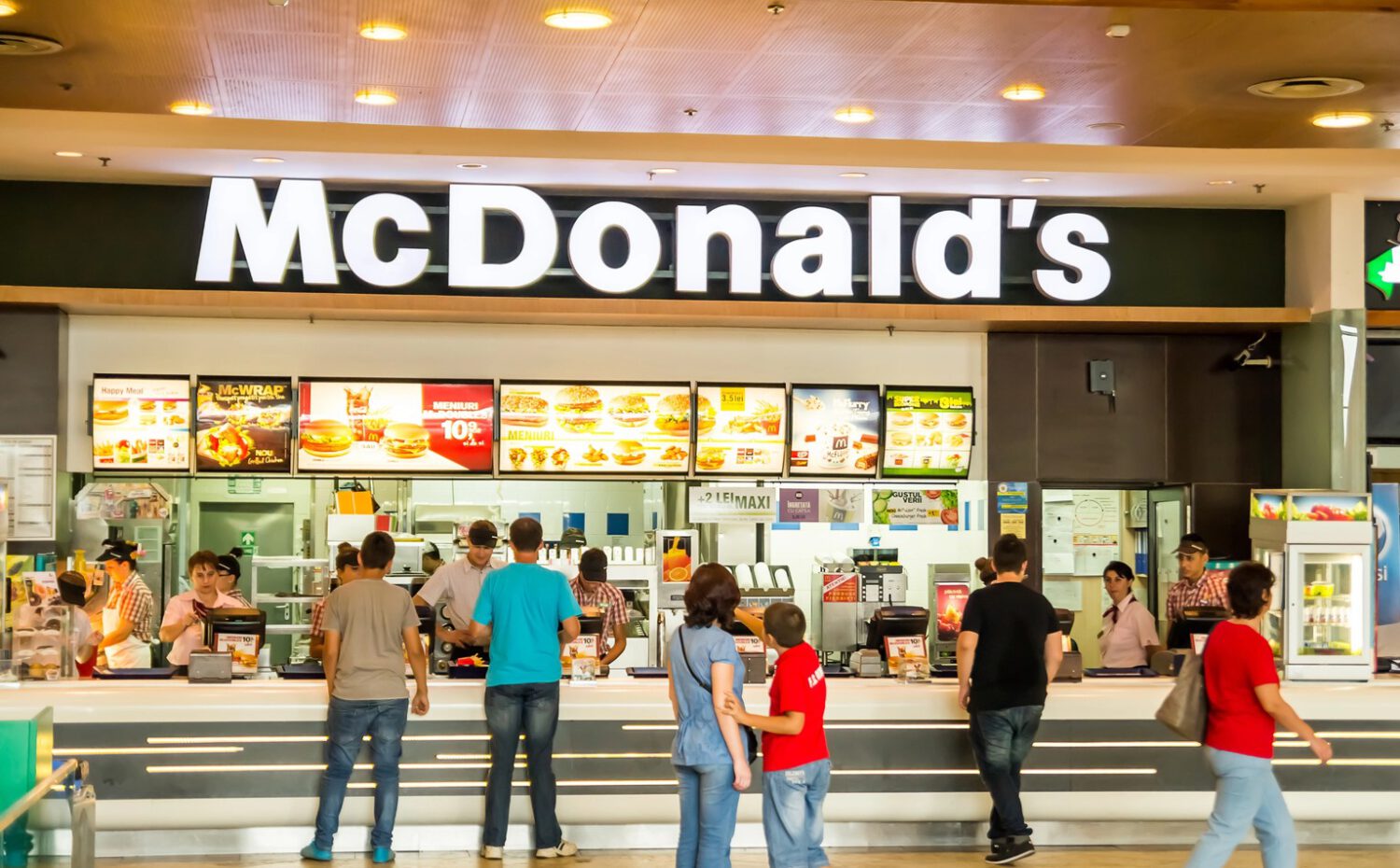
If you shop at Walgreens, McDonald’s, 7-Eleven, Best Buy, Kohl’s, Starbucks, Publix, Aldi, Dollar General, Shoprite, or Ross, you’re in ambiguous territory. None had clearly ruled out the technology, per ZDNet’s summary of the scorecard. Nordstrom, Dillard’s, and Staples also provided no clear answer at time of reporting.
Silence isn’t a policy. It’s a reservation of rights.
The Rite Aid case shows exactly where that leads. In December 2023, the FTC banned Rite Aid from using AI facial recognition after finding the company deployed it without adequate safeguards. That’s federal enforcement — the kind that lands when “no comment” hardens into a business strategy. Fight for the Future noted the action as a signal to other retailers still secretly tracking users still sitting on the fence.
What You Can Actually Do
Checking the scorecard yourself is step one — understanding what a retailer’s silence actually means is step two.
Visit banfacialrecognition.com, knowing the data has an expiration date. Treat a retailer’s non-answer as its own kind of answer. And the next time you grab a cart without a second thought, consider this: you’re not just a shopper — you’re a biometric record that may outlast your receipt.