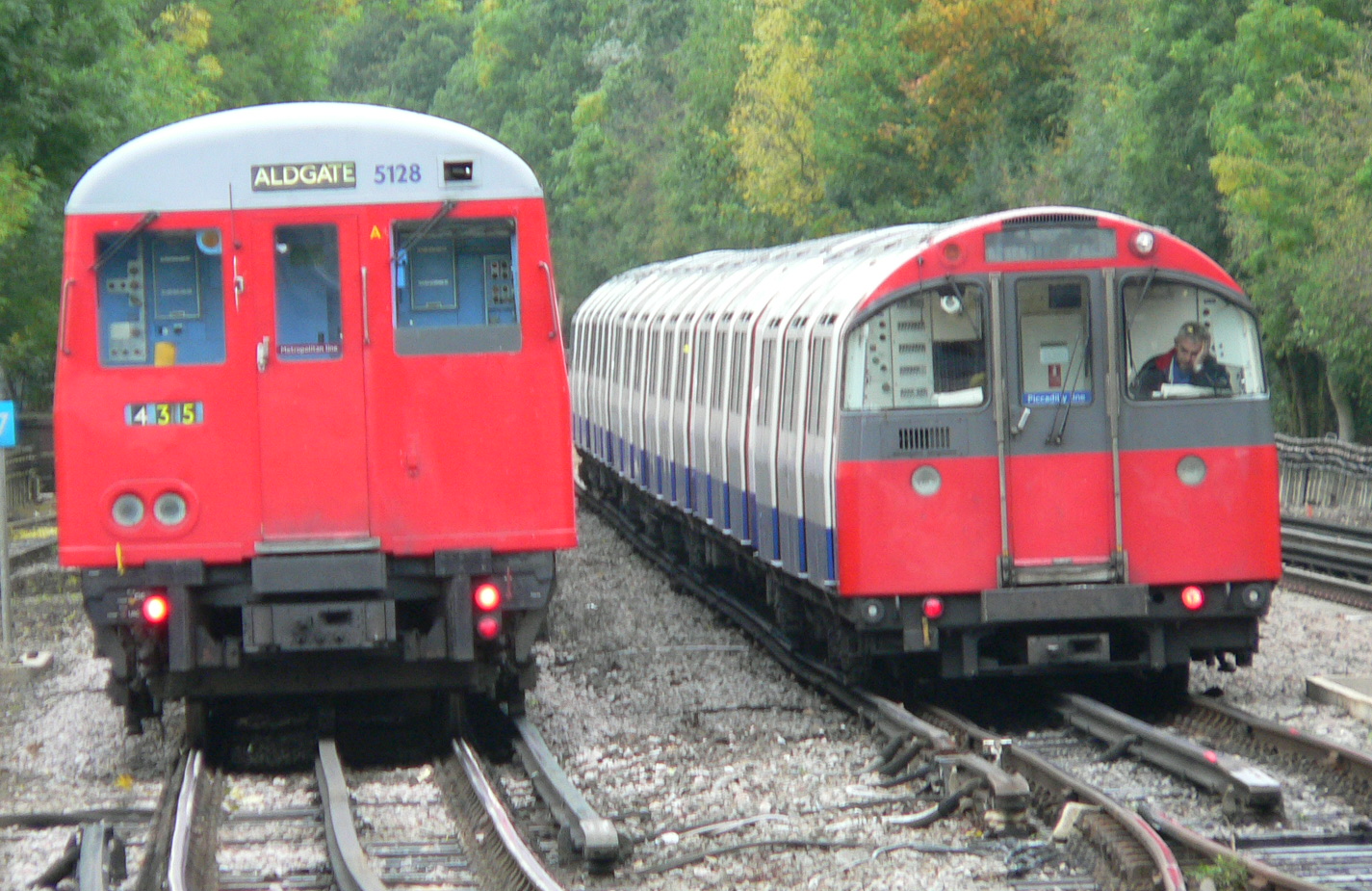
Commuters stepping onto the platform at Victoria Underground station are now participants in a live biometric experiment, whether they know it or not. British Transport Police has extended its facial recognition trial from mainline rail into the Tube network, rotating NEC NeoFace M40 cameras between Underground and Network Rail stations until November. The system compares live feeds against a police watchlist targeting high-harm offences — sexual offences, robbery, knife crime — with an officer reviewing any alert before action is taken. Non-matching images are deleted immediately. Deployments happen in signed areas, so commuters can, in theory, choose not to enter.
In theory.
Here’s what the record shows so far:
- The trial began at London Bridge in February; Victoria Underground is the first Tube station in scope
- Across 18 deployments between February and July, BTP scanned more than 530,000 faces
- The result: zero true matches, zero arrests, and one false identification
- BTP describes the approach as “intelligence-led” — targeted locations, specific watchlists, not a permanent all-stations dragnet
- The trial rotates between Underground and Network Rail stations and runs until November
Big Brother Watch called the Tube rollout “a disturbing and dystopian expansion,” arguing it captures millions of innocent faces in the process.
Your Face Is the Data, Whether You Like It or Not
BTP calls it proportionate; the ICO warns it is inherently indiscriminate.
The tension here is real. BTP says it is acting “lawfully, proportionately, and transparently.” The Information Commissioner’s Office has previously warned that live facial recognition captures biometric data “automatically and indiscriminately” from anyone in camera range. Those two positions cannot both be entirely true.
Critics also flag that ethnic minority groups face disproportionate misidentification risk — a concern the zero-true-matches record does not resolve, because absence of arrests is not the same as absence of harm. The London Underground moves 3.7 million people on a weekday. Being monitored by an algorithm at that scale is essentially the offline version of targeted advertising — except when it gets you wrong, the consequences are not a strange shoe recommendation secretly tracking users around the internet.
If BTP judges this trial a success, every transit network in Britain is watching. That’s the template being written right now, one scanned face at a time.