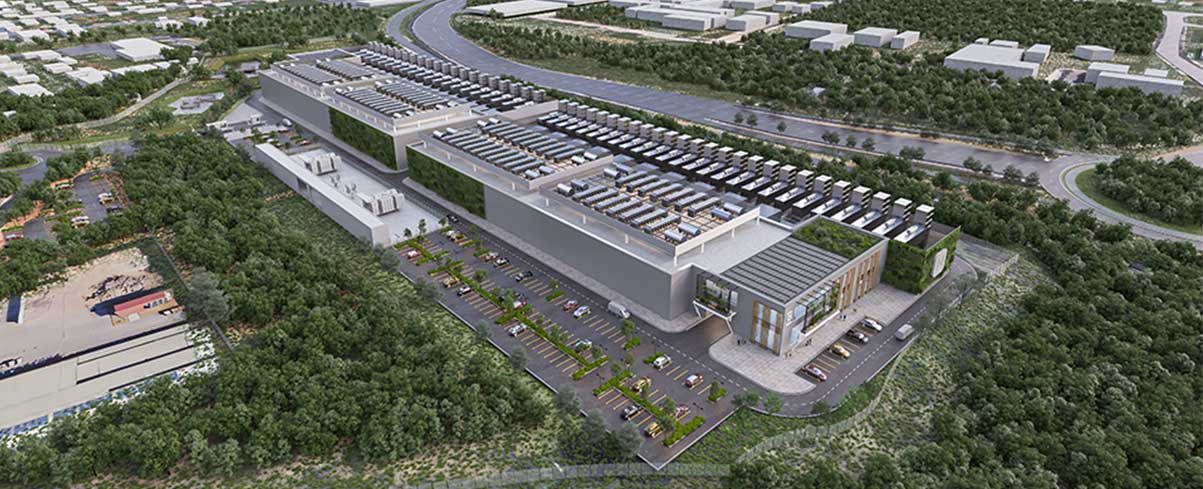
Lombardy imposes up to 200% tax penalties on rural data centers while competitors offer billion-dollar incentives. Lombardy just pulled the ultimate plot twist in global data center policy. While 36 U.S. states throw tax incentives at hyperscalers like candy at a parade, Italy’s richest region decided to do the exact opposite—slap massive tax penalties on AI infrastructure that threatens farmland.
The new law hits data centers with a 100% tax in rural areas and a crushing 200% tax in agricultural zones. Meanwhile, brownfield industrial sites get zero extra charges. Translation: Want to build your AI empire? Use the old factory district, not the vineyard next door.
AI Demand Meets Agricultural Reality
Region faces 30 gigawatts of data center applications with over half targeting Lombardy alone.
Massimo Sertori, Lombardy’s energy councilor, dropped some sobering math: Italy has 30 gigawatts worth of data center applications nationwide, with more than half planned for Lombardy. To put that in perspective, the region thinks only about 2 gigawatts represent “real and concrete projects”—the rest is pure speculation driven by AI’s insatiable appetite for compute power.
Milan already hosts 33 active data centers with 10 more under construction and 23 applications pending approval. That concentration explains why Lombardy feels like the designated punching bag for every hyperscalers expansion dreams.
“We cannot block the development of companies and employment, the race for artificial intelligence is already a fact,” Sertori said. “We can, however, try to keep the phenomenon under control by avoiding excesses and the exaggerated exploitation of the territory.”
Opposition Questions Fiscal Approach
Critics argue tax penalties won’t stop determined developers from targeting sensitive land.
Not everyone’s convinced this fiscal stick will work. Democrat Matteo Piloni argues the law “lacks real and decisive soil protection,” noting that neither national nor regional authorities have set truly stringent constraints. “We will have to wait for a national law,” he said.
The timing is particularly fascinating because Italy just streamlined data center permitting through new Single Authorization rules, shortening approval timelines to 10-13 months. So the country simultaneously wants faster approvals and location-specific brakes—a regulatory tango that reflects broader global tensions about AI infrastructure’s physical footprint.
Your smartphone’s AI features might feel weightless and cloud-based, but someone’s got to build the massive server farms that power them. Lombardy’s betting that making developers pay extra for prime real estate will force them toward recycled industrial zones instead of gobbling up fertile farmland. Whether other regions follow this anti-incentive model could determine if AI’s infrastructure expansion gets more thoughtful—or just more expensive.