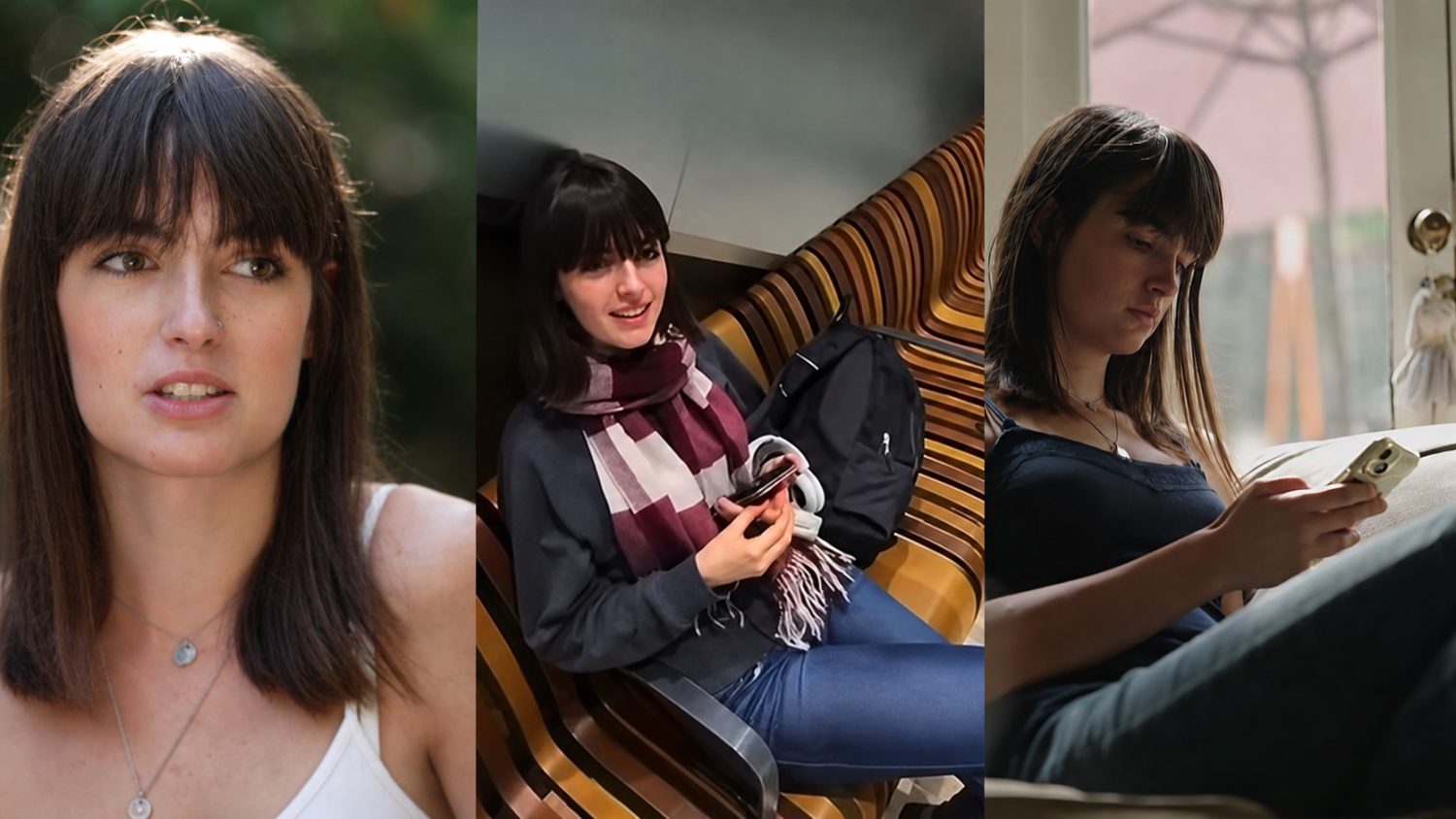
Beth Knight was 17 when a man sat next to her at London Waterloo station, told her she was attractive, and pressed her for her Instagram handle. She gave it to him eventually, she later explained, because she “didn’t want to become a statistic,” referring to male violence against women.
What she did not know was that his glasses were recording the entire encounter.
On Christmas Day, Knight discovered a TikTok account with roughly 100,000 followers posting videos titled “Picking up girls London” and “picking up girls Waterloo.” The man had uploaded their conversation, edited as an advertisement for an online dating course.
He had deliberately removed the segment where she mentioned being in college. That detail would have indicated she was between 16 and 18, suggesting he knew she was likely underage and chose to conceal it.
Knight described watching the video as “pure rage,” telling The Telegraph she felt powerless seeing her visible discomfort repackaged as a successful pick-up.
She messaged the account asking for the video to be removed. He blocked her. The video was eventually taken down, though it remains unclear whether TikTok acted or the account holder chose to remove it.
Knight’s mother reported the incident to British Transport Police. Knight did not pursue a formal case at the time due to exam pressure, but asked that the report be kept on file.
A Documented Pattern, Not an Isolated Incident
This is not one man’s behaviour: researchers and other victims describe a widespread and growing problem.
After Knight posted her own TikTok explaining what happened, other women contacted her to say they had experienced the same thing.
Milica Stilinovic, a researcher at the University of Sydney, analysed approximately 350 Instagram videos of men secretly recording women in everyday settings. She concluded that Meta glasses “enhance a pick-up artist’s ability and the manospheric ability to harass women,” noting how male dating coaches monetise increasingly volatile interactions for engagement.
Meta launched the Ray-Ban smart glasses in 2021 and claims to have sold approximately seven million pairs by 2025, describing them as among its fastest-growing consumer electronics.
The frames include a small camera and a white LED indicator designed to illuminate when recording is active. Unlike the red recording lights common on broadcast equipment, the white light is easy to overlook. The LED cannot be disabled through official firmware, but online guides detail how to physically cover or obscure it with cheap modifications.
When users activate the glasses’ AI assistant by voice command, footage is not simply stored on the device. It is sent to Meta’s servers, where it may be used for AI training and reviewed by human workers. Content reviewers based in Kenya told Swedish media they had been required to watch clips captured in private settings, including toilets and during sexual activity. These findings echo broader concerns about secretly tracking users through consumer technology without meaningful transparency.
Venues and Campaigners Push Back
Businesses, courts, and campaign groups across the UK are moving to restrict the glasses as legal frameworks struggle to keep pace.
Wetherspoons banned Meta smart glasses across all of its 800-plus pubs in August 2026, stating that the glasses appeared to breach its existing policy against filming customers or staff without consent, and “common sense.” ATG Theatres, which operates venues including Bristol Hippodrome and Edinburgh Playhouse, requires wearers to remove the glasses during performances.
Soho House, Jeremy King restaurants, some courtrooms in England and Wales, and UK Comic-Con have all introduced restrictions.
The campaign group Stop Smart Glasses is petitioning MPs, retailers, and venues, arguing the glasses pose a particular threat to women’s safety on public transport and in shared spaces.
Sociologist Yves Jeanrenaud developed a partial technological counter-measure. His iOS surveillance app, Nearby Glasses, scans for Bluetooth signals associated with smart glasses and alerts users when a device is detected within roughly 9 to 15 metres. He built it after reports of filming inside massage parlours and during US immigration raids.
Filming people in public remains broadly legal in the UK without their consent. That gap between what the law permits and what researchers and victims describe as harm has not closed.
Knight now says she assumes anyone near her could be filming her at any time. She describes her own experience as potentially “the best of a bad situation,” citing the possibility of footage being captured in far more serious contexts, including filming children or recording sexual encounters with strangers.