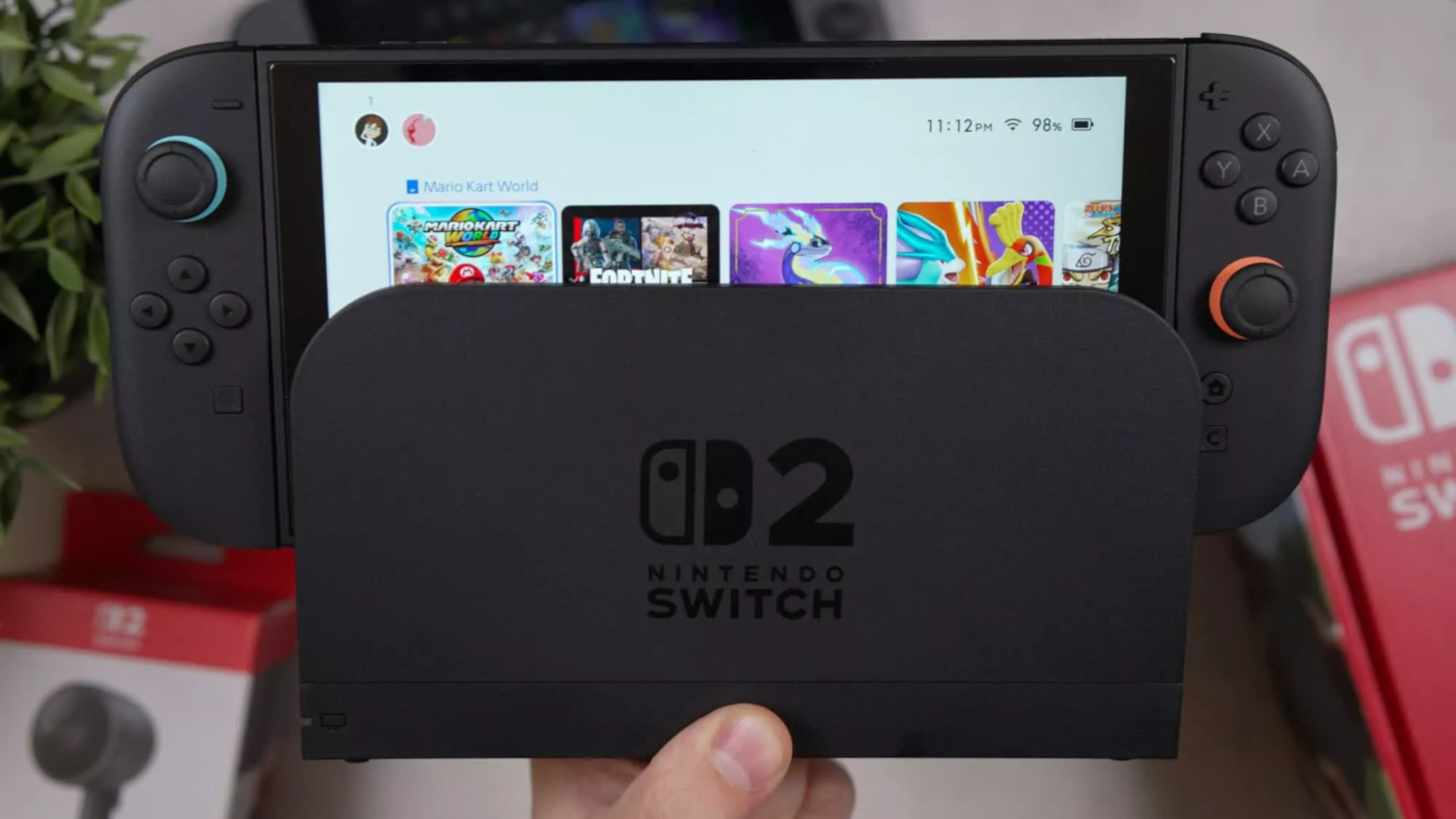
Nintendo moved 2.67 million Switch 2 units from July through September, down from 4.54 million in the same period a year ago.
That 41% year-over-year drop also represents a slide from the 3.82 million units sold in the preceding quarter. Both comparisons point to a consistent downward trend, not a one-quarter anomaly.
Price Increases Arrived Just as Sales Were Softening
Nintendo raised the U.S. Switch 2 price by $50 to $499.99, effective September 1, with similar increases in Japan, Canada, and Europe.
The international adjustments took effect late in the reporting period. That timing means pricing alone cannot be confirmed as the sole driver of the quarterly decline, and the full commercial impact of those increases has yet to appear in the reported figures.
The Six-Month View Tells the Same Story
Switch 2 sales reached 6.49 million units through September, compared with 10.36 million during the same period a year earlier, a 37.4% decline.
Both the quarterly and six-month comparisons show lower unit sales year over year. The gap versus the prior year is wide across both timeframes, which argues against reading the quarterly figure as an isolated dip.
The Annual Math Is Demanding
Nintendo still forecasts 16.5 million Switch 2 units sold by March 31, 2027, but that target now requires a substantially stronger second half.
With 6.49 million units sold through September, roughly 10 million more need to move in the remaining months. That is about 54% above first-half sales.
At $499.99, the Case for Upgrading Has to Be Airtight
A higher price point means the Switch 2 competes not just against rival hardware, but against the original Switch’s existing library.
Consumers who already own a Switch and its catalog face a higher bar to justify spending $499.99 on new hardware. Without a compelling software incentive, the case for waiting grows stronger.
Component Costs Are Squeezing the Equation
Nintendo cited rising memory costs and tariff-related measures, estimating approximately ¥100 billion in financial impact.
The company attributed broader memory inflation partly to strong demand from AI infrastructure investment, according to CNBC. Those cost pressures narrow Nintendo’s flexibility to use aggressive discounting as a demand lever.
Software Now Carries the Load Hardware Once Did
First-party releases have become a central tool for creating purchase incentives and closing the gap against Nintendo’s own forecast.
Nintendo is counting on its software pipeline to drive hardware sales through the holiday period and into early 2027. That pipeline includes a near-term Legend of Zelda: Ocarina of Time remake, though verified reporting does not confirm that any single title is sufficient on its own to close the sales shortfall.
No Further Price Increases, and Supply Is Stable
Nintendo has ruled out additional price hikes and says it holds sufficient memory supply to meet its 16.5 million-unit forecast, according to IGN.
That removes one source of uncertainty heading into the critical second half. It does not resolve the more fundamental question of whether consumer demand will respond.
The Second Half Has to Outperform the First by a Wide Margin
Whether Nintendo’s annual target holds will depend on how well software releases, holiday demand, and bundle pricing perform in the months ahead.
The remaining 10 million units represent a significantly heavier lift than the first half delivered. The first six months left no margin for a slow finish.