Shopping for video gear in 2026 means wading through dozens of models, each promising to be the one tool that transforms your creative vision into polished content. Anyone who has tried to record a spontaneous moment only to get blurry, shaky footage knows the immediate regret of choosing poorly. This equipment determines whether your audience gets a cinematic experience or a disappointing blur. This guide cuts through the noise, showcasing cameras that actually deliver on their promises. The right gear transforms your vision from draft into polished final cut.
This content may contain affiliate links. If you wish to support us and use these links to buy something, we may earn a commission.
20. Canon EOS R6 Mark II
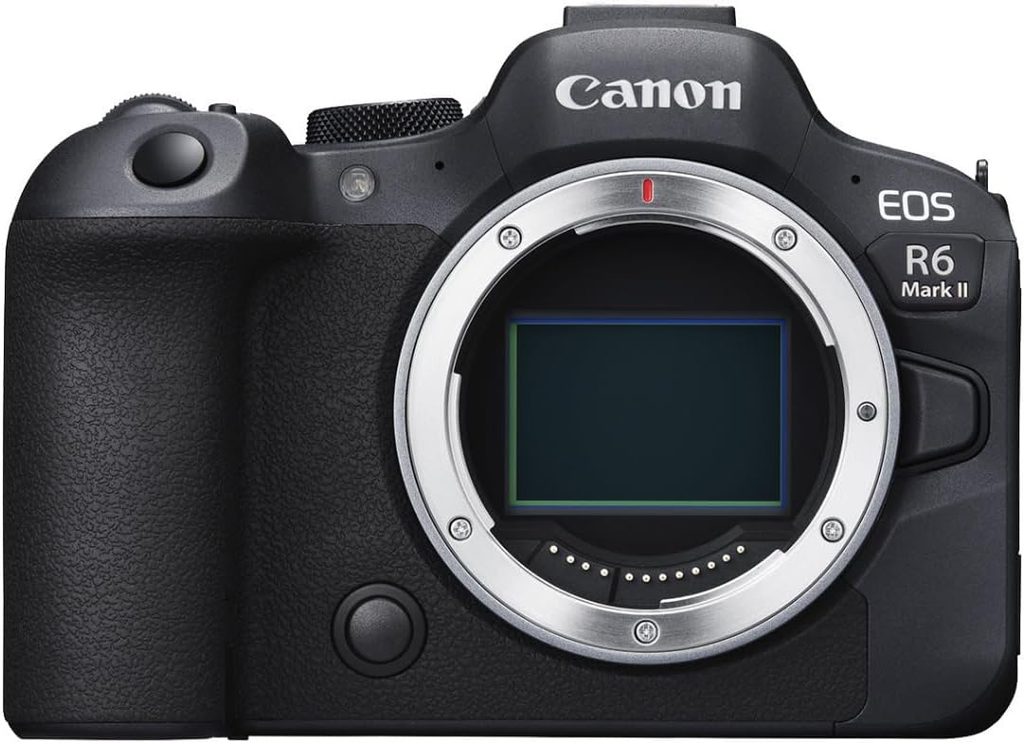
A full-frame hybrid built for serious videographers who need professional controls and reliability.
A 24.2MP full-frame sensor anchors this camera, delivering rich 4K 60p footage oversampled from 6K capture. The 10-bit internal recording provides ample dynamic range for color grading. Advanced subject-detection autofocus locks onto targets with surgical precision, preventing those frustrating moments when the perfect shot blurs at the critical instant.
In-body image stabilization steadies handheld shots like a built-in gimbal. Despite IBIS, wide-angle shots can occasionally show slight wobble during aggressive camera movement. This professional body includes dual card slots for critical shoots and superior physical controls, making it Canon’s strategic play for hybrid shooters who demand reliability.
19. Sony α7 IV
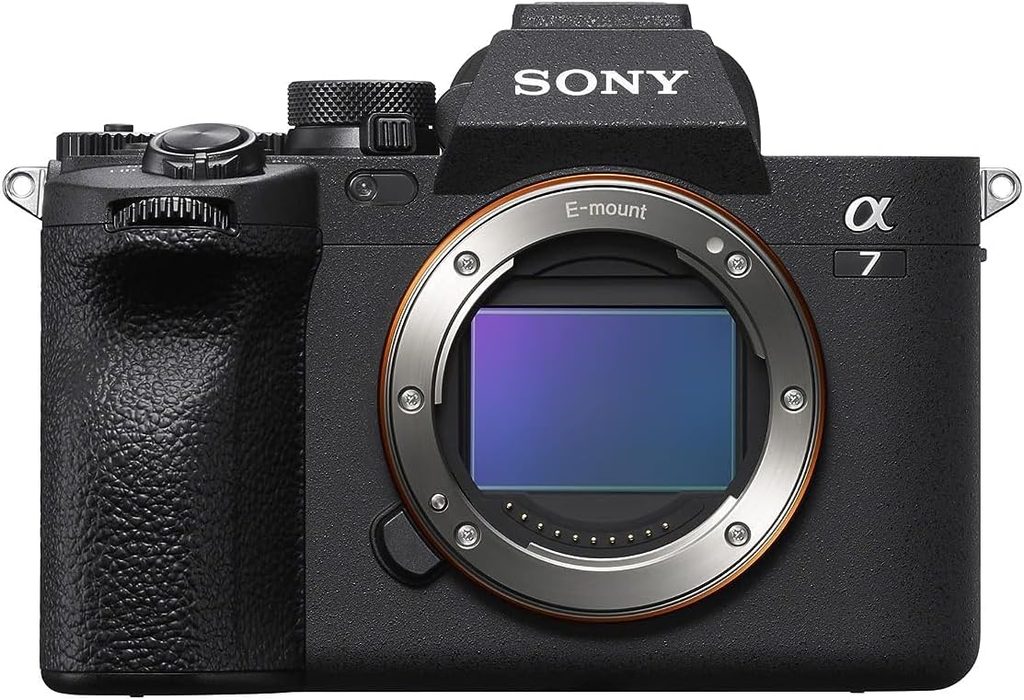
This full-frame hybrid sidesteps the usual stills-versus-video compromise, excelling at both.
Many cameras force an unpleasant choice between high-resolution stills and robust video capability. The Sony α7 IV avoids that dilemma entirely, packing a 33MP sensor that performs like a seasoned professional in both fields. For shooters juggling multiple project types, the α7 IV offers 4K 30p oversampled from 7K, delivering sharp, detailed footage that holds up on any display.
Video capabilities run deep: 10-bit 4:2:2 recording with S-Log 3 provides substantial latitude for color grading, helping achieve cinematic results without a separate cinema rig. Strong five-axis in-body image stabilization keeps shots steady, making handheld work less of a gamble. While 4K 60p requires a 1.5x crop, the trade-off for frame rate remains reasonable. Advanced autofocus locks onto subjects with intensity, though extended recording sessions can generate heat; switching to APS-C crop mode helps manage thermal performance.
18. Panasonic Lumix S5II
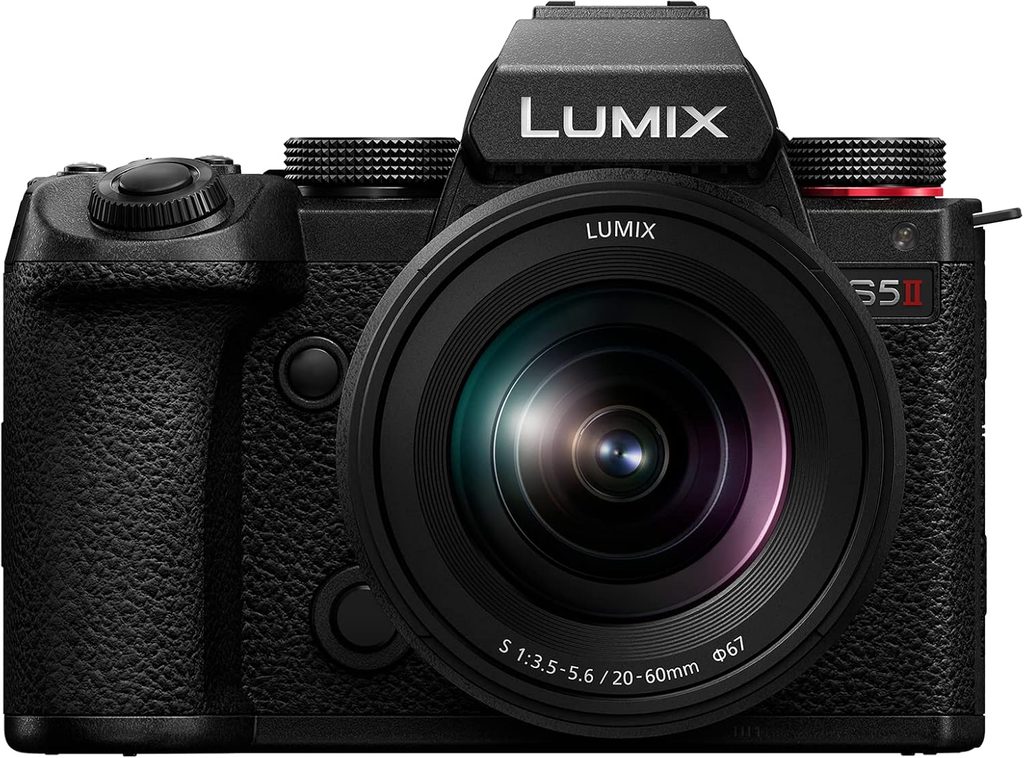
Five-axis stabilization so effective it rivals gimbal performance, plus professional video specs.
The Panasonic Lumix S5II delivers five-axis in-body image stabilization that ensures handheld footage remains remarkably steady even during active shooting. This camera captures crisp 6K open-gate video, oversampling into stunning 4K with incredible detail in every frame. Professional colorists appreciate 10-bit 4:2:2 V-Log recording, while creatives pushing boundaries benefit from Full HD at 180 frames per second for ultra-smooth slow motion.
Active cooling prevents long shoots from being cut short by overheating, and phase-hybrid autofocus keeps subjects sharp. This makes the S5II a reliable contender for serious video work, performing as promised without unnecessary complications.
17. Canon EOS R6 Mark III
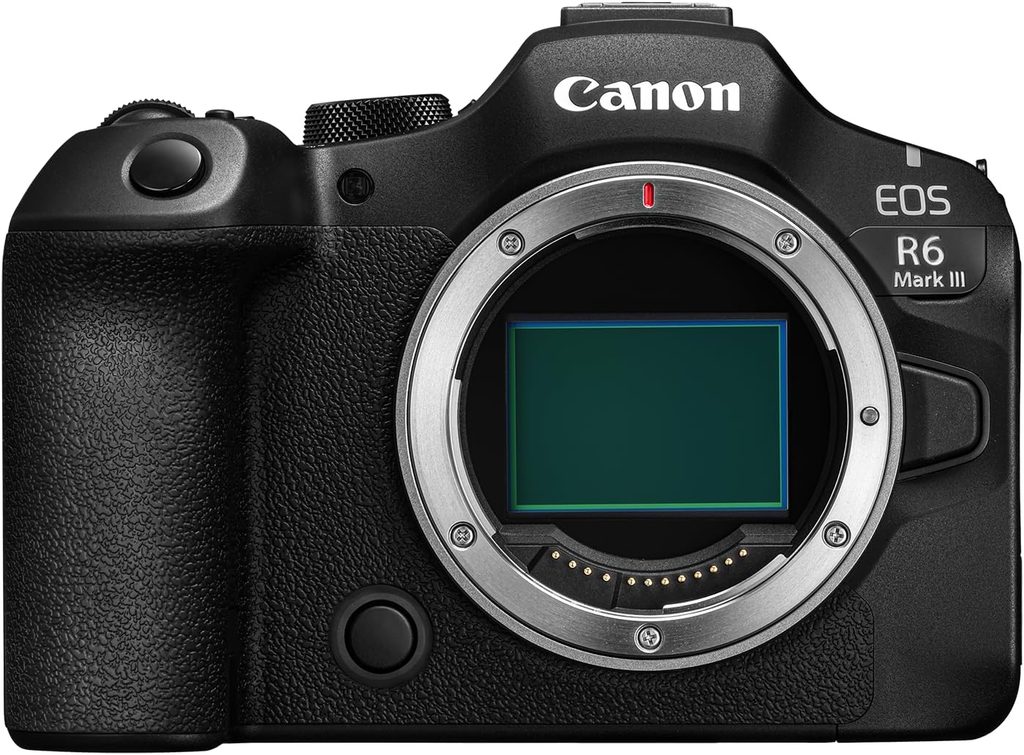
Uncropped 4K 60p and 10-bit Canon Log 2 bring cinema-camera capabilities to a hybrid body.
Canon’s EOS R6 Mark III delivers uncropped 4K 60p video oversampled from 7K capture, providing detail and flexibility often reserved for specialized cinema gear. This camera supports 10-bit Canon Log 2 recording, offering rich dynamic range that pulls more detail from shadows and highlights than many competitors.
Robust in-body image stabilization manages most camera movement well, though extreme wide-angle movements can still show slight wobble. The ‘detect only’ autofocus feature focuses solely on recognized subjects, preventing awkward shifts to background elements during crucial moments. Full HD recording reaches 180fps for silky-smooth slow motion. The comfortable grip, paired with an expanding RF lens lineup including new f1.4 VCM series glass, makes this a formidable hybrid machine.
16. Canon EOS R8
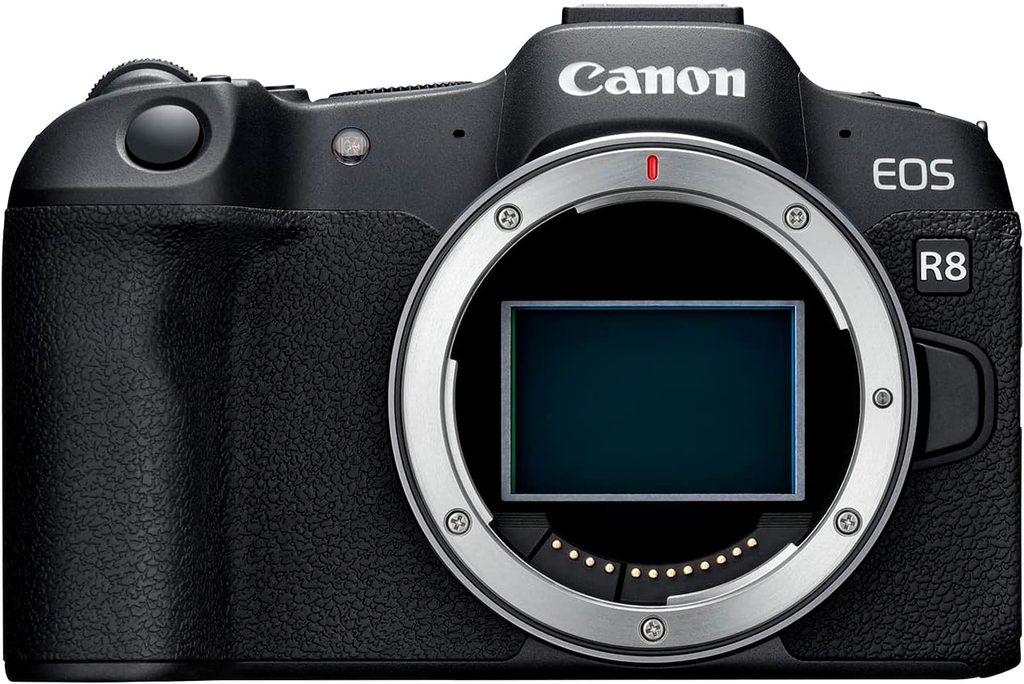
Full-frame video capability at an entry-level price, with smart compromises that maintain core quality.
A full-frame camera starting around $1,199 defies typical market expectations. The Canon EOS R8 packs a 24.2MP full-frame sensor delivering detailed imagery. Recording includes uncropped 4K 60p oversampled from 6K, ensuring expansive cinematic shots. With 10-bit 4:2:2 Canon Log 3 and focus breathing compensation, your video gains professional polish.
While lacking in-body image stabilization, many compatible RF and RF-S lenses provide optical stabilization, mitigating handheld wobble for vlogging. All-day shooters will need to manage smaller LP-E17 batteries. The ability to adapt affordable EF lenses expands creative possibilities significantly. This camera offers a strategic entry into full-frame creation with meaningful value.
15. Sony ZV-E10 II
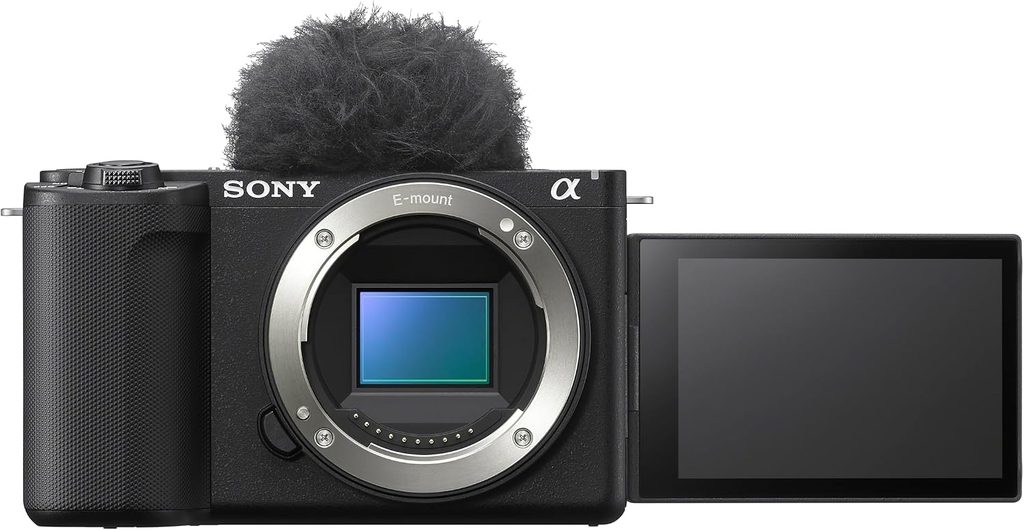
A creator-focused APS-C camera optimized for vlogging, with improved rolling shutter and direct LUT loading.
Creators chasing perfect morning light appreciate the Sony ZV-E10 II’s 26MP back-illuminated APS-C sensor, which handles low light with competence. For cinematic shots, this camera delivers 5.6K-oversampled 4K up to 60p, with 10-bit recording and 10-bit 4:2:2 S-Log 3. Its 759-point phase-detection autofocus snaps onto faces quickly, while rolling shutter performance shows meaningful improvement over the original model.
Handheld camera moves produce far less distracting distortion. Loading favorite LUTs directly into the camera saves substantial post-production time. Weighing only 292g, this camera prioritizes portability. Vertical shooting ensures social media content looks polished rather than hastily shot. User-centric design delivers powerful tools without demanding advanced technical knowledge.
14. Sony α7 V
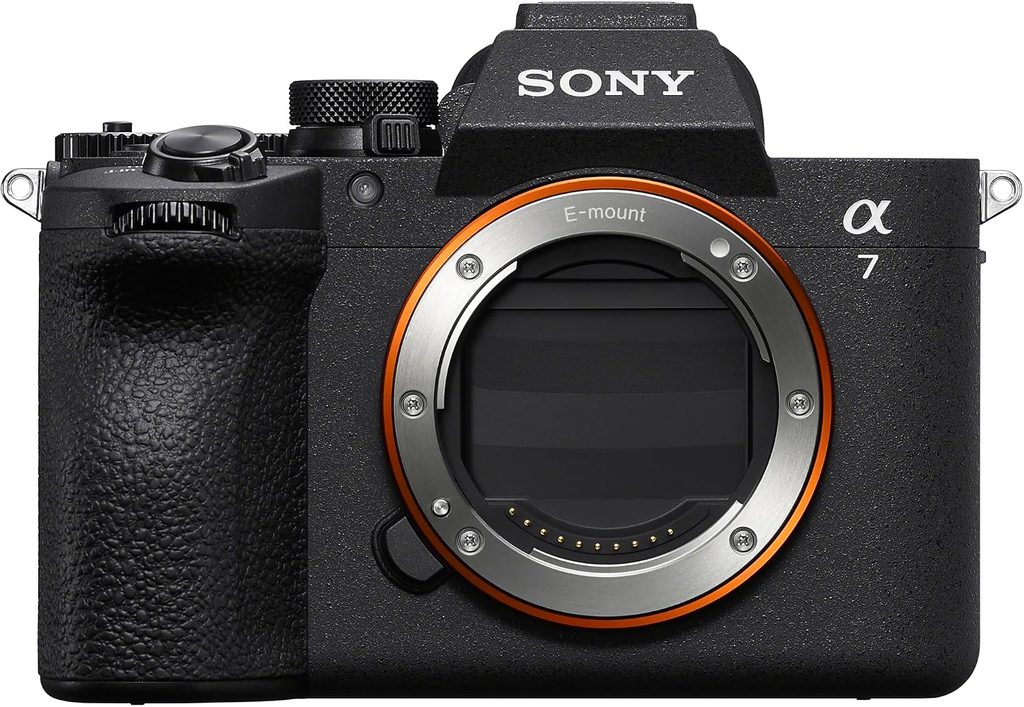
A partially stacked sensor enables uncropped 4K 60p with improved heat management for extended recording.
The Sony α7 V’s 33MP partially stacked full-frame sensor delivers strong dynamic range in its class. Recording captures 4K 60p oversampled from the full sensor without crop, preserving wide-angle perspective. For high-speed work, 4K 120fps recording is available with an APS-C crop.
Improved heat management enables over 90 minutes of continuous 4K 60p recording, a welcome feature for creators whose previous cameras quit during long takes. Advanced autofocus keeps subjects sharp, and the fully articulating screen handles any shooting angle. While limited to 4K output and lacking open-gate modes, this camera excels at consistent, high-quality 4K workflows.
13. Fujifilm X-M5
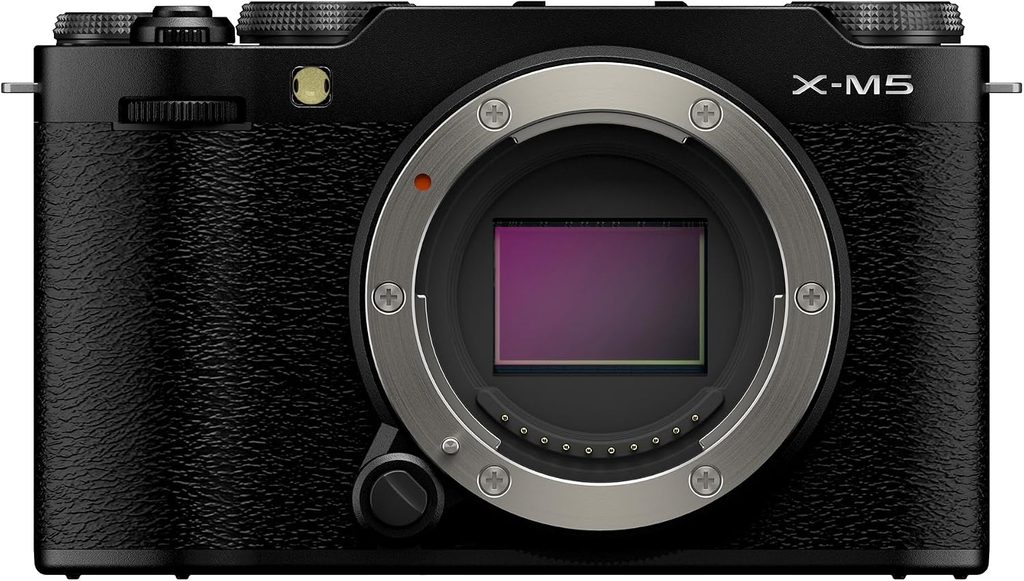
Compact APS-C body with distinctive Film Simulation modes and 6.2K open-gate recording.
Weighing just 355 grams, the Fujifilm X-M5 feels carefully balanced rather than cheaply light. Its 26.1MP APS-C sensor delivers images with unmistakable Fujifilm character. For creators aiming to establish visual identity, this camera offers distinct aesthetics that make content genuinely stand apart.
Video features include 6.2K open-gate recording, enabling flexible cropping for vertical shorts or cinematic widescreen. With 10-bit 4:2:2 internal recording and Fujifilm Film Simulation modes, the camera generates gorgeous footage directly, drastically reducing post-production work. It lacks in-body image stabilization, requiring steady hands or external support. Face-tracking autofocus performs adequately, though occasional stepping can occur. This camera champions unique creative output.
12. Canon EOS R50
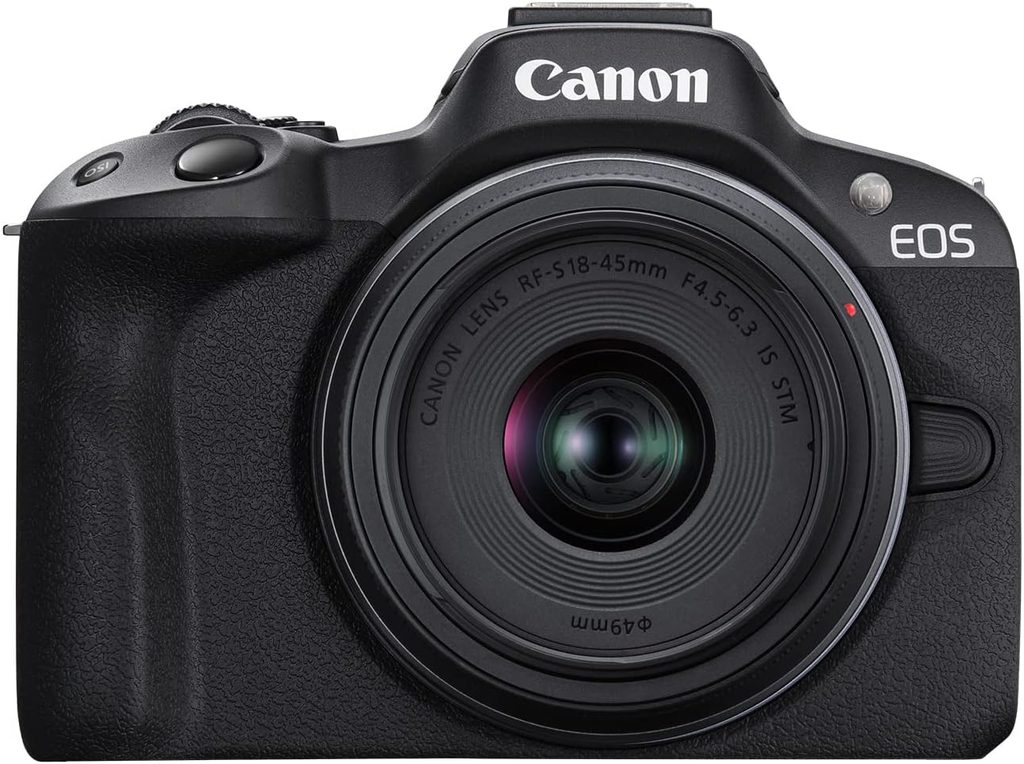
An affordable entry point into Canon’s RF-mount ecosystem with solid 4K capability.
The Canon EOS R50 offers straightforward access to the RF-mount APS-C ecosystem for creators starting their journey. It features a 24.2MP sensor delivering crisp images and solid 4K video. Dual Pixel CMOS autofocus locks onto subjects with impressive speed, functioning like a reliable co-pilot. The vari-angle screen makes vlogging or shooting from awkward angles manageable, proving invaluable for solo creators.
While it skips in-body image stabilization, making handheld cinematic shots more challenging, the R50 remains quite capable. Starting around $579, this camera can adapt affordable used Canon EF lenses, preserving budget for crucial accessories like quality microphones. This proves more than ready for social media content and YouTube channels without requiring major financial investment.
11. Canon EOS R50 V
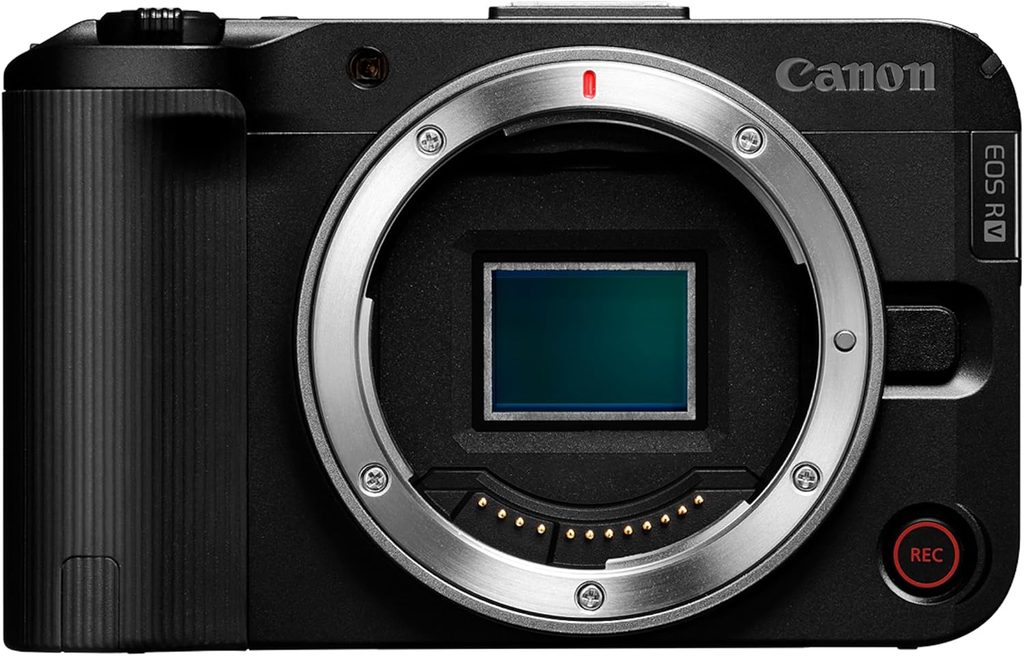
Built-in active cooling and video-first design enable extended recording without thermal shutdowns.
The Canon EOS R50 V addresses a critical reality: sustained video recording generates heat that standard camera bodies cannot always manage. This video-first body uses a 24MP APS-C sensor delivering 6K-oversampled 4K 30fps and cropped 4K 60fps. Recording includes 10-bit Canon Log 3 for serious color grading, alongside Canon’s reliable Dual Pixel CMOS autofocus. The built-in fan prevents overheating during extended recording sessions and livestreaming.
For dedicated creators, the R50 V adds professional touches like four-channel audio support and a tally lamp clearly signaling when recording is active. Its RF lens mount provides access to a growing ecosystem of high-quality glass. While it notably skips sensor-shift in-body image stabilization, its focus on sustained video capture with robust cooling makes it a specialized tool for creators who need uninterrupted footage.
10. Sony α6700
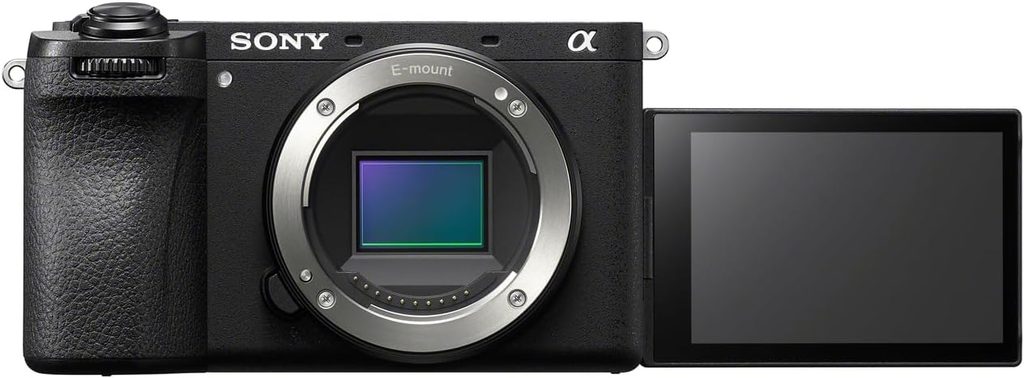
AI-powered autofocus and 4K 120p recording in a compact APS-C body with robust codec support.
AI integration increasingly defines modern camera operation, moving beyond simple autofocus to predictive intelligence. The Sony α6700 embodies this shift with its 26MP APS-C sensor leveraging AI for subject recognition that locks onto human or animal eyes even in challenging lighting. Advanced AI tracking autofocus ensures subjects remain sharp through dynamic movement and complex composition.
Video creators benefit from 4K 120p recording (with slight crop) or oversampled 4K 60p for pristine quality. Robust 10-bit 4:2:2 codec support includes S-Log 3, providing serious color grading latitude in post-production. Five-axis in-body image stabilization with active stabilization mode keeps shots steady during active movement. The compact body and extensive E-mount lens ecosystem make this camera remarkably versatile for diverse content needs.
9. Sony FX30
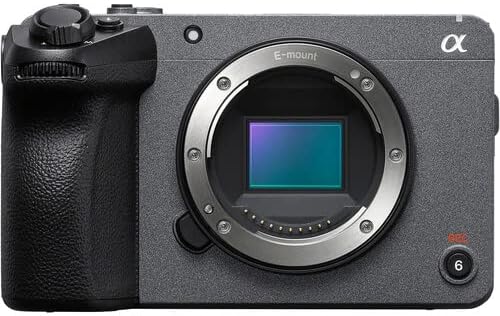
Cinema-oriented APS-C body with active cooling and professional form factor designed for extended production.
The Sony FX30 arrives as carefully prepared mise en place for serious video production. This camera’s 26MP APS-C sensor delivers crisp 10-bit video, including 4K 120p recording for detailed slow motion. Active cooling prevents thermal shutdowns during demanding shoots. Video-first focus makes it ideal for run-and-gun documentary work and extended recording scenarios.
The FX30’s body layout supports robust rigging, allowing professional accessories to be mounted securely. Compatibility with the vast Sony E-mount ecosystem provides access to extensive lens options. This camera’s compact form factor belies its functional role as a full-fledged cinema camera ready for professional production demands.
8. Panasonic Lumix S5IIX
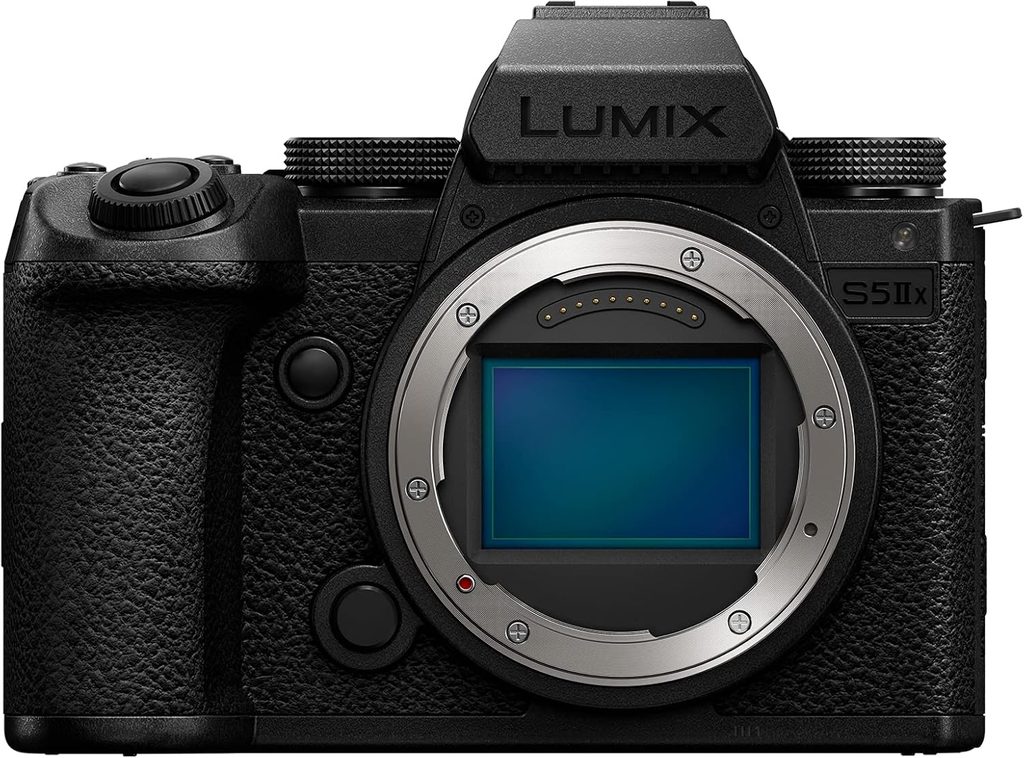
Expanded recording options including ProRes, USB-SSD recording, and HDMI RAW output for advanced workflows.
Standard video recording often falls short of demanding post-production requirements. The Panasonic Lumix S5IIX, built on the S5II’s full-frame platform and five-axis stabilization, provides solutions for advanced filmmaking workflows. Internal ProRes and direct USB-SSD recording streamline data management. Clean HDMI RAW output delivers pristine signals for intricate color grading.
With 6K open-gate and 4K oversampled from 6K in 10-bit 4:2:2 V-Log, detail and color latitude prove exceptional. Integrated fan-based cooling ensures consistent performance, preventing thermal shutdowns. This camera offers genuine professional utility, transforming raw captures into robust assets for high-end production work.
7. Nikon Z6III
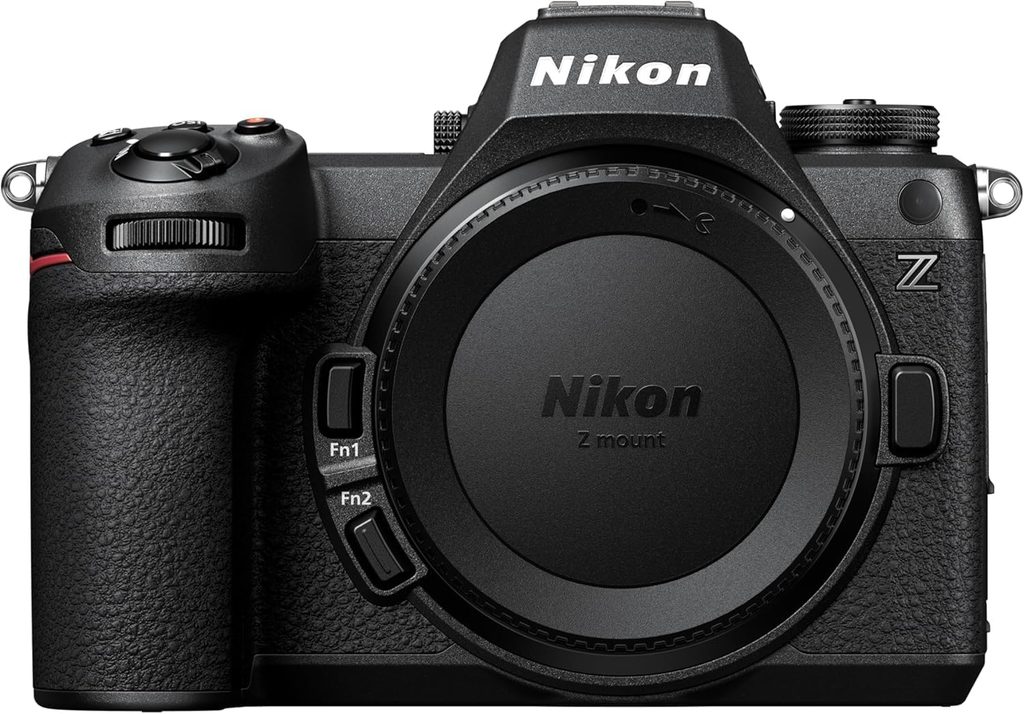
A partially stacked sensor enables fast readout for both stills and video, with internal N-RAW capability.
Nikon’s Z6III deploys a full-frame partially stacked sensor enabling fast readout speeds for both stills and video. For creators bouncing between photo shoots and run-and-gun video, this camera functions as a reliable partner. Modern Nikon autofocus ensures sharp stills even with fast-moving subjects. Robust five-axis stabilization makes handheld shots surprisingly steady.
For video production, internal N-RAW capability and 10-bit N-Log provide color grading latitude professionals demand. High-frame-rate recording reaches 4K 120p, capturing smooth slow-motion footage. The camera’s true strength lies in adaptability: native Nikon Z-mount lenses, adapted F-mount lenses through FTZ adapters, or third-party adapters expand optical options significantly.
6. Sony α7C II
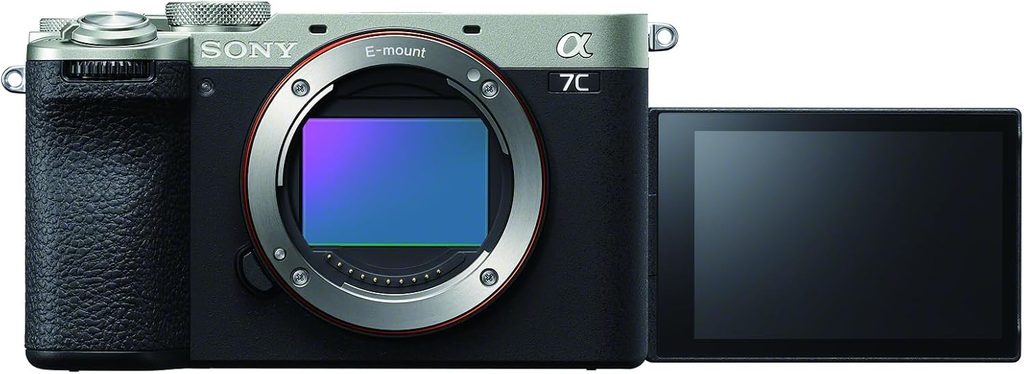
Compact full-frame hybrid delivering 33MP sensor performance in a travel-friendly body.
Traveling with serious camera gear once meant hauling substantial weight, but the Sony α7C II changes that calculation. This compact full-frame hybrid body delivers a 33MP sensor identical to the larger α7 IV, fitting into a form factor that won’t strain shoulders during all-day shooting. Recording includes 7K-oversampled 4K 30p, or cropped 4K 60p for higher frame rates, alongside 10-bit 4:2:2 recording with S-Log 3 for serious color grading.
AI-based autofocus processing ensures the camera locks onto subjects with precision, making missed shots increasingly rare. Five-axis stabilization keeps footage steady even during handheld shooting. Usable low-light performance extends the camera’s versatility, though shooters contend with a Micro HDMI port and fewer custom buttons than larger bodies. This camera blends high-end performance with grab-and-go convenience effectively.
5. Sony α9 III
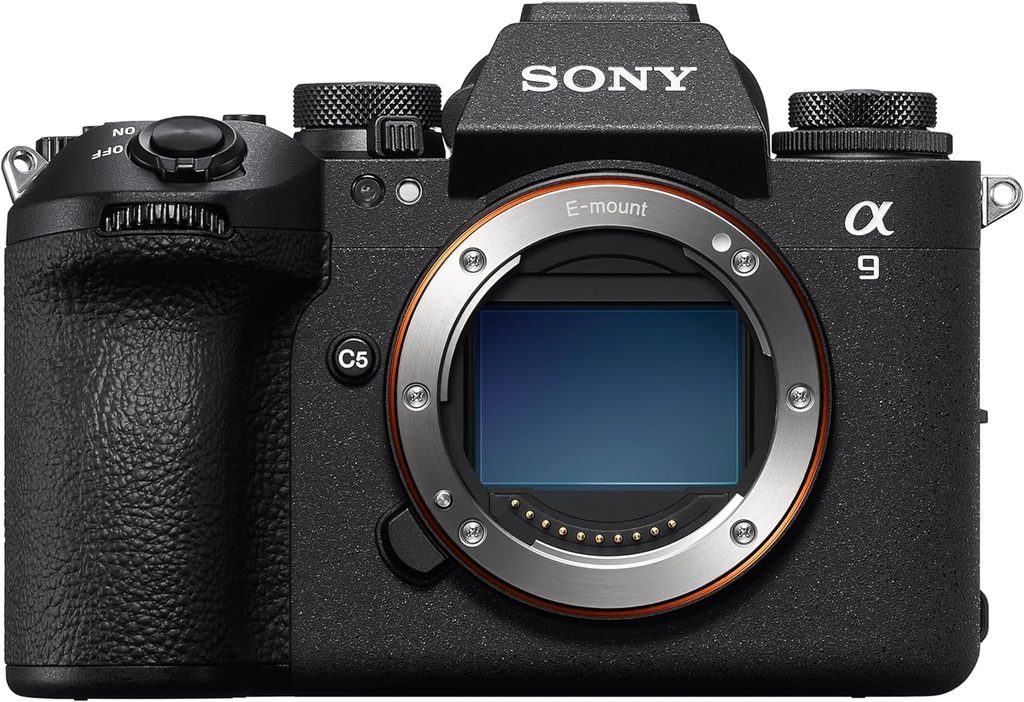
Global shutter eliminates rolling-shutter distortion for fast action, with specialized low-light requirements.
Fast-moving subjects often produce distorted video, with vertical lines appearing bent during rapid pans. The Sony α9 III solves this with its global shutter, capturing every pixel simultaneously to eliminate rolling-shutter artifacts. Fast pans and quick movements remain crystal clear. Recording includes oversampled 4K 60p and 4K 120p, backed by advanced autofocus, a full-size HDMI port, and fully articulating screen.
This specialized tool comes with particular requirements. Lower dynamic range and increased shadow noise require careful exposure management. Base ISO of 2000 in S-Log 3 necessitates 6- to 10-stop neutral density filtration for outdoor shooting. The α9 III excels as a precision instrument for capturing fast action without visual compromises, rather than a general-purpose hybrid.
4. Canon EOS R5 Mark II
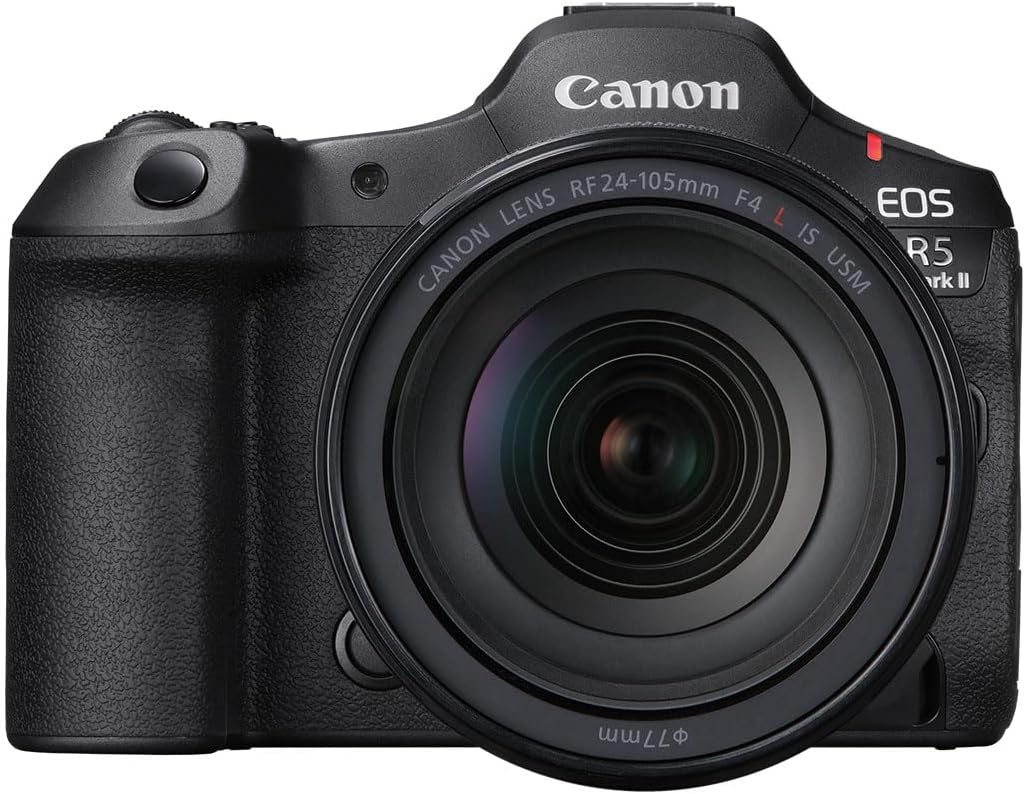
High-resolution stacked sensor enables internal 8K 60p RAW alongside strong hybrid stills capability.
The Canon EOS R5 Mark II addresses the challenge of needing pristine stills and cinematic video from a single body. It features a 45MP stacked full-frame sensor delivering crisp images. Internal 8K 60p RAW recording is available, plus 4K 30p oversampling and smooth 4K 120p. Recording includes 10-bit Canon Log 2, a notable upgrade for serious post-production work.
Dual Pixel Intelligent autofocus keeps subjects locked during fast-moving action. In-body image stabilization performs well, though wide-angle lenses can occasionally show slight wobble during extreme movement. The camera includes a full-size HDMI port, eliminating adapter frustrations common with smaller options. This represents a serious tool for advanced creators demanding uncompromising quality across both mediums.
3. Canon EOS R10
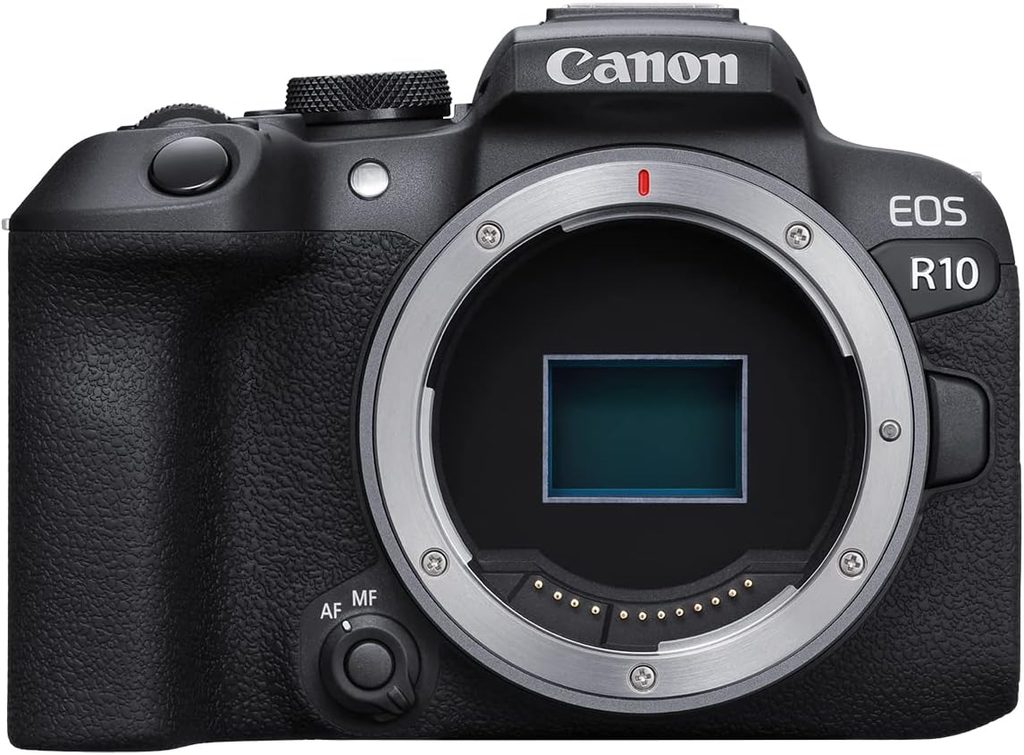
Advanced physical controls and HDR PQ 10-bit recording in an APS-C body without in-body stabilization.
Capturing nuanced color gradients in video demands robust processing capability. The Canon EOS R10 delivers HDR PQ in 10-bit recording, providing rich footage from its 24.2MP APS-C sensor. Subject-detection autofocus tracks subjects with precision. It handles 4K video capably; recording directly to the camera requires careful exposure management since professional log profiles are limited.
This camera features an advanced physical control layout compared to the R50, providing direct creative access. It handles RF, RF-S, and adapted EF lenses, offering a versatile optical toolkit. The lack of in-body image stabilization means relying on stabilized lenses or external support for smooth handheld footage.
2. Canon PowerShot V1
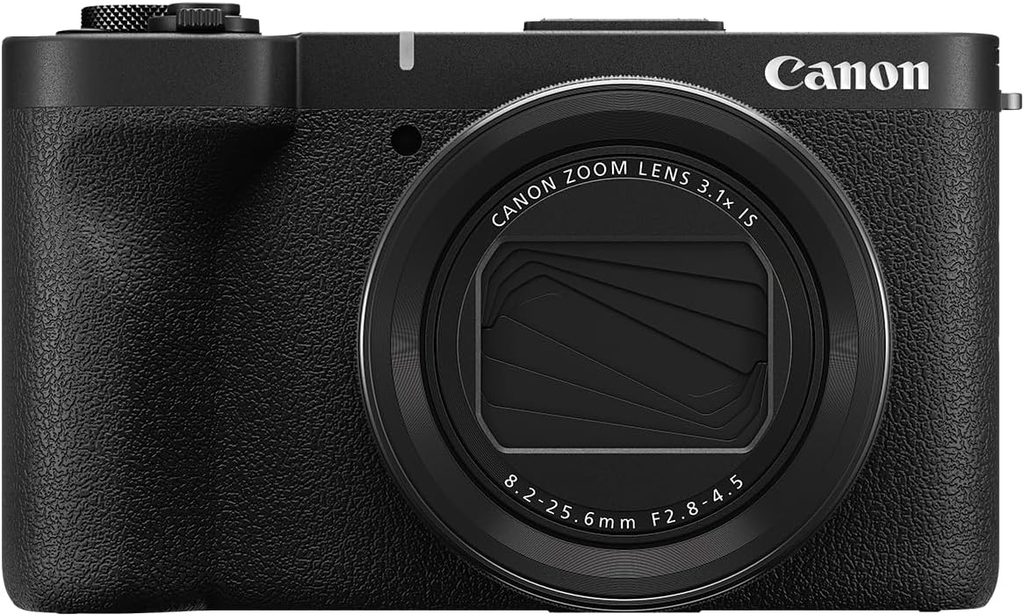
Compact fixed-lens creator camera with active cooling and four-channel audio in a pocketable package.
Demand for dedicated creator cameras has compressed advanced features into remarkably small packages. Weighing just 374g, the Canon PowerShot V1 is built for travel, vlogging, and livestreaming. It houses a 1.4-inch sensor with a fixed 16–50mm-equivalent f/2.8–4.5 lens featuring optical image stabilization. Active cooling enables sustained 4K 60p or Full HD 120p recording without thermal shutdowns. Canon Log 3 and Dual Pixel CMOS AF II ensure professional video capabilities and precise autofocus.
This compact device operates efficiently, simplifying gear decisions common with interchangeable-lens systems. The PowerShot V1 suits creators prioritizing robust video features and extreme portability, delivering serious video quality without bulk. This camera keeps creators ready for impromptu recording opportunities.
1. Fujifilm X-S20
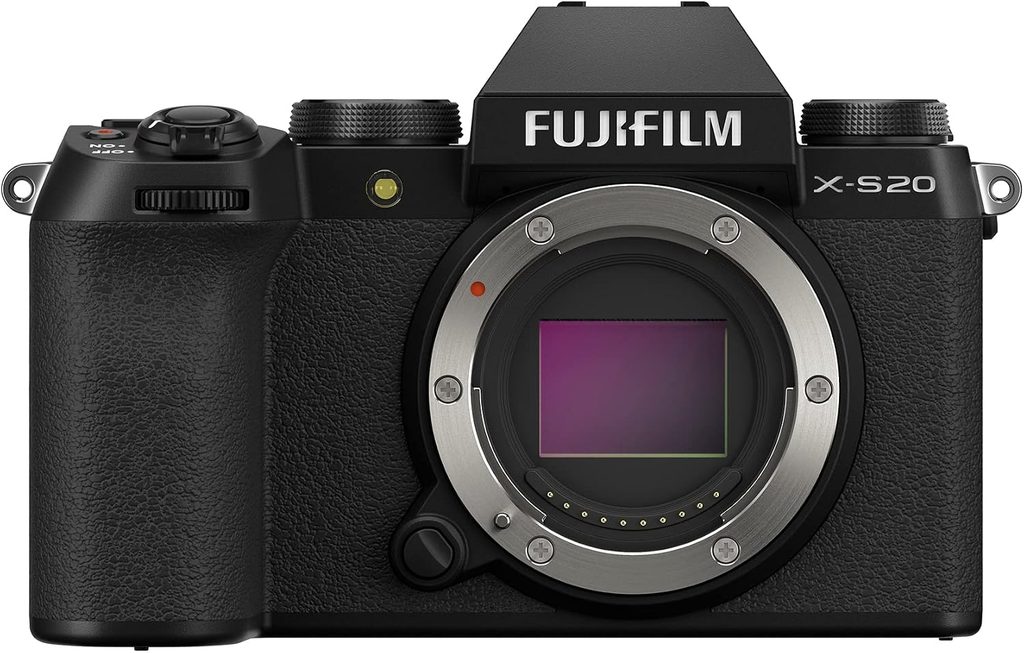
Five-axis IBIS and 6.2K open-gate recording in a compact APS-C hybrid weighing under 500 grams.
Camera technology once forced an impossible choice between compact size and professional video capabilities. The Fujifilm X-S20 weighs just 491 grams yet offers an impressive blend for hybrid shooters. Its 26.1MP APS-C sensor delivers crisp stills and serious video features. Recording includes 6.2K open-gate or 4K up to 60p (with slight crop), powered by a larger battery than its predecessor.
Built for those taking video seriously, this model delivers Full HD up to 240p and 10-bit 4:2:2 internal recording with F-Log 2. Five-axis in-body image stabilization helps keep footage steady during active shooting. While autofocus performs well, it lacks the surgical precision found in some Sony models, with potential focus or exposure stepping with certain lenses. The X-S20 solidifies Fujifilm’s position in the APS-C market, proving compact cameras can deliver cinematic content.