



Coolworld, a refrigeration service provider supporting France’s Établissement français du sang (EFS), was targeted in a cyberattack. Attackers manipulated remote-monitoring software connected to cold-storage systems at multiple EFS facilities, including sites in Bourgogne-Franche-Comté.
The 110°C Figure Needs Context
That number describes a controller instruction, not a verified temperature inside the freezers or the plasma bags.
Attackers altered setpoints from approximately -30°C to a requested 110°C (230°F), according to reporting by Le Canard enchaîné and summarized by multiple outlets. Three separate measurements matter: what the control system requested, what the equipment actually reached, and what temperature the stored products experienced. Only the first figure has been publicly reported in the sources reviewed.
A Technician Caught It
An on-call technician’s detection of the abnormal rise helped prevent reported operational disruption.
An on-call technician noticed abnormal temperature increases during the night and triggered corrective action. The French Ministry of Health stated there were “no operational consequences, as the situation was recognised (as it was happening),” according to ITPro reporting.
What Was at Stake
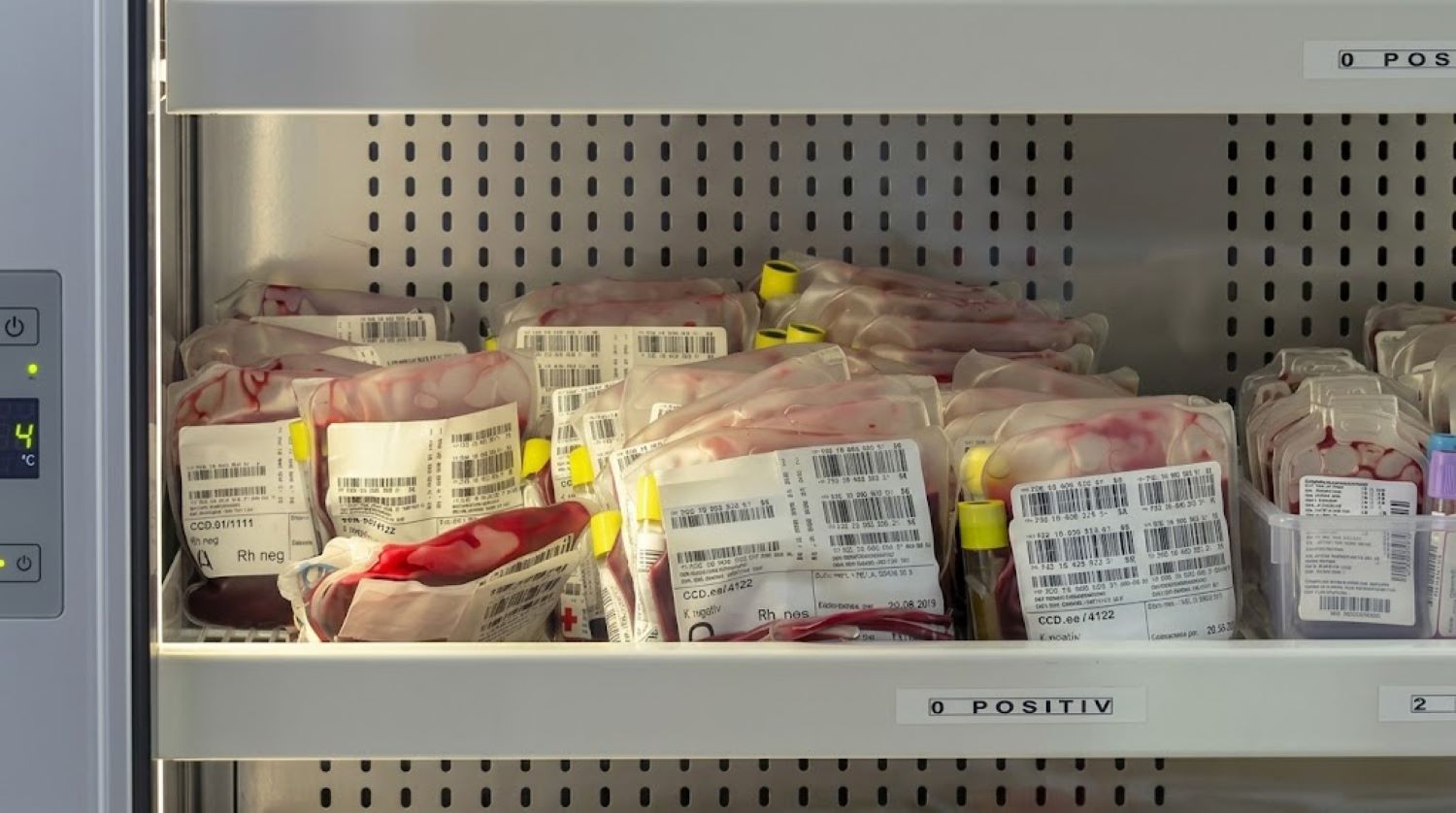
Frozen plasma and donor samples were held in the affected storage areas.
EFS later confirmed that plasma bags were among the materials concerned. Plasma that remains above required storage temperatures for too long may no longer meet safety requirements and could need to be pulled from the transfusion supply. No plasma destruction, compromised transfusion, patient injury, or donor-data theft has been publicly confirmed.
Frédéric Pacoud, EFS president, told BFMTV that “there was no compromise to the safety of blood products,” as reported by Infosecurity Magazine. He acknowledged the organization could have lost samples or plasma bags without early detection, according to the same reporting.
Coolworld Points to a Third-Party Component
The company says the vulnerability was not in software it directly controlled.
Coolworld confirmed it was aware of a cybersecurity incident involving remote-monitoring software and said only a limited number of units were affected. The company attributed the exploited vulnerability to a third-party software component rather than one under its direct control. The specific software, attack method, and initial access route have not been publicly established.
The Supply-Chain Problem Is the Real Story
No breach of EFS’s own information systems has been publicly confirmed, while the attack involved refrigeration systems serviced by a third-party contractor.
A third-party provider’s remote-monitoring software became the attack surface for systems holding transfusion supplies. Public reporting has not identified EFS’s own network perimeter as the entry point.
A series of attacks on supermarket refrigeration systems across France and other European countries preceded this incident. France’s national cybersecurity agency, ANSSI, has flagged specific controller families in those earlier cases. No confirmed technical link between those incidents and the EFS event has been established, and attacker identity remains unknown.
Healthcare refrigeration systems protect blood products, vaccines, medicines, and biological samples. Their control interfaces are patient-safety infrastructure, not back-office equipment. An on-call technician’s detection of the abnormal rise helped prevent a potential cold-chain incident from becoming a confirmed loss of transfusion supplies.