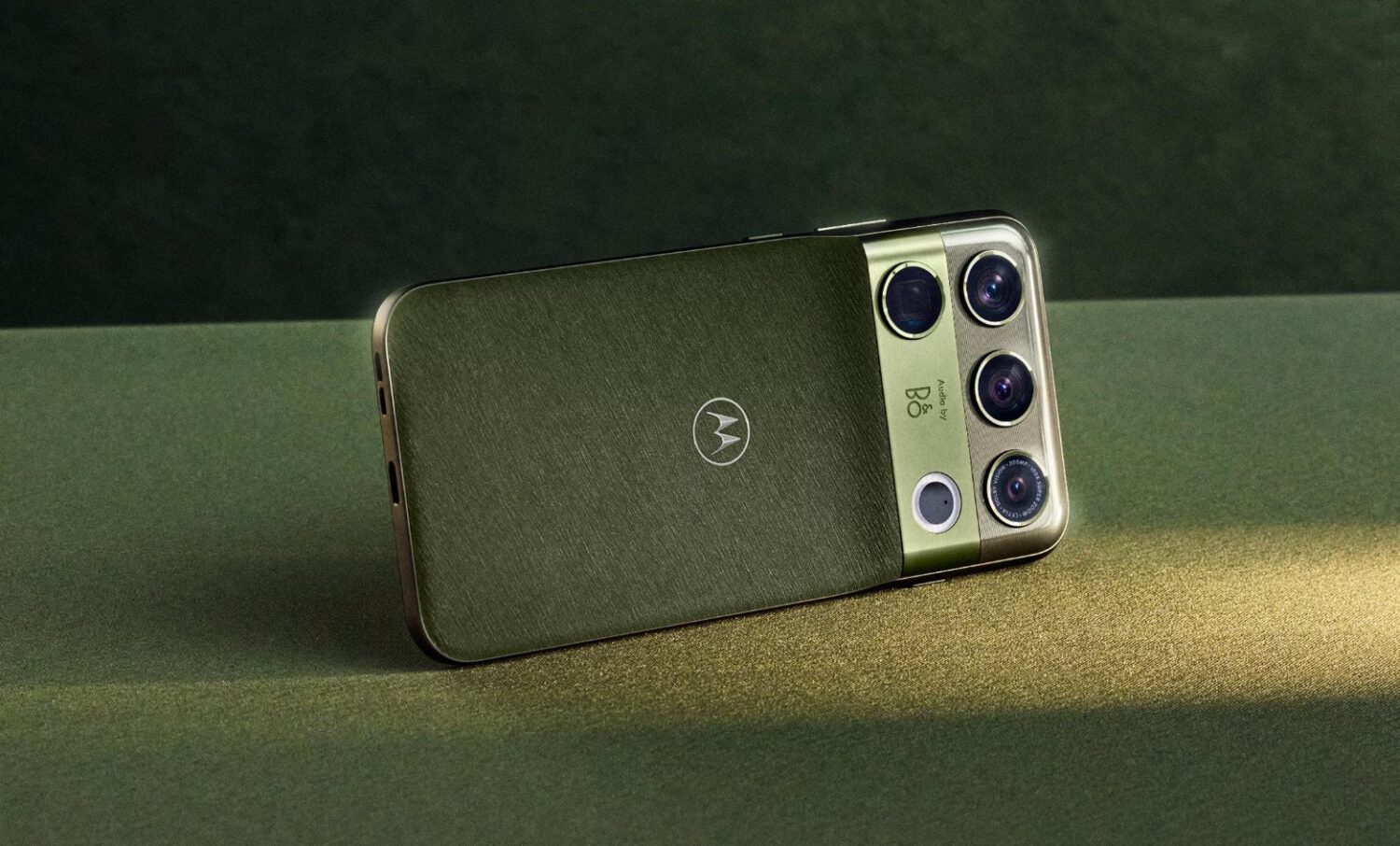
At $1,599.99, the Motorola Signature 27 demands a clear-eyed buying decision. Preorders open November 19, with retail sales beginning November 26 through Motorola, Amazon, and Best Buy, sold unlocked with no carrier partnerships announced at launch.
What You’re Paying For
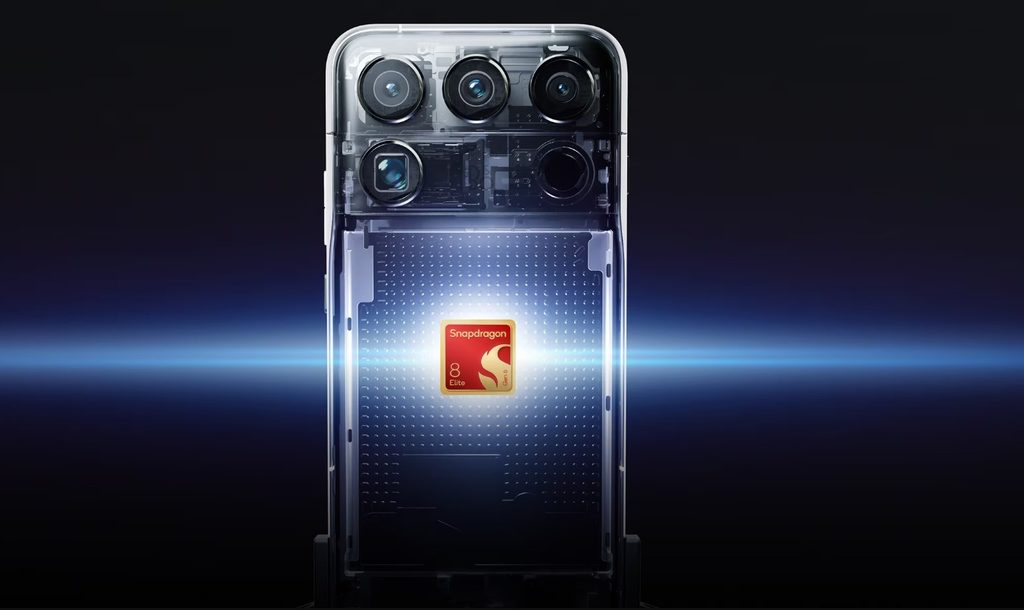
The Signature 27 pairs Qualcomm’s Snapdragon 8 Elite Extreme Gen 6 processor with 12GB of RAM and 512GB of storage for the US market.
Its 6.8-inch Extreme AMOLED Duo display uses a tandem OLED panel running at 120Hz. Motorola claims peak brightness of up to 12,000 nits, though that figure reflects a 1% average-pixel-level test condition, not sustained full-screen output.
Battery and Charging
A 7,000mAh silicon-carbon cell is substantially larger than what most premium slab phones carry, and that capacity gap is real regardless of what real-world tests eventually show.
Motorola estimates that 12 minutes of 90W wired charging delivers roughly 12 hours of use; those are the company’s own figures, not independent results. The charging brick is sold separately.
Camera System
The rear camera setup is the Signature 27’s most ambitious feature, and also its biggest open question until reviewers can test it in the field.
The rear camera system includes:
- 50MP primary camera
- 50MP ultrawide camera
- 200MP periscope telephoto with 3x optical zoom and up to 100x AI-assisted digital zoom
- Dedicated event-based vision sensor powering Action Shot, designed to freeze fast-moving subjects by detecting pixel-level light changes independently of the main sensors
Whether the Action Shot sensor delivers a meaningful advantage over the computational photography systems Apple, Google, and Samsung already ship remains unproven.
Privacy and Software
The Signature 27 is the first Motorola device identified for official GrapheneOS compatibility, though few mainstream Android flagships have offered planned support for the privacy-focused operating system.
The phone ships with standard Android 17; GrapheneOS is not preinstalled, and timing for that support remains unconfirmed. Motorola promises seven major Android upgrades and seven years of security patches. Gemini Intelligence and the Qira platform are included at launch, while some Google AI features are expected to arrive afterward.
Build and Design
Coal Smoke and Capulet Olive are the available finishes, with tactile textures meant to suggest tactical weave and textile, respectively.
The frame is aluminum, protected by Gorilla Glass Ceramic 3, and rated IP68 and IP69. Measuring 162mm tall and weighing 227 grams, this is a large, substantial device.
The Competitive Reality
At $1,600, buyers are one mental step away from a foldable, and Motorola needs to clear that hurdle with performance, not just specifications.
The hardware case is genuinely ambitious. It pairs a top-tier processor and tandem OLED panel with an oversized battery, three rear cameras, a dedicated motion sensor, long software support, and a planned path to GrapheneOS.
That list is not the problem. Some buyers spending this much may expect either a folding screen or a camera system with an established track record, and the Samsung Galaxy Z Fold 7 sits at a comparable price point as a direct alternative. Motorola has the specs. Proving the experience is the work that comes next.