Democrats flipped both chambers in the 2026 midterms and moved quickly to signal where their new institutional power would land: on the technology industry and those who spent heavily to keep them out of the majority.
The Oversight Engine Starts Immediately
Committees can open investigations, hold hearings, and issue subpoenas from the first day of the new session.
DOGE operations, AI-company lobbying, data-center subsidies, and corporate influence over federal agencies are all expected early targets, according to Politico.
Rep. Greg Casar has said AI-company CEOs should testify under oath, tying the demand directly to voter frustration over data-center expansion, as reported by The Verge.
Musk Faces Scrutiny on Multiple Fronts
Democrats plan to examine Musk’s federal contracts, his leadership of DOGE, and his companies’ relationships with the administration.
Elon Musk spent at least $474 million supporting Republican candidates this cycle, according to CNBC. That investment left him with fewer congressional allies and a Democratic majority now positioned to scrutinize his leadership of DOGE, federal workforce reductions, potential conflicts of interest, and his companies’ federal contracts.
Lawmakers have also identified reported disruptions to Starlink service in Ukraine as a possible subject of investigation, raising broader questions about private corporate control and national-security decisions, according to Politico.
AI Legislation Has Ambition and a Veto Problem
The legislative framework Democrats are assembling faces a significant obstacle in the White House.
Reps. Sara Jacobs and Don Beyer are building a legislative framework covering minimum safety standards for advanced AI models. The proposal would also establish government authority to intervene when models fail testing standards and clarify liability rules, according to Politico.
Bipartisan negotiation is therefore essential. Analysts cited by The Verge expect President Trump to veto any bill he views as slowing model deployment.
Antitrust proposals targeting major technology platforms may also return, though their path to enactment faces similar obstacles.
Data Centers Hit Resistance From Two Directions
Federal oversight and state ballot results are converging on the same industry at the same moment.
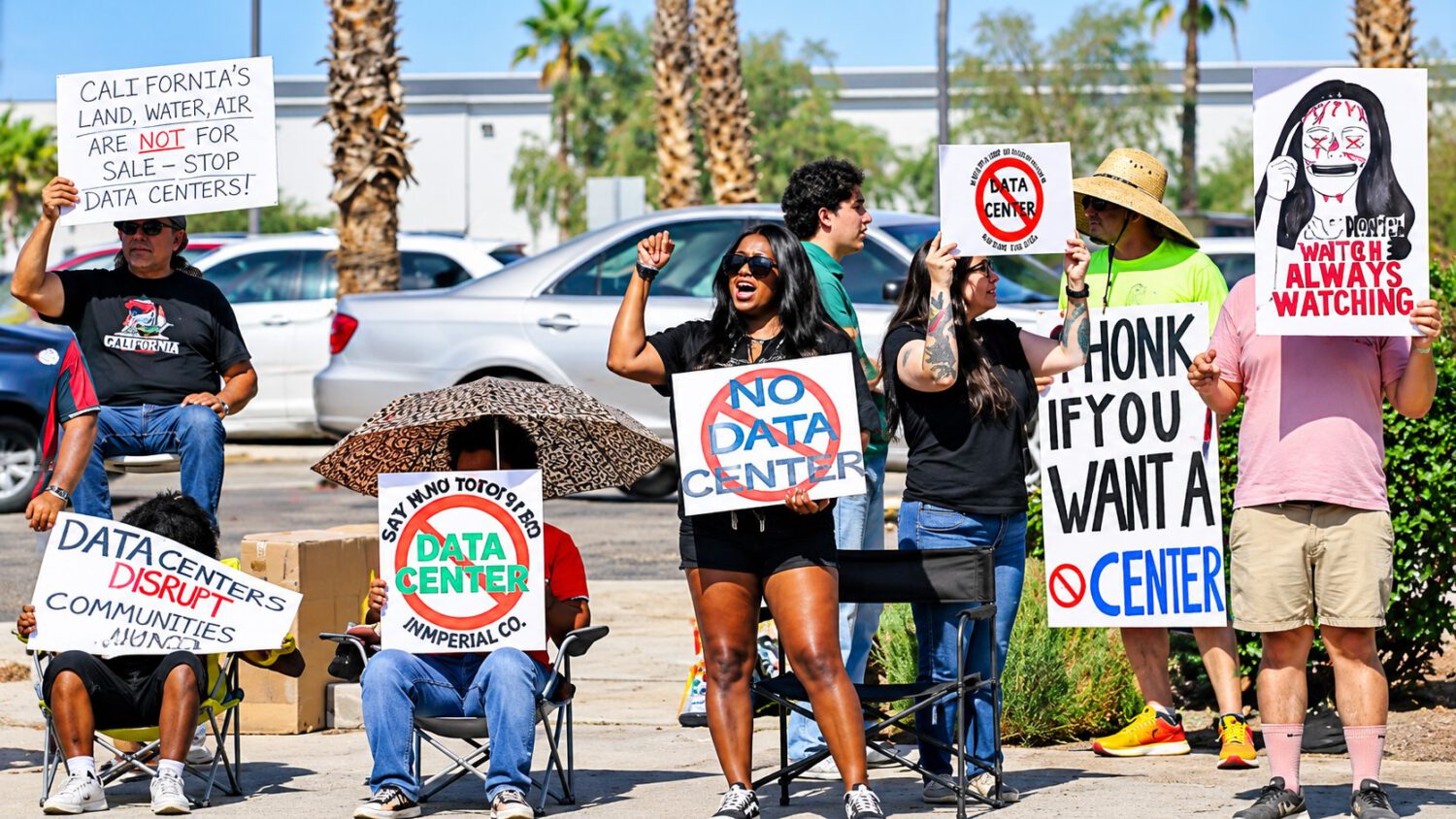
Congress can scrutinize electricity consumption, water use, and the tax incentives that underwrite data-center construction. More than 30 data-center-related ballot measures appeared across 13 states in November; nearly all passed, according to USA Today. That result gives state officials fresh political mandates to tighten permitting and environmental requirements.
Rep. Sam Liccardo has argued that developers should help finance grid investments rather than face construction halts. He frames the AI data centers buildout as a potential source of infrastructure funding, as reported by The Verge.
Analysts cited by Fortune expect some planned projects to slow as federal and state pressure compounds.
Children’s Safety Offers the Clearest Bipartisan Path
Concerns about harmful online content and platform design directed at minors cross party lines in ways that few technology issues do.
Legislation to protect children online has advanced in prior sessions and returns to a more favorable environment. Concerns about platform design and harmful content directed at minors do not align neatly with party lines.
Additional proposals could include age-verification requirements for app stores and restrictions intended to limit younger teenagers’ access to social media platforms, according to The Verge.
Oversight Without Legislation Has Limits
Hearings build a public record, but that record gains force only when paired with enforceable policy.
The strategic tension Democrats face is straightforward. Hearings generate pressure on executives and agencies, yet enforcement ultimately depends on legislation, administrative action, or litigation, not the hearings themselves.
Rep. Liccardo has warned that confrontations with technology executives risk becoming performative if not paired with concrete legislative outcomes, according to The Verge. Whether Democrats can convert investigative momentum into enforceable policy, despite a presidential veto threat, will determine whether this Congress produces lasting accountability.