Two Princeton alumni built a biomimetic filtration system now capturing hundreds of millions of plastic particles before they reach the Atlantic Ocean. No law required it.
Every day, the Atlantic County Utilities Authority’s Atlantic City facility processes roughly 40 million gallons of wastewater from 14 municipalities, then discharges treated effluent to the Atlantic Ocean. ACUA and PolyGone Systems say their new permanent installation adds a dedicated microplastic-capture step, which the two organizations describe as the first commercial-scale municipal system built for that purpose.
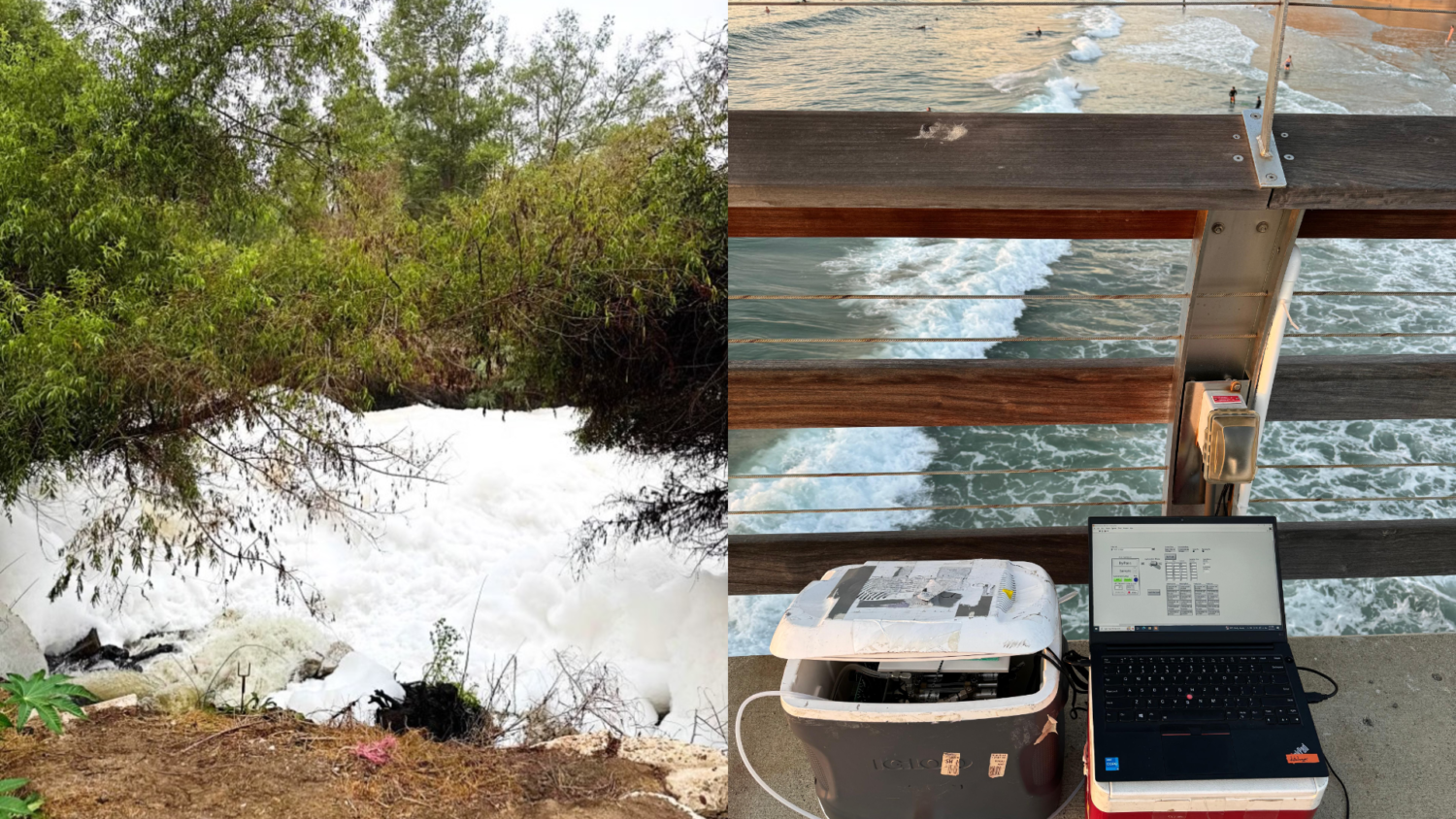
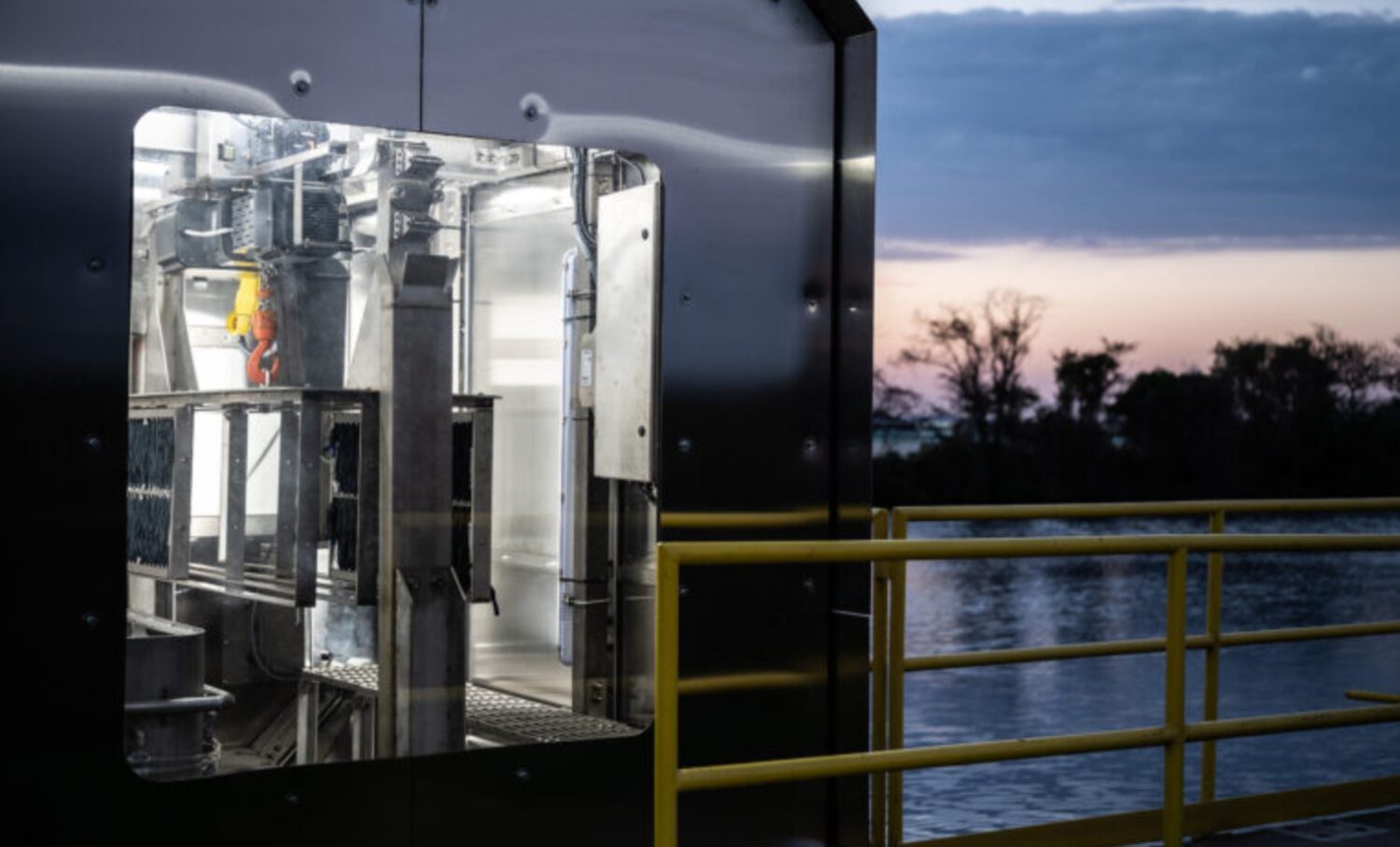
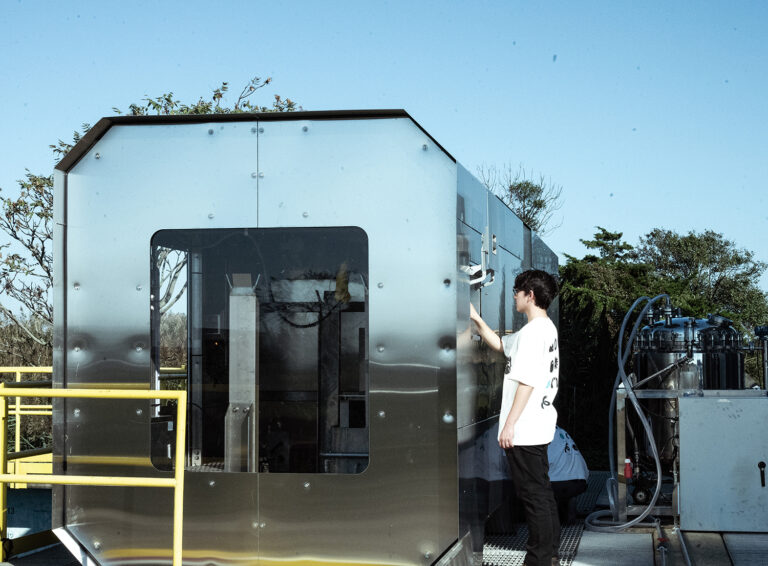
The technology, called the PolyPod system, uses biomimetic filtration: filters engineered to mimic ultrahydrophobic wetland plants, which naturally attract and hold hydrophobic particles. According to PolyGone‘s project description, it sits in the treated-effluent stream just before discharge, adding a capture layer without requiring utilities to replace existing infrastructure.
What the Pilot Captured, and What Remains Unconfirmed
ACUA says the two-year pilot removed more than 580 million microplastic particles per year, but that figure has not been independently validated.
ACUA reports that a two-year pilot program, which began in 2024, captured more than 580 million microplastic particles annually from the facility’s flow. That result is a project-reported measurement; no independent validation has been identified in the cited materials. PolyGone’s laboratory testing showed more than 98% removal in controlled conditions, though comparable performance for the full commercial installation has not yet been established, according to WHYY.
Matt DeNafo, president of the Atlantic County Utilities Authority, put the stakes plainly in comments reported by WHYY. “We’re discharging to the ocean. So, if we’re not removing the plastic that’s in our wastewater, we’re putting it back into the environment.” The permanent installation received $1,963,500 in financing through the New Jersey Water Bank, according to ACUA project records.
The Princeton Alumni Who Built It
PolyGone’s founders brought architecture and design training to a problem that conventional engineering had not yet solved at commercial scale.
PolyGone was founded by Nathaniel Banks and Yidian Liu, former Princeton University graduate students whose academic backgrounds are in architecture and design. The company has launched a parallel system at a wastewater plant in California and has expressed interest in developing smaller residential-scale applications.
Banks described the significance to WHYY: “I think this really marks a new era for treatment innovation, where we’re able to build very large, scalable systems that use a very small amount of material and very low energy to treat very challenging contaminants.” Independent monitoring of operating costs, maintenance requirements, and energy use will be needed to assess whether that description holds at commercial scale.
No Rules Require This. That’s the Point.
The absence of any state or federal microplastic standard is what ACUA and PolyGone say makes the Atlantic City project a replicable voluntary model.
No state or federal regulations currently mandate microplastic removal from municipal wastewater or drinking water, according to WHYY’s reporting. ACUA and PolyGone describe the Atlantic City project as a model that other utilities could adopt without waiting for new regulations.
The regional case for action is visible in recently published data. A sampling effort organized by PennEnvironment, with analysis by Drexel University’s Academy of Natural Sciences, detected microplastic particles in every sample from 22 waterways across the Delaware River watershed, including the Delaware, Schuylkill, and Brandywine rivers. That work did not identify specific sources or establish contamination levels for individual waterways. It does not establish a direct line from wastewater discharges to those findings.
Scientists have detected microplastics in human tissues and bodily fluids, but research has not established the specific health consequences of exposure. Independent monitoring of the Atlantic City system will need to track capture rates across particle sizes and seasonal or storm-event performance. It should also document annual operating costs and confirm the disposal process for recovered material, which ACUA’s project records indicate is concentrated into sludge and incinerated.