Your iPhone won’t get Apple’s biggest Siri upgrade when iOS 27 launches later this year—if you live in the EU. Apple’s new Siri AI, featuring conversation memory, visual intelligence, and integrated writing tools, hits a regulatory wall that’s left the company “deeply disappointed” and EU users empty-handed.
The culprit? The Digital Markets Act, Europe’s sweeping competition law that Apple says forces an impossible choice between user privacy and market access.
What EU Users Are Missing
The feature gap creates a two-tier Apple experience across regions.
EU iPhone and iPad users will miss Siri AI’s marquee capabilities when iOS 27 and iPadOS 27 roll out. That includes:
- The new conversation app for revisiting Siri chats
- Expanded Visual Intelligence that understands on-screen content
- System-wide AI writing tools
- A Siri mode in the Camera app for voice-controlled photography
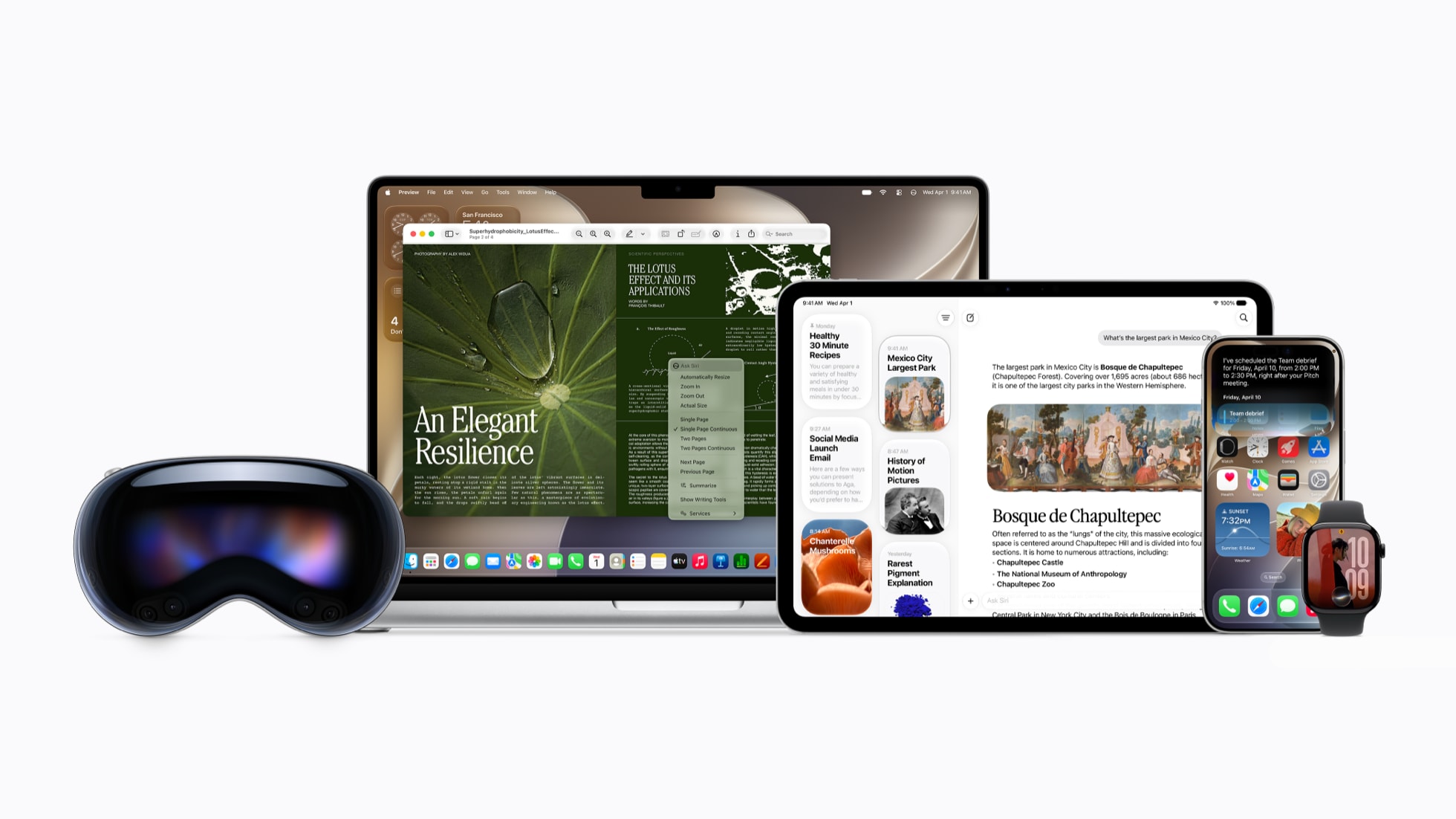
The restrictions create a fragmented Apple ecosystem. EU users will get Siri AI on macOS 27 and visionOS 27—platforms not covered by the DMA’s “gatekeeper” rules—but their primary mobile devices remain stuck with legacy Siri. Even Apple Watch users lose out, since watchOS 27’s Siri AI requires a paired iPhone running the new features.
EU-based developers face similar limitations, unable to test or integrate Siri AI features for their iOS and iPadOS apps during the initial rollout.
The Regulatory Standoff
Apple claims EU rules would compromise device security for all users.
Apple argues that Brussels’ interpretation of the Digital Markets Act would require giving third-party AI systems “nearly unlimited access” to user messages, purchases, files, and cross-app actions. The company points to research showing AI systems can be hijacked to steal passwords and photos, arguing that broader access magnifies these risks.
Apple proposed solutions including:
- A “Trusted System Agent” that would let competing assistants access similar capabilities through secure intermediaries
- An 18-month phased rollout
According to Apple’s June 8 statement, the European Commission rejected all proposals.
Craig Federighi, Apple’s software chief, said the company hopes to eventually bring Siri AI to EU mobile devices but “do[es] not currently have a timeline” due to regulators’ refusal to “engage constructively on solutions that preserve privacy and security.”
Global Fragmentation
China joins the exclusion list for separate regulatory reasons.
China presents another roadblock, with Siri AI unavailable at launch while Apple “works through regulatory requirements”—though the company hasn’t detailed specific Chinese concerns like it has with EU privacy rules.
The dual exclusions highlight how AI features, unlike previous Apple rollouts, face unprecedented regulatory scrutiny. Like trying to launch Netflix in 2007 but only in select time zones, Apple’s AI ambitions now navigate a patchwork of national digital laws.
No official workarounds exist, with regional blocks likely enforced through both device location and Apple ID region settings—the same system that previously delayed earlier Apple Intelligence features in the EU.