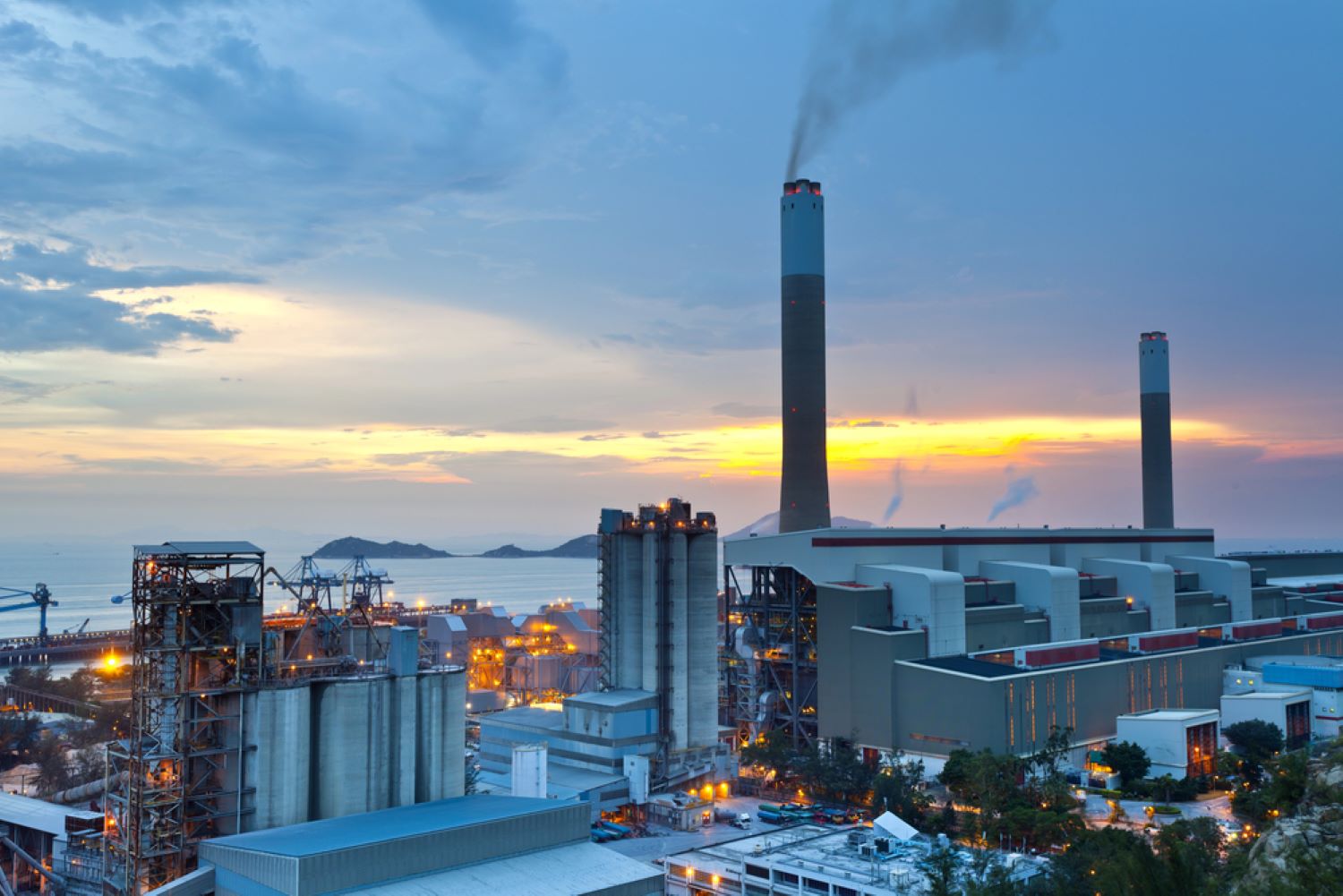
Coal generation in the U.S. jumped 13% last year. Power-sector carbon emissions climbed roughly 4%, outpacing the broader economy’s 2% rise, according to federal data reported by Bloomberg and the BBC. This happened during a record year for solar and wind deployment. The overlooked driver: AI data centers consuming electricity at unprecedented scale, forcing utilities back to coal to keep the lights on. This isn’t a fringe concern — it’s in the federal data, and it’s a planning failure, not a technological inevitability.
The Numbers Don’t Lie
The data on data centers is blunt, and none of it points in a comfortable direction.
The math is brutal:
- U.S. data centers consumed about 176 terawatt-hours of electricity in 2023 — 4.4% of national demand, per Lawrence Berkeley National Laboratory. Projections put that figure at 325–580 TWh by 2028.
- Coal plant retirements fell to roughly 3 gigawatts in 2024, the lowest since 2015, according to S&P Global.
- At least 17 fossil-fuel generators have postponed shutdowns specifically to serve new data center loads, per Utility Dive.
That last one deserves its own moment of silence.
Hyperscale AI facilities need tens to hundreds of megawatts running around the clock. Solar panels sleep at night. Wind turbines take days off. So utilities default to what’s already plugged in and dispatchable: fossil plants. Higher natural gas prices — pushed up partly by expanded LNG exports — made coal the cheaper option on the margin. “Due to the higher prices of natural gas, there was a shift towards using more coal than in 2024,” Rhodium Group’s Michael Gaffney told the BBC.
Northern Virginia hosts the world’s largest AI data center cluster. Coal generation nearly doubled in Virginia in a single year. Pennsylvania and West Virginia ramped output to feed it. One regional AI hub reshaped multi-state coal flows — not as an abstraction, but as a measurable shift in emissions and extraction. Steve Piper of S&P Global told Grist the AI boom is “going to slow down that decline“ of coal.
A Policy Failure, Not a Tech Problem
The power sector has cheap, available alternatives — which makes this coal rebound harder to excuse.
Unlike decarbonizing steel or cement, where the chemistry fights you, the power sector has viable options right now. This coal resurgence isn’t about physics. It’s about planning. Utilities built retirement schedules assuming flat demand for decades. The AI surge blindsided them. Some analysts at Argus Media argue coal’s comeback may be short-lived — a temporary artifact of gas prices and capacity gaps. That’s a reasonable position. But with data centers accounting for an outsized share of recent U.S. demand growth, the burden of proof sits firmly with the optimists.
Google, Meta, Amazon, Microsoft — every major hyperscaler carries a net-zero pledge. Those pledges now sit awkwardly next to coal plants running extra shifts to keep their servers humming. Regulators, hyperscalers, and grid planners each hold leverage here — as the $500 billion Stargate Project illustrates. The open question is whether any will act before coal retirements stall permanently — and before the carbon tab for your daily AI tools becomes impossible to ignore.