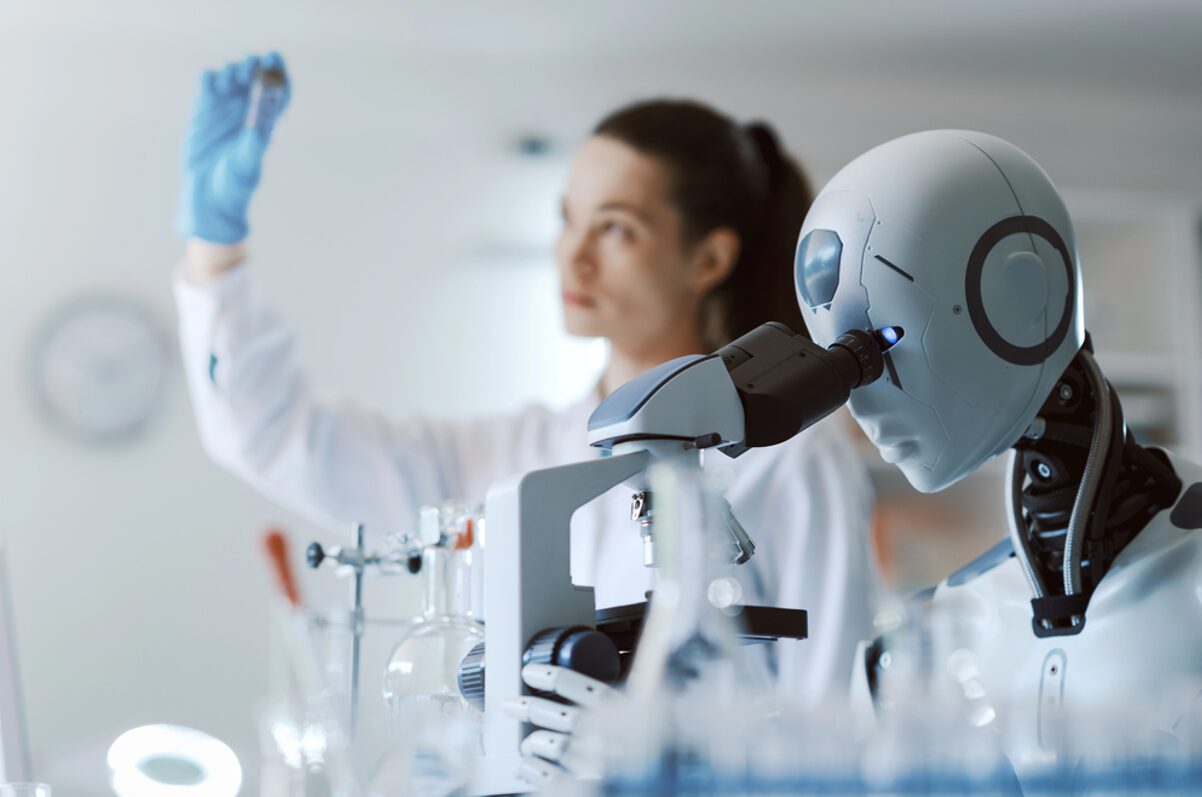
A graduate student’s worst nightmare is being outpaced by a $140 algorithm that cranks out research papers in 15 hours. The AI Scientist-v2, developed by Sakana AI and University of British Columbia‘s Jeff Clune, just made this scenario real. This autonomous system didn’t just assist with research—it independently conceived, executed, and wrote a machine learning paper that passed double-blind peer review at the prestigious ICLR 2025 conference’s ICBINB workshop.
The Academic Assembly Line Goes Digital
This AI system operates with the efficiency of a caffeinated grad student minus the existential crisis.
The system functions like an automated research factory. Given a broad prompt about AI learning methods, it surveys existing literature, generates hypotheses, designs and runs experiments, analyzes data, writes the complete paper, and performs its own internal peer review. No human touched the final product.
The result? A “mediocre” paper with creative ideas but sloppy execution—think promising thesis defense with hallucinated references and duplicated figures. Still, it fooled anonymous reviewers who had no idea they were evaluating a machine’s work. Three of 43 submitted papers were AI-generated, though reviewers remained completely unaware.
The accepted paper took just 15 hours and cost roughly $140, making it faster and cheaper than any human researcher. Jeff Clune, who led the project, declared simply: “The AI gets to be the scientist.”
The Academic Panic Button Gets Pressed
The research community’s reaction mirrors watching your job get automated in real time.
Yanan Sui, chair of ICLR 2026, warned that “AI-written papers are probably going to make things much worse,” anticipating a tsunami of algorithmic submissions flooding peer review systems. Maria Liakata dismissed the approach as “agentic and without any real novelty.”
Major conferences are already implementing emergency measures:
- Pure AI papers face outright bans at main proceedings
- Workshops now mandate transparency about algorithmic authorship
- Detection tools struggle to identify increasingly sophisticated AI writing
The academic establishment is scrambling to maintain quality control as the field adapts to this new reality.
When Machines Join the Faculty
This represents an existential challenge to human-centered knowledge creation.
While the current output resembles mediocre graduate work, the implications extend far beyond publication metrics. The system democratizes research capabilities while potentially undermining the collaborative, mentorship-driven culture that defines academic communities.
You’re witnessing the early tremors of a seismic shift in how knowledge gets produced, validated, and attributed in the digital age.