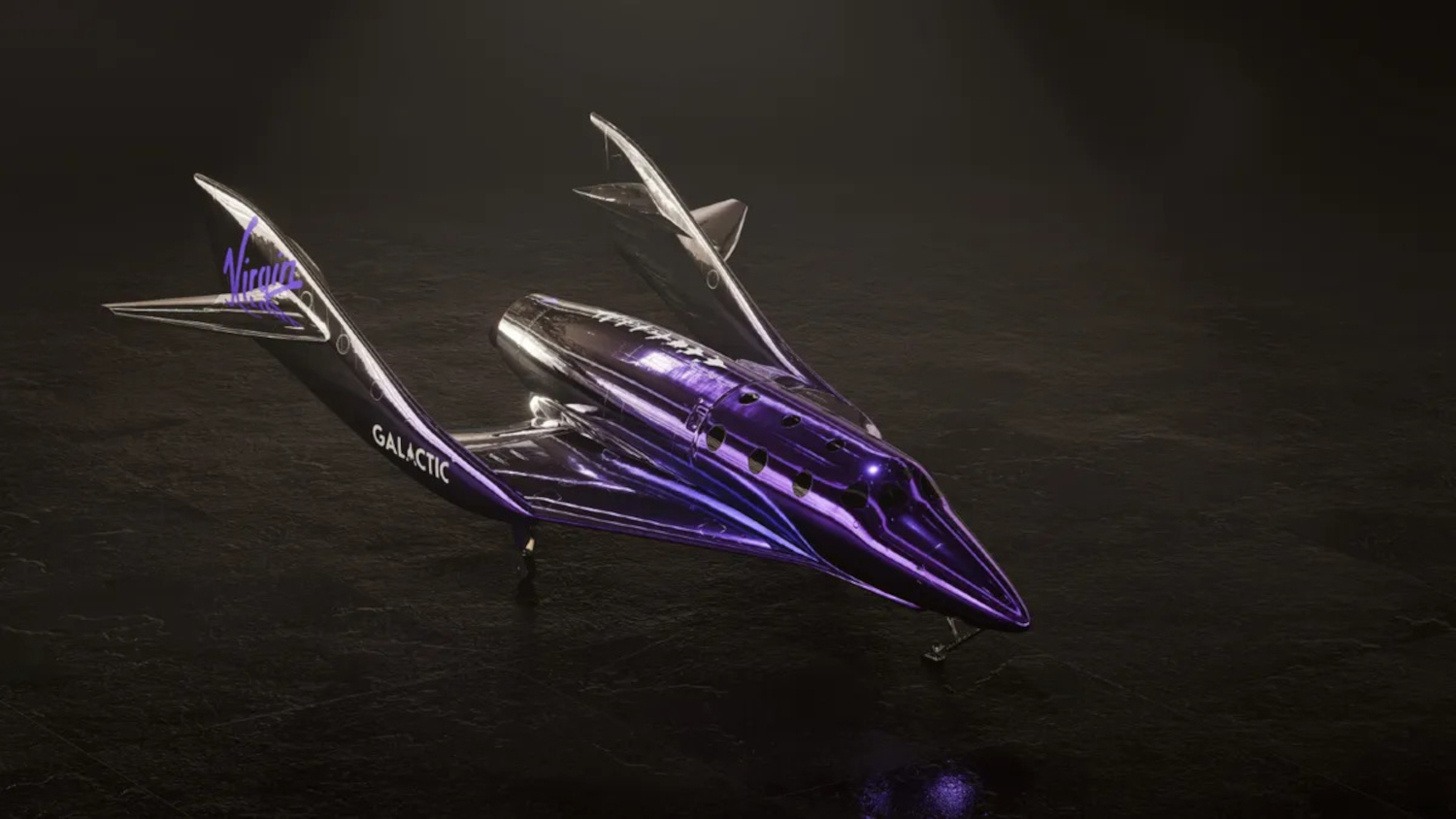
On October 28, 2026, Virgin Galactic unveiled Spaceship Apeiron, the first of its Delta-class vehicles, and transferred it from the company’s Mesa, Arizona, factory to Spaceport America in New Mexico to begin flight-test preparations. The move marks a shift from manufacturing to active flight program work.
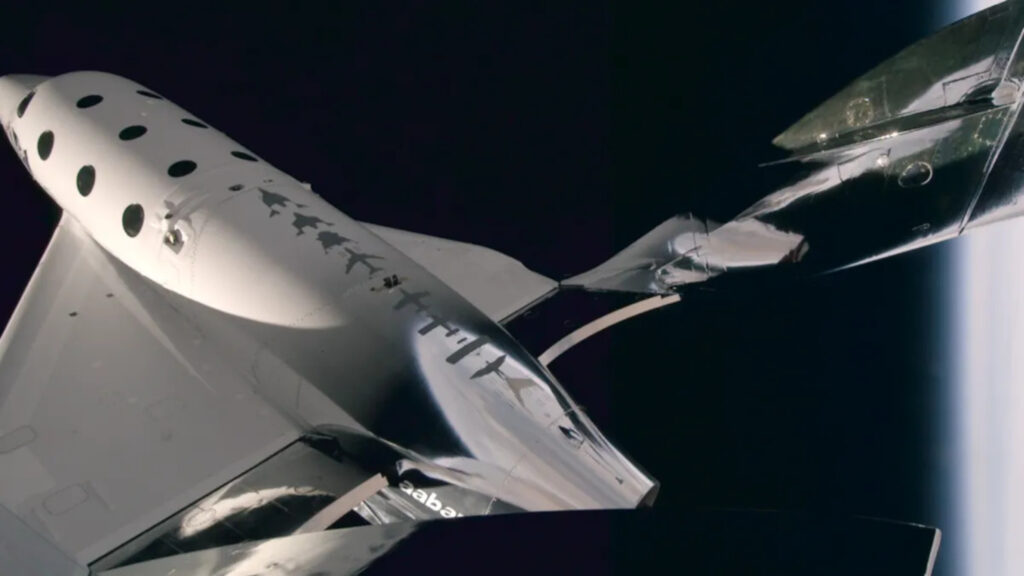
Apeiron is a suborbital spacecraft. Passengers travel above Earth’s atmosphere and experience a brief period of weightlessness, but the vehicle does not reach orbit. That distinction matters for understanding both what the Delta class offers and the engineering required to deliver it reliably.
What Delta Changes and What the Flight Program Involves
Apeiron carries more passengers and targets a higher flight cadence than its predecessor, but those gains still have to be proven in testing.
Delta is designed to carry up to six passengers per flight, two more than VSS Unity accommodated. Virgin Galactic says each Delta vehicle could complete as many as eight spaceflights per month, though that figure represents a design and operational goal, not a capability the company has yet demonstrated.
VSS Unity completed seven commercial missions after beginning passenger operations in June 2023, with its final flight on June 8, 2024. The company then suspended Unity’s commercial service and shifted its focus to the Delta fleet.
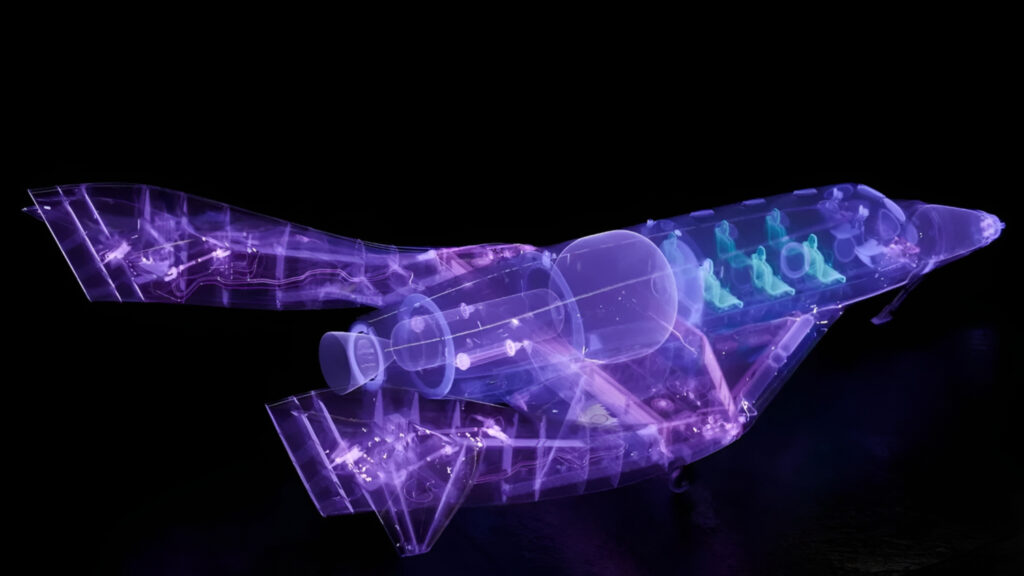
The arrival of our lead Spaceship at Spaceport America will be an enormous milestone in a years-long journey to build the world’s first human spaceship platform designed for regular commercial spaceflight.
Michael Colglazier, CEO, Virgin Galactic
The timeline for Apeiron has shifted more than once. Virgin Galactic now expects the first commercial spaceflight in early Q2 2027, while the second Delta vehicle is expected to enter commercial operations in late Q2 or early Q3 2027.
The original Delta development plan anticipated research flights in late 2025 and passenger service in 2026. Those targets slipped because of the time required to integrate and validate avionics software, according to the company.
What Still Has to Happen Before Anyone Buys a Ticket
Avionics validation, a series of flight tests, and regulatory certification all stand between Apeiron and its first paying passengers.
Before Apeiron carries any passengers, Virgin Galactic plans to complete avionics-software validation. That work is followed by captive-carry testing under the VMS Eve carrier aircraft, unpowered glide flights, and powered-flight testing.
With Apeiron at Spaceport America, the Mesa factory shifts its focus to completing the second Delta vehicle and preparing for rocket-engine assembly. More than 100 members of the company’s astronaut community have entered an initial readiness and preparation phase, with additional groups expected to follow. Specific certification dates for passenger operations were not provided in available sources.
The name Apeiron was chosen through a public vote drawing participants from 83 countries across six continents, according to Virgin Galactic. The next meaningful milestones are the completion of powered-flight testing and regulatory sign-off on passenger operations. Those steps, along with manufacturing progress, software readiness, and other operational factors, will be among the factors determining whether the 2027 commercial launch target holds and whether the Delta class can deliver the higher cadence Virgin Galactic is counting on to make suborbital tourism a repeatable business.