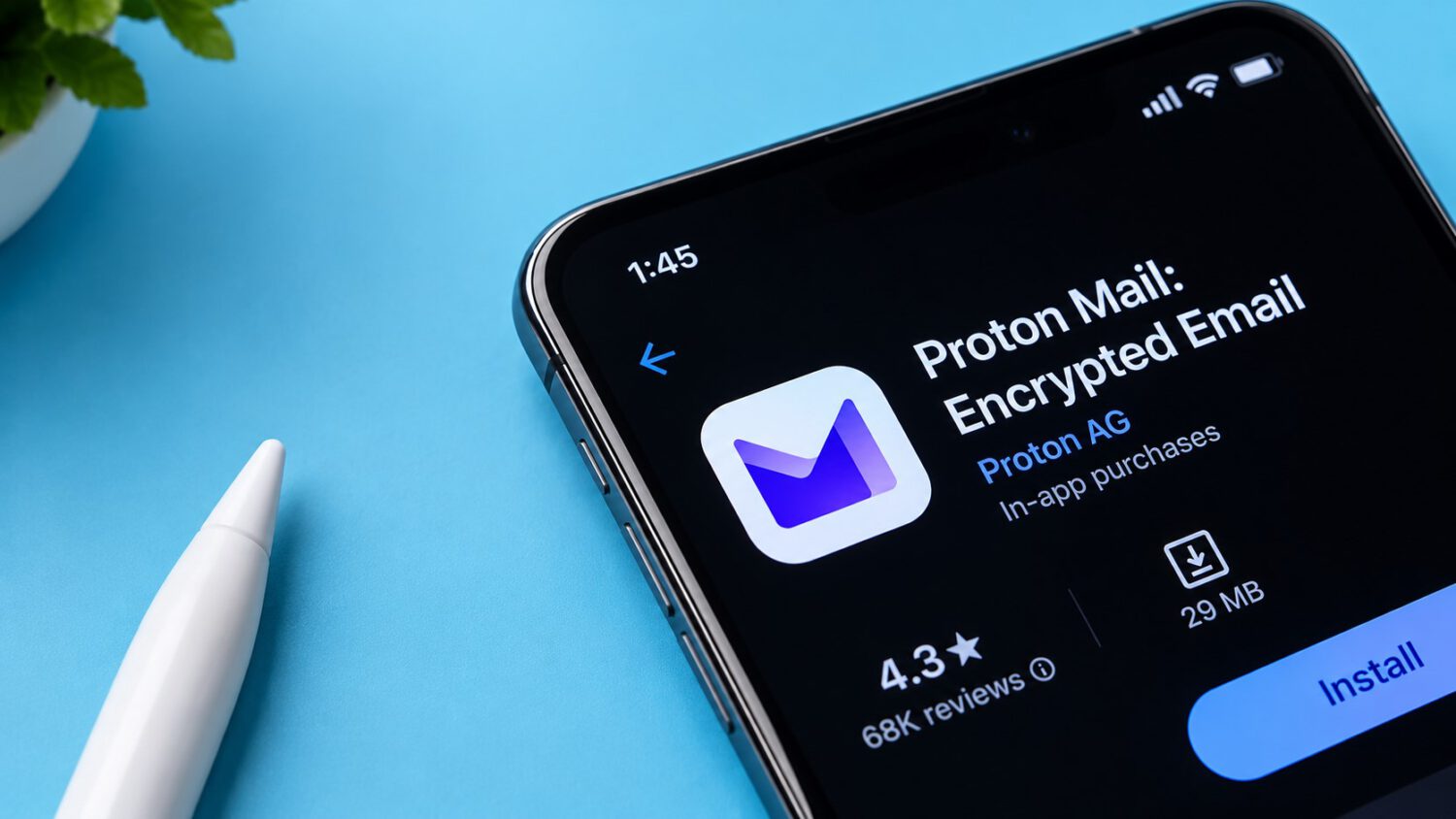
Proton has spent years positioning privacy as a right, not a product feature. According to an internal email obtained by 404 Media, the company is now re-interviewing selected employees on their AI use, with outcomes that could affect their roles, responsibilities, and continued employment.
This is not purely a Proton story. It is a preview of a conversation coming to workplaces across the industry.
“Consequential” Is Doing a Lot of Work Here
The reported email used a single word to set the stakes, and that word was not “optional.”
The reported email described the re-interviews using the word “consequential” to characterize what employees should expect. According to 404 Media, the process was scheduled to run from November 4 through November 11, though not every Proton employee was included.
Interviewers reportedly came from outside each employee’s direct team and reporting line. The reported email said they were drawn from a pool of leaders deemed capable in AI and aligned on assessment criteria. The stated goal was to identify people who could translate AI capabilities into better products, stronger execution, and new ways of working.
Andy Yen, Proton’s founder and CEO, reportedly conducted more than 40 interviews with senior leaders in Engineering and Product before the process expanded more broadly. The reported email acknowledged employee uncertainty and promised clarity on what had been decided and what remained open. Proton had not responded to 404 Media’s request for comment at the time of publication.
A Privacy Company With an Accountability Gap
Proton’s core business promise and its reported internal process are not obviously pointing in the same direction.
Here is where the story gets complicated. Proton markets Lumo for Business specifically on the premise that it does not retain chat logs or use conversations to train models. That is the product.
So when Proton reportedly asks employees to demonstrate how they use AI as a condition of continued employment, the obvious question is: which tools, exactly, and under what safeguards? The available reporting does not establish which AI products employees were expected to use during assessments. Nor does it address how confidential company information would be protected in the process.
That gap is not a minor procedural detail. For a company whose identity is built on data minimization, it is structural. It has the energy of a gym that sells memberships on the promise of no body shaming, then quietly posts a leaderboard of who showed up. The values and the mechanism are not obviously in conflict until you look at them together.
The reporting does not assert that any privacy violations occurred. But the absence of transparency around the assessment process is precisely the kind of thing Proton has built its brand criticizing in others.
What the Industry Keeps Getting Wrong
AI fluency is becoming an employment condition before most companies have defined what that actually means.
Proton is not alone in this. Across the technology sector, AI fluency is quietly shifting from an optional productivity skill toward an implicit employment criterion. That shift is happening faster than companies are defining what it actually means.
Requiring employees to use AI without specifying which tools are sanctioned or what genuine competence looks like is not a talent strategy. It is a vibe check with real consequences. It mirrors the early days of digital transformation, when companies demanded cloud fluency without offering training, clear expectations, or any acknowledgment that the tools themselves were still being figured out. The outcome was predictable: expensive consultants, confused employees, and tools nobody fully understood.
Companies that want to integrate AI responsibly into workforce evaluation need to be specific about what AI competence actually means for each role, not in the abstract but concretely. They need to identify which tools are sanctioned for use with sensitive information and explain the reasoning. They also need to document the assessment process in a way that protects both employees and confidential data. That is not a high bar; it is the minimum.
The Question Every Proton Customer Should Be Asking
How Proton resolves this tension will reveal whether its privacy commitments are structural or simply good marketing.
Proton built its reputation on making promises other technology companies avoid. How it handles the gap between internal AI adoption pressure and its own stated privacy values will say something concrete about whether those promises hold when they become inconvenient. Employees navigating similar pressures at other companies should be watching closely, because whatever Proton works out here is almost certainly coming to their performance review next.