Forty billion dollars is not a rounding error. SpaceX has entered a binding commitment with an entity managed by Apollo Global Management for approximately $40 billion in GPU and data-center equipment financing, which SpaceX and Apollo describe as the largest committed GPU financing transaction. The deal reflects a broader shift in how AI infrastructure capital is moving: toward operators with diversified, creditworthy revenue and, analysts suggest, away from companies that depend almost entirely on GPU rental.
How the Financing Actually Works
An Apollo-managed entity will purchase the hardware and lease it back to SpaceX over roughly five years, with quarterly payments totaling approximately $40 billion in aggregate principal.
Rather than purchasing hardware outright, SpaceX will rely on an Apollo-managed entity to acquire the GPUs and data-center equipment. That entity then leases the hardware back to SpaceX under a master finance lease structure. Individual lease terms run approximately five to five-and-a-quarter years, with quarterly payments totaling roughly $40 billion in aggregate principal, excluding interest and other expenses, according to regulatory filing reporting by Morningstar and Dow Jones.
Equipment will arrive in tranches, with deliveries and lease commencements expected in the first half of 2027. The transaction itself is expected to close before the end of 2026, subject to closing conditions. The structure allows SpaceX to add computing capacity while diversifying its funding sources rather than relying solely on a single form of debt or an upfront hardware purchase.
Apollo and Goldman Sachs led the financing effort. Funds or accounts managed by BlackRock, Goldman Sachs Asset Management, and KKR made anchor commitments, according to the Apollo announcement. The participation of that syndicate indicates sustained institutional interest in large-scale AI infrastructure as a private-credit asset class.
Nvidia’s Vera Rubin and What the Hardware Will Power
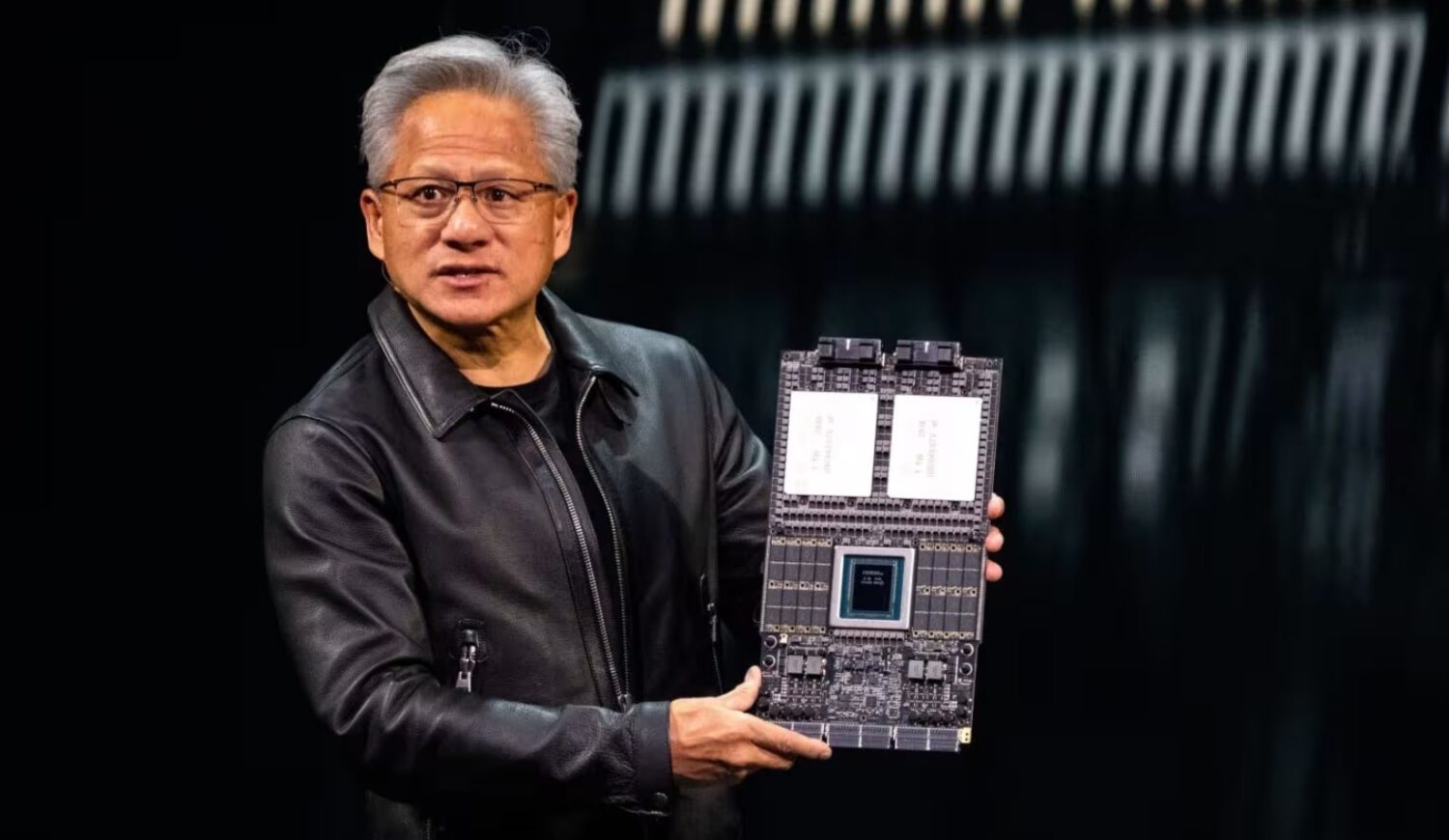
Apollo confirmed the financing will support Nvidia’s next-generation Vera Rubin chips, targeted at Grok, enterprise AI services, and SpaceX’s cloud customers.
Apollo confirmed the financing will support Nvidia’s next-generation Vera Rubin chips for SpaceX’s terrestrial compute expansion. The hardware is intended to run Grok, AI services for enterprise and consumer users, and SpaceX’s existing and future cloud customers, according to reporting by Yahoo Finance citing the Apollo announcement. A $40 billion committed deployment channel may provide Nvidia with meaningful demand visibility for hardware that has not yet shipped at scale, though the ultimate commercial impact depends on delivery speed, utilization, and customer demand.
SpaceX CFO Bret Johnsen said the company is seeing payback periods of less than one year on some AI-infrastructure investments as its computing capacity scales, according to TechCrunch. That is a company statement and has not been independently verified. It should be read as SpaceX’s internal performance framing rather than a confirmed industry benchmark.
What This Means for Neocloud Competitors
SpaceX’s revenue from Starlink and rocket launches gives it a financing profile that companies built entirely around GPU rental have found difficult to replicate in the current credit environment.
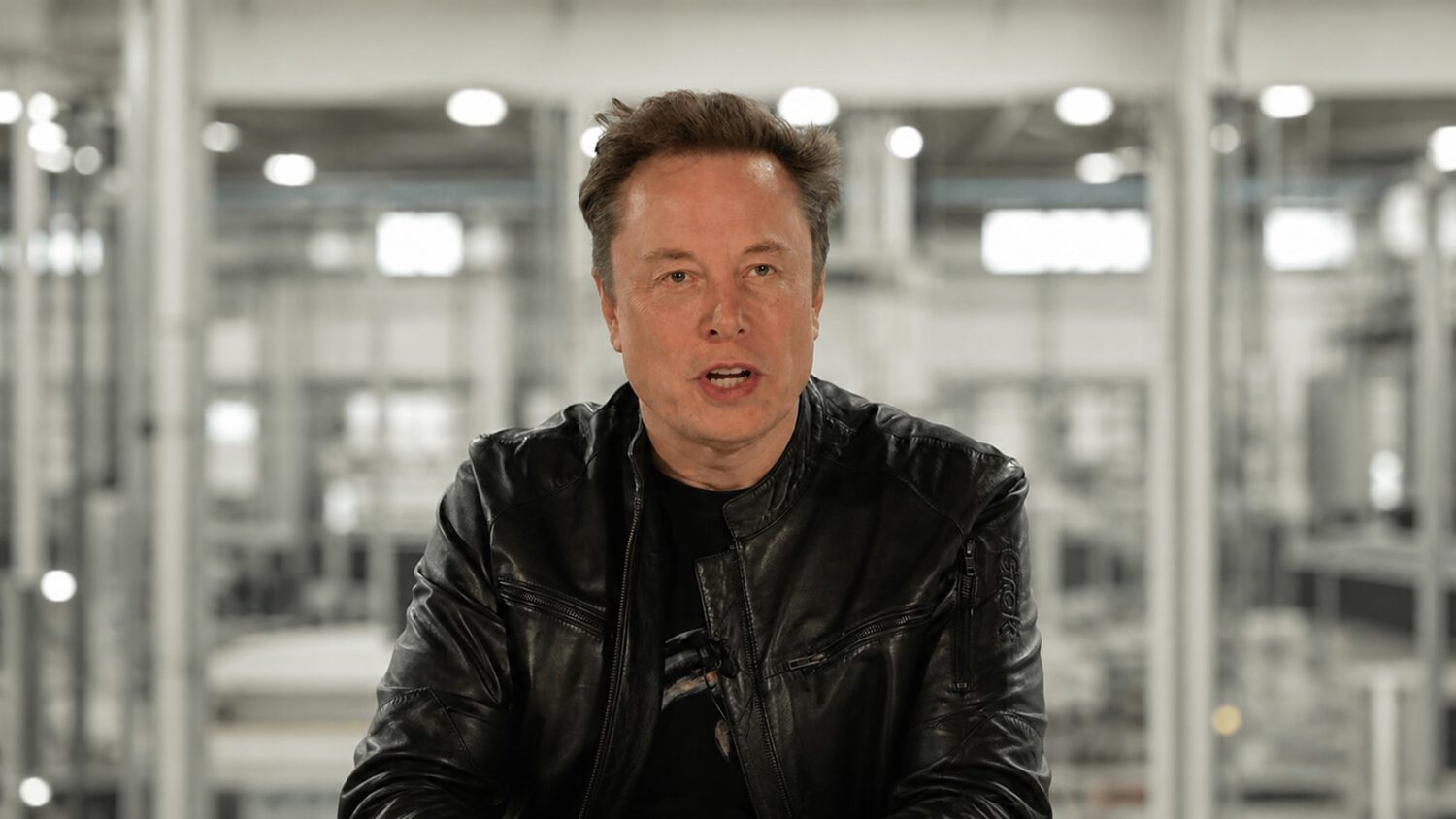
SpaceX’s case for its financing advantage rests on its business mix: revenue from Starlink subscriptions and rocket launch operations is independent of AI data center performance. Elon Musk argued, as reported by CNBC, that debt markets have largely closed access to companies without substantial revenue outside AI data centers. He also predicted “guppy-level death and consolidation” among more than 200 neocloud companies, though that is his competitive assessment as the chief executive of a direct market entrant, not an independently confirmed forecast.
Specialized neocloud providers may still compete through operational expertise, existing customer relationships, and geographic reach in markets where larger players have not yet moved. Investors, however, are applying more scrutiny to pure-play GPU rental models. High borrowing costs, heavy capital requirements, expensive Nvidia hardware, and uncertain utilization rates have made the category a more complicated pitch than it was two years ago.
The dynamic carries echoes of the streaming wars, when undercapitalized platforms found that subscriber growth meant little without the balance sheet to outlast a prolonged price war. Access to capital has become as consequential as access to chips.
Execution Is Everything From Here
The binding commitment establishes scale and intent; what follows depends on how quickly SpaceX can bring the hardware online and generate returns against a five-year lease clock.
The $40 billion commitment represents a binding financing arrangement, not completed funding: the transaction remained subject to closing conditions as of the announcement. What determines whether the deal justifies its scale is execution, specifically delivery speed, hardware utilization, the pace of AI and cloud revenue growth, and whether SpaceX can manage lease obligations as GPU generations continue to evolve. Equipment lease financing at this scale could become a template for other large AI infrastructure operators, but only if the installed capacity generates the returns that make the payment schedule sustainable.