Elon Musk acknowledged this week that SpaceX imposed the speed restrictions on Ukraine’s Starlink service. Responsibility for the Starshield restrictions remained contested, with Reuters reporting that its own reporting pointed to a White House order on that system, a dynamic that echoes recent concerns about surveillance app oversight and accountability.
What SpaceX Did and Why
The restriction cut reliable connectivity for rapidly moving military equipment for more than a week before Ukraine confirmed service had returned.
Ukraine’s Defense Ministry reported stable connectivity at speeds exceeding 400 km/h after the restoration, according to Reuters. The earlier restriction had affected equipment traveling above approximately 160 km/h, disrupting drones and other rapidly moving systems that Ukrainian forces rely on for frontline operations, not unlike the challenge posed by hypersonic missiles to existing defense infrastructure.
Musk offered his explanation on X after Ukraine confirmed service had returned. According to CNBC, he wrote: “Ukraine military violated Starlink terms of service and used it for offensive drone strikes to kill people. That loophole was closed last week.”
Musk said Starlink, a civilian commercial service, was never intended for offensive military use. That accusation is a verified account of what Musk said; Ukrainian officials disputed it and argued that technical restrictions made such use impossible.
The Accountability Problem
Musk’s prior statements about who controls Starshield sit in direct tension with his post-restoration explanation, and that tension has no clean resolution.
Musk had previously stated that Starshield systems were owned and controlled by the U.S. government. According to BBC reporting, he said usage decisions ultimately rested with the U.S. military and the president.
His post-restoration statement attributing the Starlink restriction to SpaceX’s enforcement of its own terms creates apparent tension with that earlier framing. AP reported that Musk acknowledged SpaceX throttled Starlink while maintaining that the U.S. government controlled changes involving Starshield, leaving authority over the two systems disputed rather than resolved.
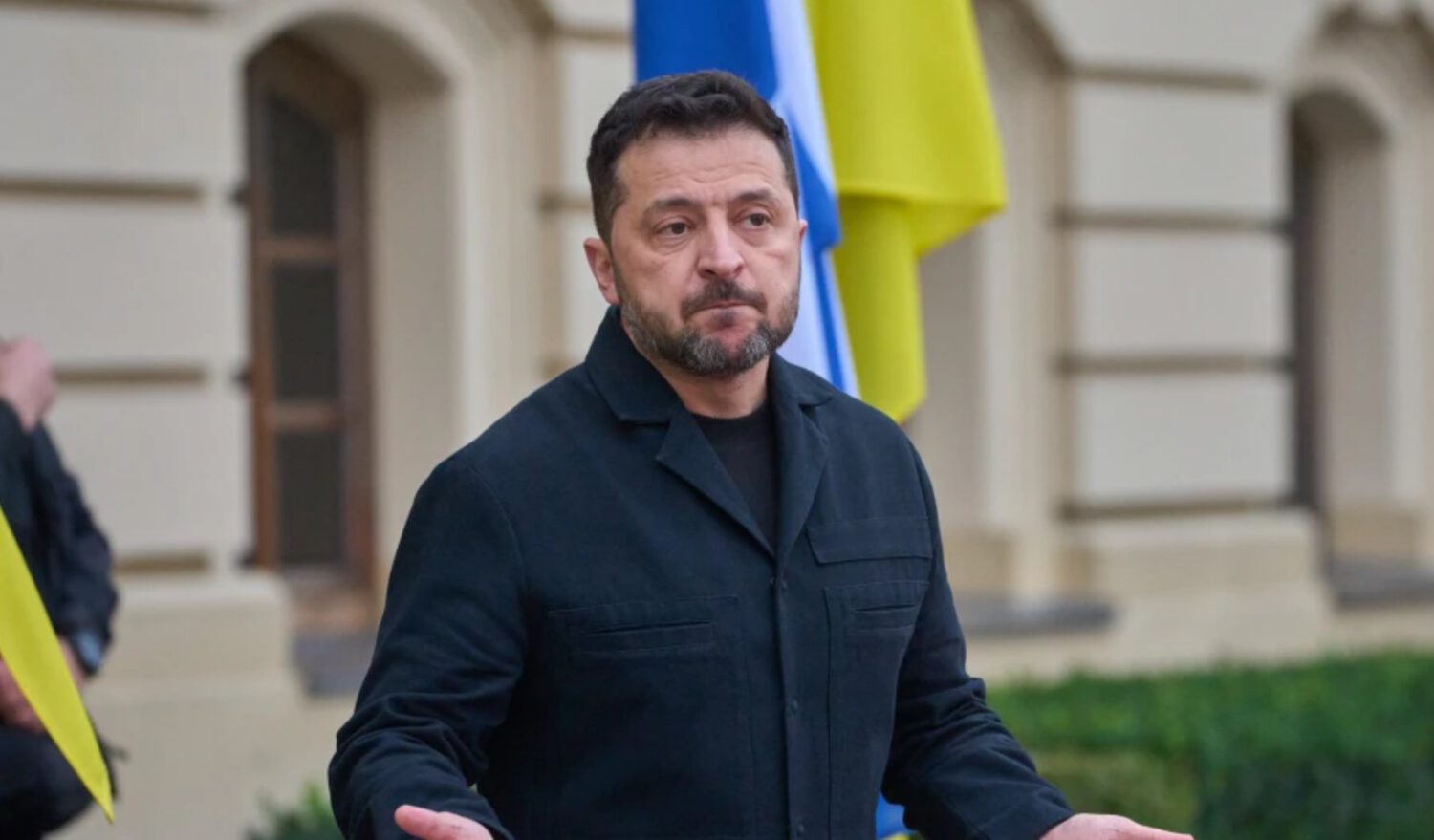
Ukrainian officials said the restrictions created frontline vulnerabilities during the outage. President Volodymyr Zelenskyy confirmed the restoration publicly, saying, “The most important thing today is that Starlink and Starshield operations have been restored to the speeds we had before the restrictions,” according to NPR.
The resolution was not clean. Some Ukrainian officials reported that limits persisted on certain systems even after public assurances of a full restoration, per Reuters.
What Comes Next
The operational disruption has eased, but the structural questions it exposed remain open.
Ukraine reported that service has been restored, though Reuters noted that the Defense Ministry did not confirm whether recovery was complete across all systems. The deeper problem, who holds authority over commercially owned satellite networks when they become wartime infrastructure, remains unresolved.
This episode is likely to intensify pressure on governments to seek alternative satellite communications providers. It will also drive demand for formal contractual guarantees that define who can impose restrictions, under what conditions, and with what notice. For any military or government health, financial, and legal data stewardship evaluation of commercial satellite infrastructure, the distinction between civilian Starlink and military Starshield now needs to be something enforceable on paper, not just a description in a press release.