Quantum computing breakthroughs, clean energy innovations, advanced robotics, and next-generation electronics are redefining how we live and work. The real story lies in inventions promising concrete, tangible impact beyond press release fluff. These innovations separate genuine progress from marketing hype, delivering transformations across industries that matter. From room-temperature quantum switches to fusion reactors and autonomous household robots, the future arrives faster than anyone expected. Here are fifteen breakthrough technologies reshaping tomorrow.
15. Cisco Universal Quantum Switch
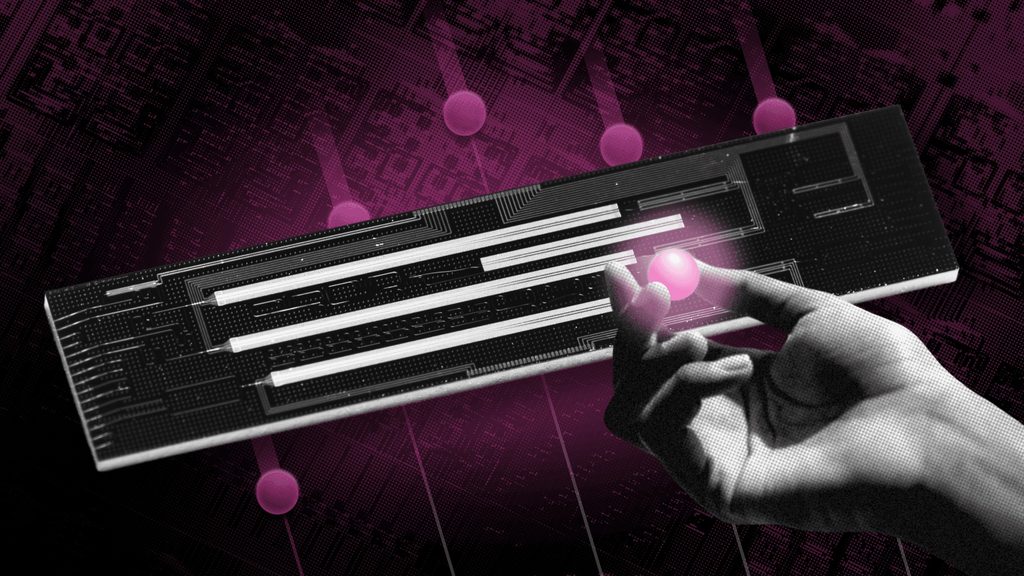
Quantum systems finally speak the same language.
Quantum computing’s greatest challenge lies in getting disparate systems to communicate. The Cisco Universal Quantum Switch bridges quantum computers across varying hardware modalities, routing quantum information while preserving its delicate state. Operating at room temperature over standard telecom fiber, this prototype provides essential interoperability for quantum data.
When researchers combine data from a trapped-ion system and a superconducting qubit, incompatible hardware creates headaches. This switch addresses the problem by supporting multiple quantum encoding methods: polarization, time-bin, frequency-bin, and path encoding. Cisco reported an average quantum-state fidelity penalty of 4% or less in prototype testing with polarization encoding. Additional modalities remain under validation. This interoperability will accelerate complex scientific breakthroughs.
14. Amaze 360° Dome

Step inside the story instead of watching it.
The moment visitors step inside, the entire environment envelops them. The Amaze 360° Dome uses panoramic visuals and spatial audio to create immersive experiences. A museum visitor experiences ancient Rome by feeling the Colosseum’s scale or floats through the cosmos. This transforms passive viewing into a deeply personal, emotionally resonant journey, making distant concepts feel immediate.
This adaptable dome redefines visual storytelling across entertainment, education, exhibitions, live events, museums, corporate showcases, and public attractions. Unlike a traditional flat screen that maintains separation, this technology pulls audiences into the narrative. It sets a new standard for consuming and interacting with digital content across multiple venues and applications.
13. ASML Holistic Lithography
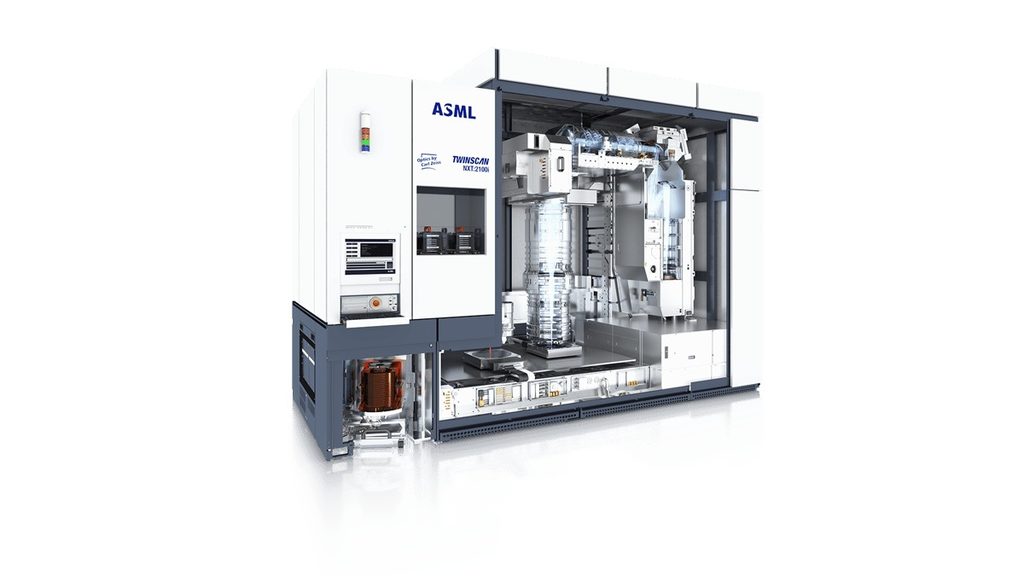
Precision manufacturing at the atomic scale.
Manufacturing a single advanced microchip demands extreme precision across hundreds of intricate steps. ASML Holistic Lithography integrates computational lithography, metrology, inspection, and process-control software. This system improves patterning accuracy and manufacturing yield for advanced EUV and high-NA EUV lithography. Every chip, from smartphones to supercomputers, requires Swiss-watch precision.
Detecting subtle deviations in a lithography run, engineers utilize real-time measurement and modeling feedback to correct process variations before defects escalate. This continuous feedback loop prevents errors during production. The approach enables mass production of faster, smaller, and more powerful semiconductors, ensuring groundbreaking chips avoid becoming expensive paperweights.
12. Commonwealth Fusion Systems SPARC
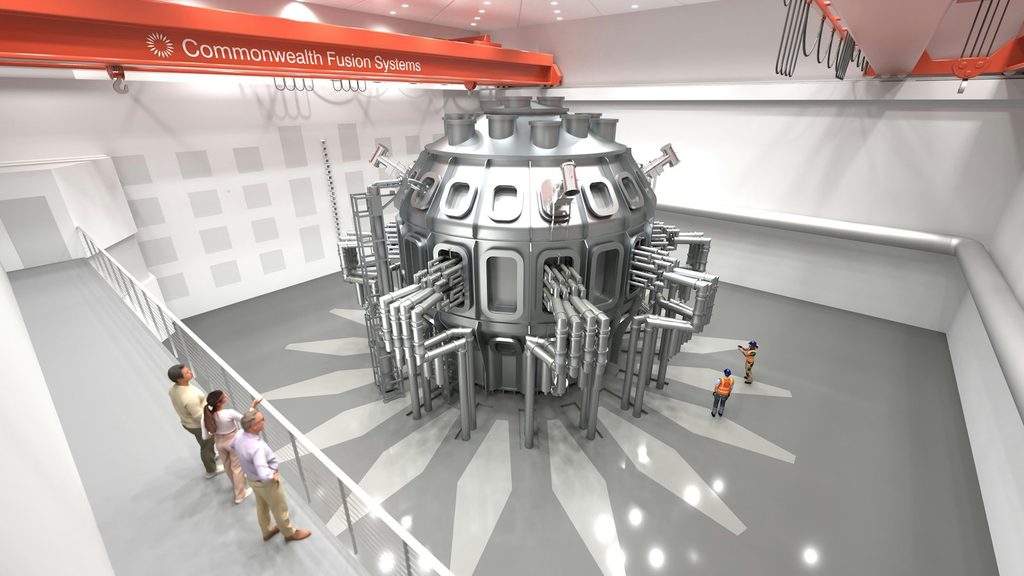
Net fusion energy moves from theory to demonstration.
Within the next decade, fusion energy could transform the global power grid with clean, zero-carbon electricity. The Commonwealth Fusion Systems SPARC experiment, developed with MIT-related technology, represents a critical step toward this future. This compact tokamak fusion device uses high-temperature superconducting magnets to generate strong magnetic fields, containing superheated plasma.
SPARC is designed to demonstrate net fusion energy, producing more power than it consumes. This milestone rivals any technological breakthrough of the past century. The planned ARC power plant aims to build on SPARC’s results for commercial, zero-carbon electricity generation. If ARC delivers, it will serve as a foundational pillar for global sustainable energy, offering a power source free from dependence on diminishing resources.
11. Shield AI X-BAT

Autonomous aircraft that needs neither runways nor constant oversight.
Traditional combat aircraft demand fixed runways and constant human oversight, a rigidity ill-suited for dynamic conflicts. The Shield AI X-BAT combines vertical takeoff and landing with long-range performance, creating an autonomous, runway-independent aircraft for modern battlefields. It is intended for reconnaissance, air-to-air operations, precision strike, and electronic warfare missions.
The X-BAT is designed to operate in GPS-denied or communications-disrupted environments through Shield AI’s Hivemind autonomy system. Consider missions requiring navigation through hostile airspace, target identification, and intelligence delivery where human crews cannot safely venture. This adaptability could reshape future military aviation, provided the platform meets its operational objectives.
10. Ultra Safe Nuclear Critical Test Reactor
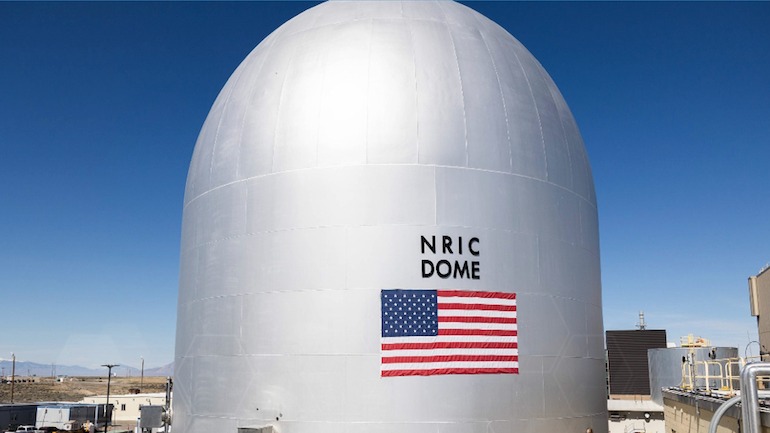
Testing reactor physics without generating power.
Validation for advanced nuclear reactor design demands scrutiny that makes software beta testing seem trivial. The Ultra Safe Nuclear Critical Test Reactor is a zero-power research system intended to validate reactor physics, neutron behavior, fuel performance, and control systems. It functions as a high-stakes testing facility rather than a power plant.
Engineers use this facility to methodically test components, minimizing technical risks for compact advanced reactor designs. The goal is reliable carbon-free power and modular deployment. This reactor accelerates the safe development of future nuclear energy, addressing potential issues during research rather than after deployment.
9. Intel Panther Lake Processors

Local AI processing without cloud dependence.
The demand for local AI processing on everyday devices has shifted from niche feature to core expectation. Intel’s Panther Lake processor family, manufactured using the company’s 18A process, is designed to reduce reliance on cloud computing for intense creative workflows. This platform combines CPU cores, integrated Intel Arc graphics, and a neural processing unit for local AI workloads.
This architecture means tackling AI-powered video editing or image generation directly on a PC with improved speed and power efficiency, eliminating waits for remote server processing. The days of machines chugging along when applying AI filters could end; Panther Lake transforms devices into local AI platforms. This represents a step toward autonomous personal computing, handling complex tasks internally rather than depending on distant data centers.
8. CATL NaXtra Sodium-Ion Battery
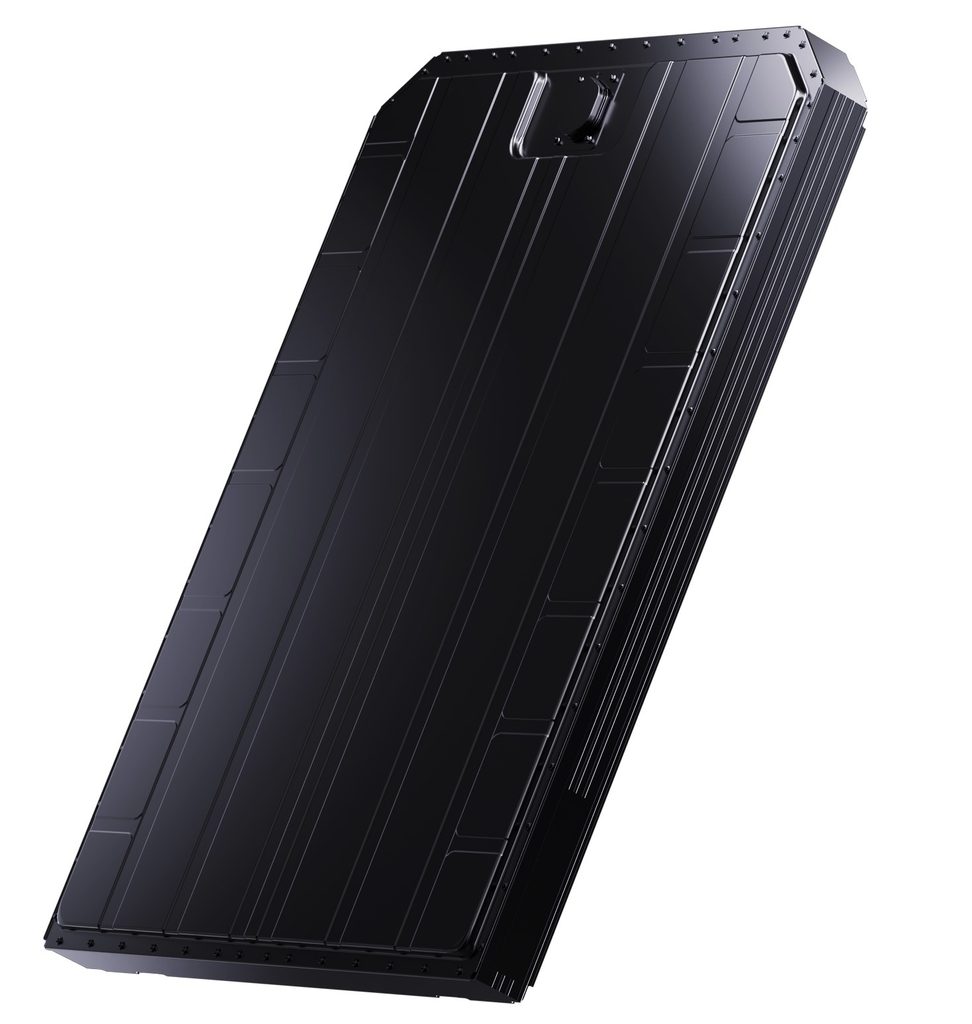
Sodium chemistry diversifies battery supply chains.
The global supply chain for battery raw materials often becomes a choke point, with critical resources growing scarce. CATL’s NaXtra sodium-ion battery platform uses sodium instead of lithium as its primary chemistry. This shift provides improved raw-material availability, potentially reducing exposure to market volatility that can disrupt EV production.
For electric vehicles and heavy-duty commercial trucks, maintaining performance in cold weather is vital. CATL positions sodium-ion batteries as an option for improved cold-weather operation compared to some traditional batteries. This technology diversifies energy storage solutions and reduces reliance on a single resource, supporting applications from passenger vehicles to commercial transportation.
7. Brainnoom Wearable
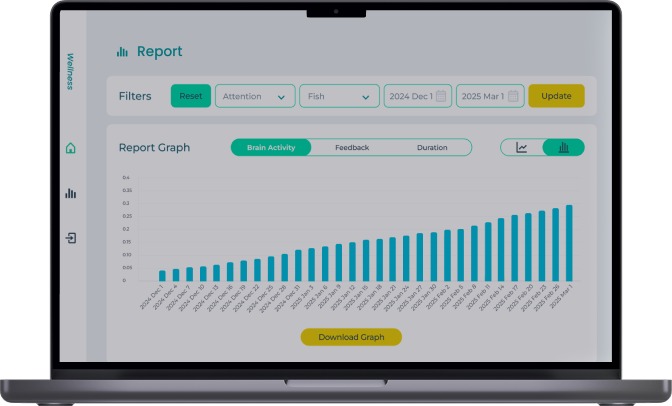
Near-infrared light for home wellness routines.
Waking up with a cluttered mind can drag down an entire day. The Brainnoom Wearable offers a straightforward approach to mental clarity. Users can integrate a session at home, perhaps while brewing morning coffee or winding down after a long day. This consumer wellness device uses transcranial photobiomodulation, delivering near-infrared light at approximately 810 nanometers.
The device is positioned purely as a wellness tool rather than an established medical treatment, aiming to support personal well-being in a user-friendly package. Sessions target focus, relaxation, mental clarity, and sleep routines through short at-home use. As with any wellness technology, expectations should remain grounded in its marketed purpose rather than clinical claims.
6. NVIDIA DSX
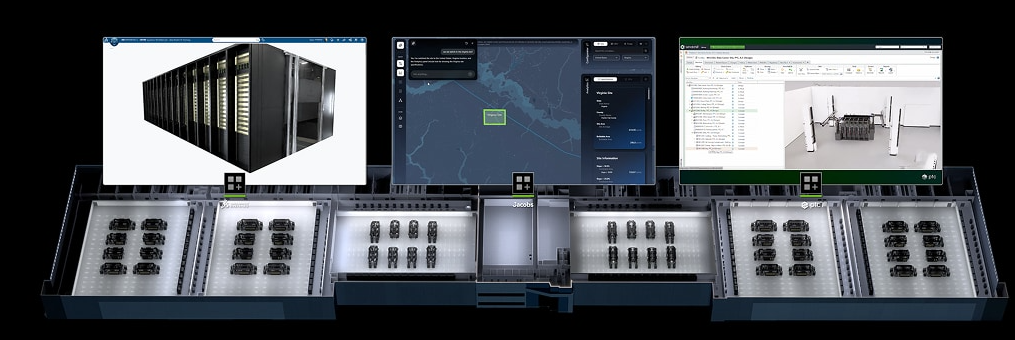
Integrated AI infrastructure from chip to facility.
The sheer scale of modern AI infrastructure leaves organizations scrambling to piece together disparate hardware and software into functional data centers. NVIDIA DSX resolves this by providing an integrated reference platform for designing and operating AI factories. It unifies accelerated computing, high-speed networking, specialized software, efficient cooling, reliable power, and complete facility infrastructure.
Organizations can leverage DSX’s digital-twin capabilities to model and optimize new data-center designs, identifying performance bottlenecks and cooling needs before construction begins. This comprehensive approach accelerates development and deployment, turning complex AI visions into operational reality with streamlined efficiency. The platform aims to eliminate guesswork from large-scale AI infrastructure planning.
5. Proxima Fusion Stellarator Program
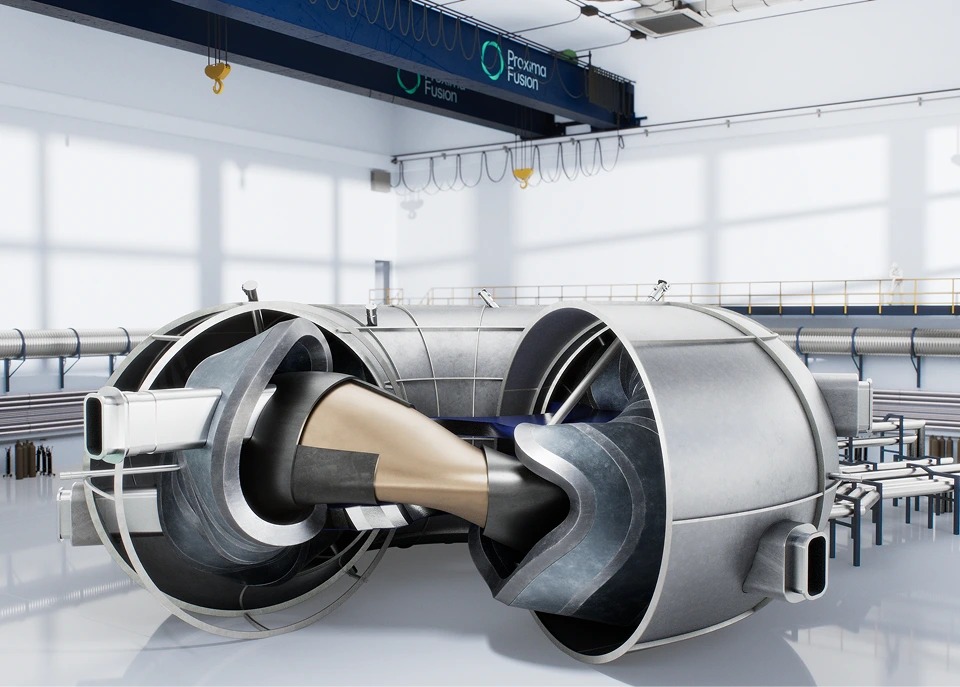
Complex magnetic fields for stable fusion plasma.
Humanity’s quest for limitless, clean energy remains elusive. Proxima Fusion tackles this challenge with stellarator-based fusion systems. Unlike tokamaks, which rely on precise pulsed currents, stellarators employ complex external coils to create stable, intricate magnetic fields. This engineering approach addresses plasma stability, a critical challenge in fusion designs.
Heating plasma to extreme temperatures for fusion demands serious energy input. Proxima Fusion’s approach uses high-power microwave technology, specifically gyrotrons, to transfer electromagnetic energy into the plasma. This process helps sustain conditions required for fusion reactions. The comprehensive approach combines plasma engineering, advanced superconducting magnets, and computational design in pursuit of future demonstration and commercial fusion reactors.
4. Quantinuum H-Series / Helios
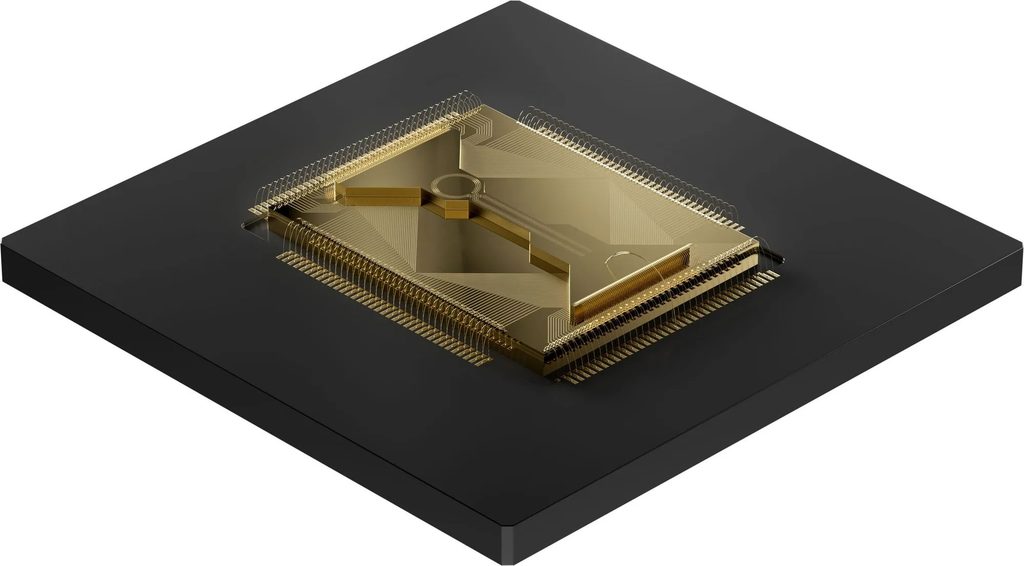
Trapped-ion quantum computing meets practical applications.
How do theoretical quantum breakthroughs become practical, industry-grade tools? Quantinuum’s H-Series utilizes trapped-ion quantum computing with fully connected qubits for flexible operations. The platform integrates quantum processors with classical computing and specialized software tools, enabling hybrid applications. This provides comprehensive capabilities for quantum problem-solving.
This integration could allow pharmaceutical researchers to conduct complex simulations with improved accuracy, reliability, and scalability. Cloud and on-premises deployment options are part of the platform’s design. Quantinuum aims to move quantum computing from esoteric research into practical, industry-advancing applications, though specific system configurations and demonstrated capabilities require verification against current product specifications.
3. NVIDIA Blackwell GB200 NVL72
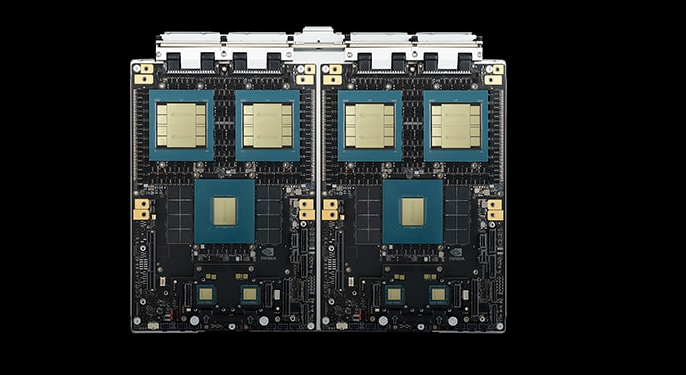
Rack-scale AI system with 72-GPU processing power.
Massive AI models demand unprecedented computational power to train and deploy effectively. The NVIDIA Blackwell GB200 NVL72 is a rack-scale AI system designed for workloads requiring extreme performance. This liquid-cooled configuration combines 36 Grace CPUs and 72 Blackwell GPUs. These GPUs form a 72-GPU NVLink domain, delivering high-bandwidth, low-latency communication.
This unified processing system handles large-scale generative-AI training and inference, scientific computing, and high-performance computing tasks. Building the next generation of AI applications, whether advanced chatbots, climate simulations, or drug discovery platforms, requires raw computational horsepower. The Blackwell GB200 NVL72 provides the foundational infrastructure for AI innovation at scale.
2. EcoFlow DELTA Pro 3
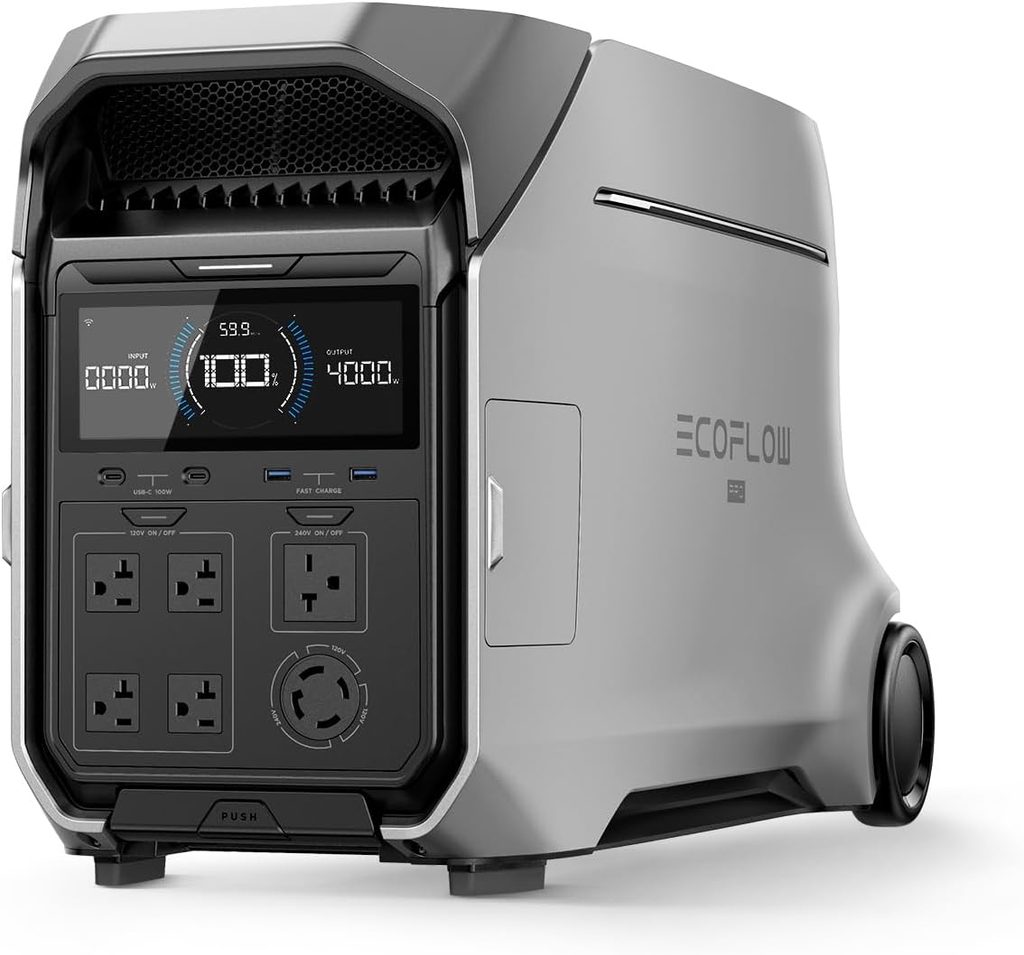
Portable power for backup, outdoor, and emergency use.
A sudden blackout during critical work feels like losing internet connection mid-task. For those needing constant power, losing electricity means full stop. The EcoFlow DELTA Pro 3 portable power station is designed for home backup, outdoor use, emergency needs, and professional worksites. Its lithium iron phosphate battery chemistry provides reliable, long-term power when the grid fails or off-grid operation is required.
This system charges via AC, solar, vehicles, or generators, adapting to most scenarios. Expandable storage allows building larger capacity as needed. Quiet operation ensures peaceful off-grid environments, unlike roaring gas generators. Mobile-app monitoring tracks power levels remotely, granting energy independence without constant manual checks.
1. Weave Robotics Isaac 1

Household automation for laundry, tidying, and bed-making.
The endless grind of household chores feels like an inescapable loop. Weave Robotics aims to disrupt this cycle with Isaac 1, a household robot designed for repetitive tasks. This machine handles laundry collection and folding, returning items, bed-making, and straightening blankets and pillows. Operating with autonomous navigation and remote assistance for difficult situations, it tackles chores systematically.
Coming home after a workday to find abandoned laundry neatly folded and stacked changes the domestic routine. The Isaac 1’s soft exterior and adjustable body positioning allow delicate maneuvering through homes. With wireless connectivity and regular software updates, this robot evolves over time. For those wishing for extra hands around the house, Isaac 1 transforms constant domestic upkeep into an afterthought.